
Last updated November 15, 2026
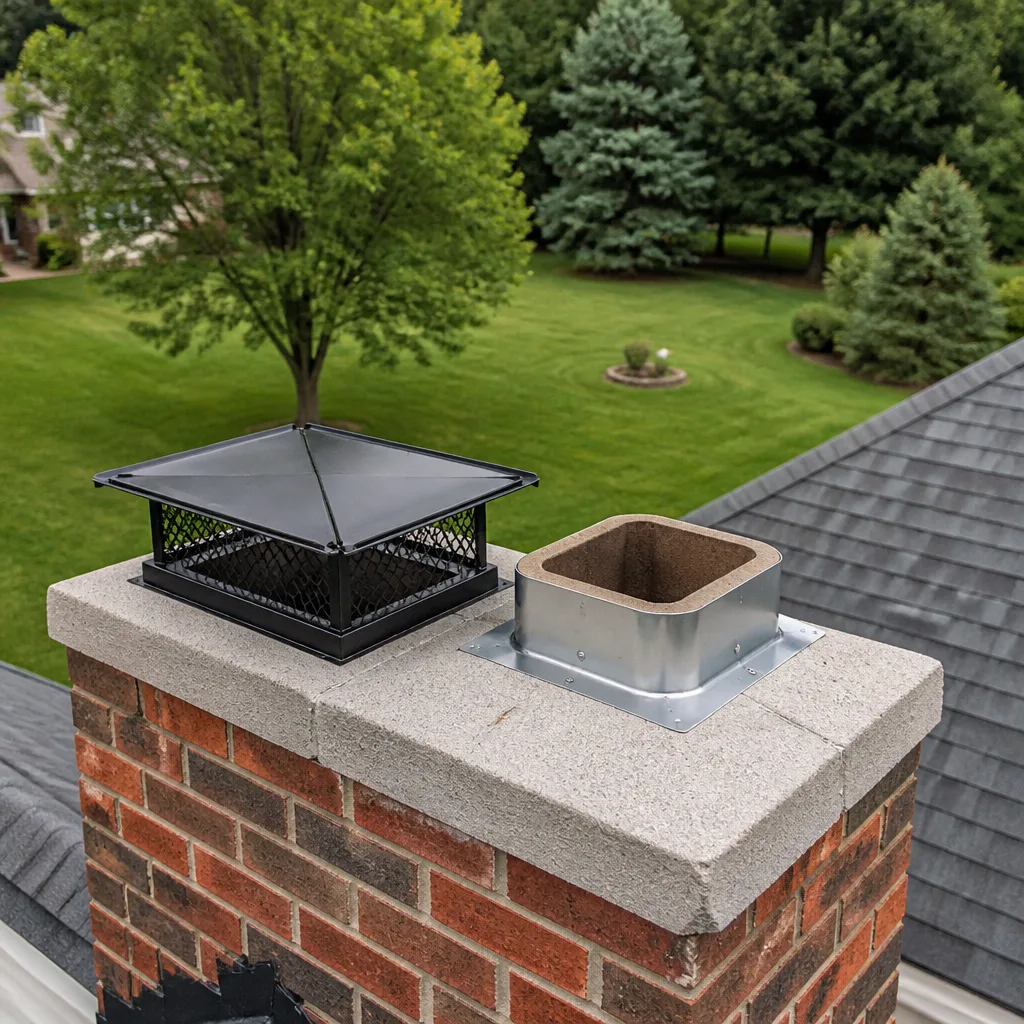 Sweep & inspection
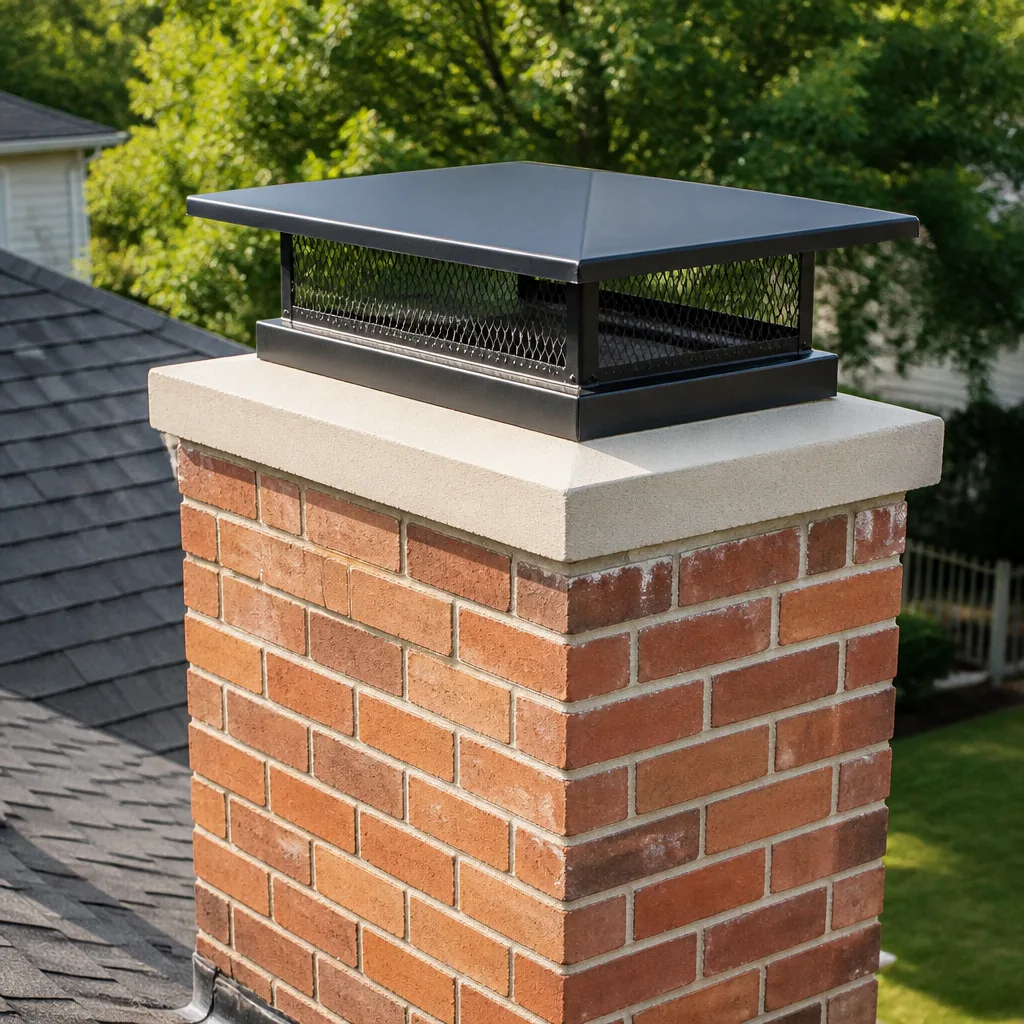 Caps & crowns
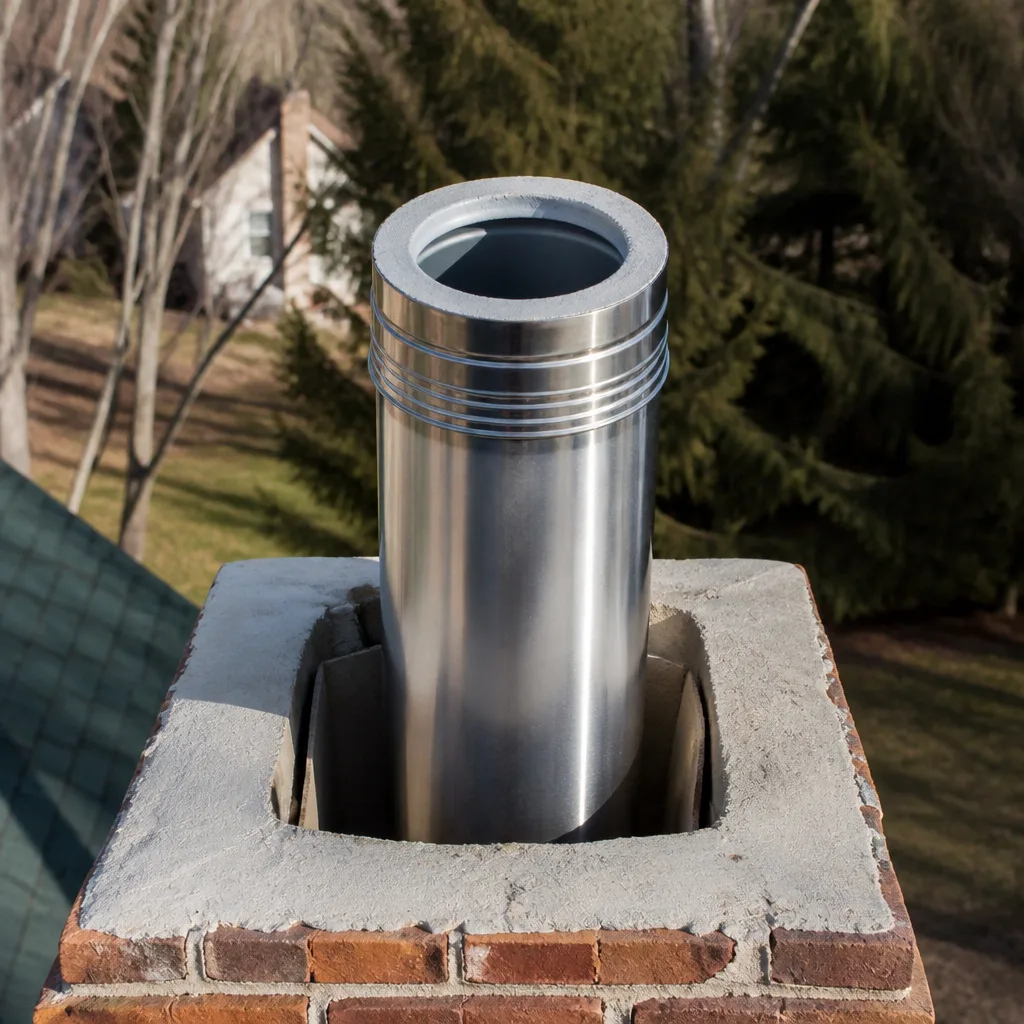 Flue relining
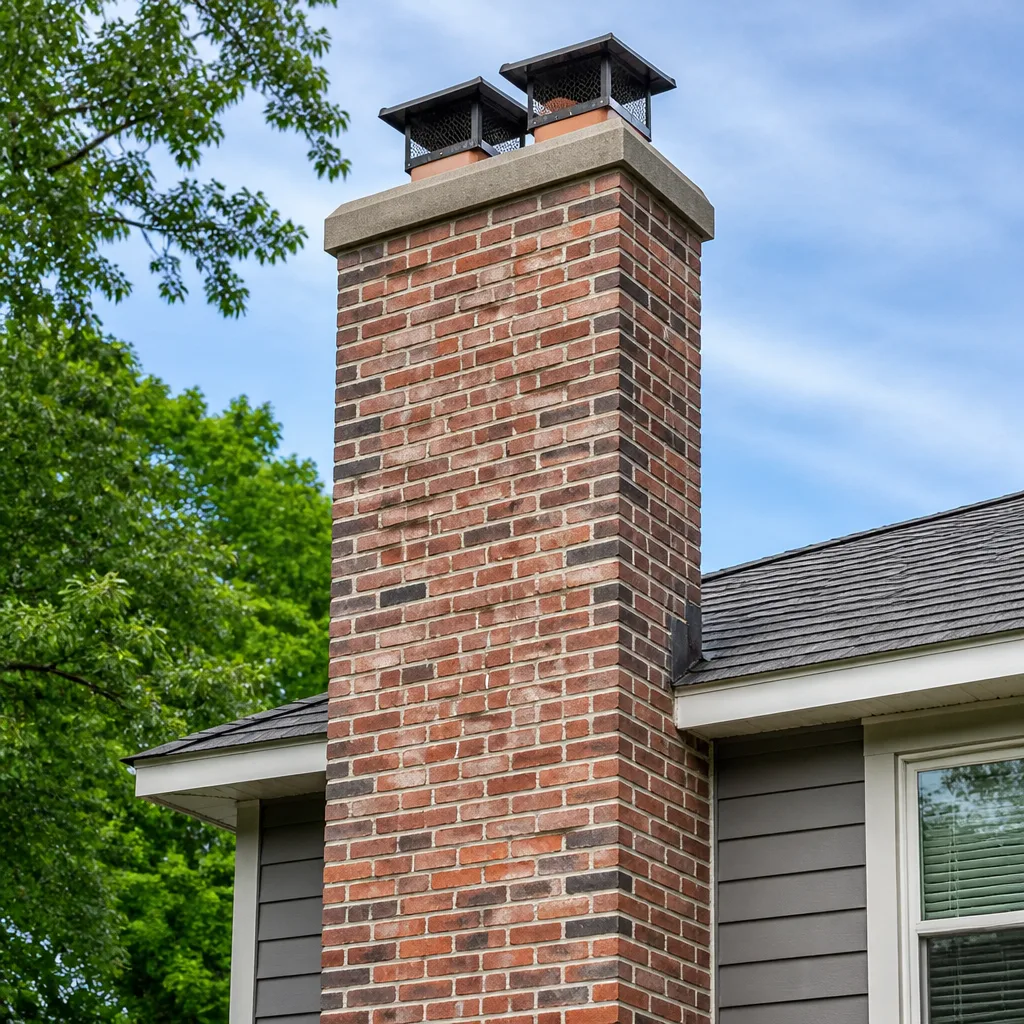 Masonry repair
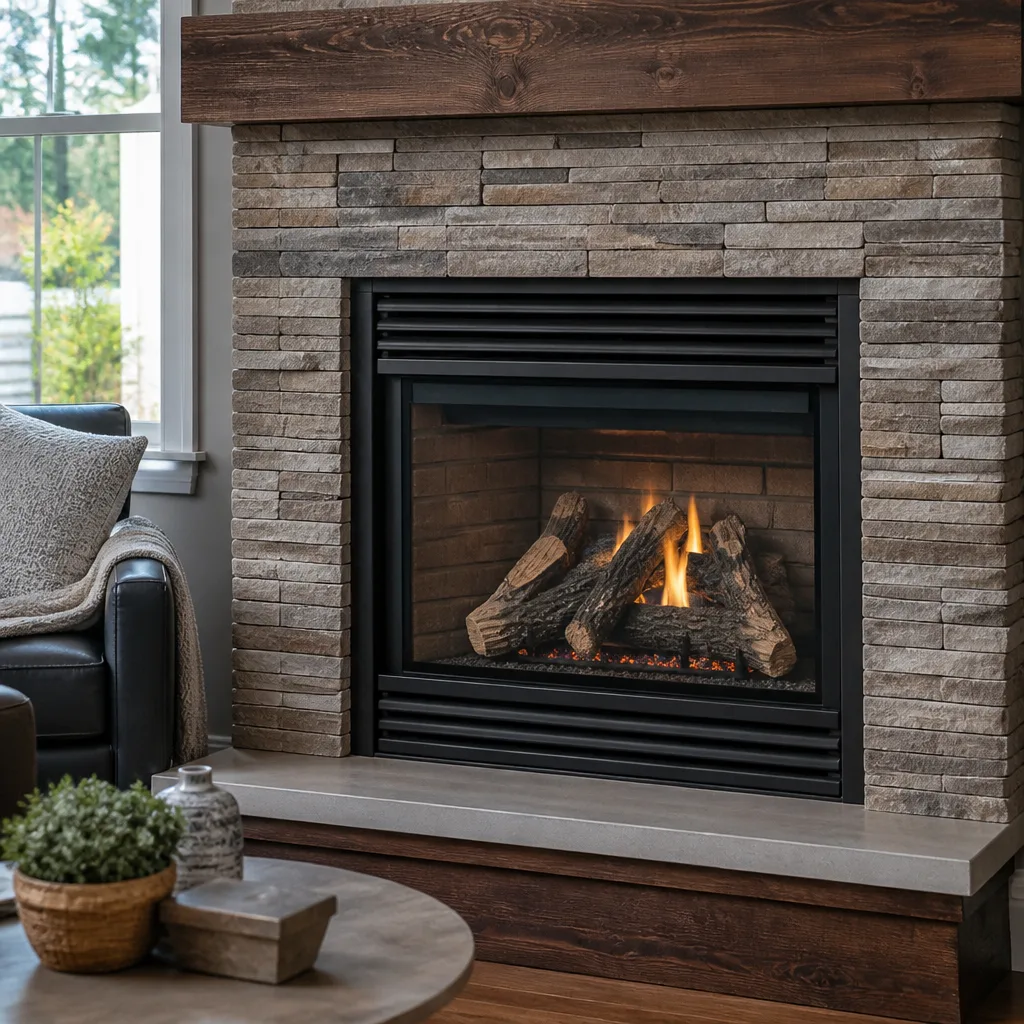 Gas fireplace service
Level 1 sweep and inspection to the NFPA 211 annual standard - flue, crown, cap, and flashing checked and photographed
Chimney sweep logs do not sweep chimneys. They loosen some creosote - which then falls where a brush and vacuum still have to collect it.
Seasonal Chimney Cleaning Care for Concord: Year-Round Homeowner’s Guide
Most chimney advice you’ll read online was written for a national audience, which is why it doesn’t quite fit here. Concord doesn’t get punishing winters like the Midwest or relentless rain like the Pacific Northwest. What it gets is a long, hot, dry summer, a handful of powerful Diablo wind events, and a wet season that arrives sideways rather than straight down. That combination produces a chimney wear pattern you won’t find in a generic guide. In this guide, we’ll walk through what actually happens to a Concord chimney across all four seasons, what to inspect and when, and how to tell the difference between a problem that can wait and one that shouldn’t. By the end, you’ll have a calendar you can actually use.
Quick Answer
Chimney care in Concord follows the local weather rather than the national “sweep before your first fire” template. The best time to book a full sweep and inspection is late summer into early fall, before the burn season starts. The most important thing to check after the burn season is water intrusion at the crown and flashing, especially following Diablo wind events. A professional sweep once a year, paired with a visual check after major storms, covers nearly everything a Concord homeowner needs to manage.
Styles & brands we work with
- Sweep & inspection
- Caps & crowns
- Flue relining
- Masonry repair
- Gas fireplace service
Table of Contents
- Why Concord’s Climate Makes Chimney Care Different
- Summer (June to August): What Heat Does to Mortar and Crowns
- Fall (September to October): Why You Should Schedule Earlier Than You Think
- Winter (November to February): Checking for Storm-Driven Moisture Intrusion
- Spring (March to May): What a Burn Season Leaves Behind
- The Carquinez Strait Marine Layer and Flue Condensation
- What a Chimney Inspection Actually Covers
- Common Mistakes to Avoid
- When to Call a Professional
- Frequently Asked Questions
- The Bottom Line
Why Concord’s Climate Makes Chimney Care Different
Chimney damage is a function of weather cycling, and Concord’s weather cycles in its own particular way. Summers run hot, with stretches that push past 90°F and bake exposed masonry and crown sealant day after day. Winters are mild and comparatively dry, with annual rainfall that stays well under what most people picture when they think of a wet climate. The moisture that does arrive often comes driven by Diablo winds, which push rain almost horizontally into exposed surfaces: the crown, the flashing where the chimney meets the roof, and any mortar joints facing the wind. Stallion Chimney Sweep sees this pattern repeated across Concord homes, and the failure signature looks different from regions where rain falls straight down for weeks at a time.
The practical result is that water damage here often gets misdiagnosed. A homeowner may see staining on the ceiling or a musty smell near the fireplace and assume the answer is a full relining or a rebuild. Often the actual problem is a failed crown sealant or a gap in the flashing, straightforward to repair when someone looks at it closely.
Here’s what that means in practice:
- Masonry erosion here is driven as much by summer heat stress as by winter moisture.
- Storm-driven rain creates localized intrusion rather than widespread saturation.
- Problems often masquerade as something bigger than they are.
- Diagnosis before recommendation matters more here than in a wetter climate.
None of that means your chimney needs more work than a homeowner elsewhere. It means the work needs to be timed and targeted to Concord’s actual calendar.
Summer (June to August): What Heat Does to Mortar and Crowns
The most destructive thing that happens to a Concord chimney happens when there’s no fire in it at all. Summer heat drives daily expansion and cooling contractions in the masonry, and that movement weakens mortar over time. Exposed crown sealant dries, cracks, and starts letting water in the instant the first storm arrives. This is the time of year to look at the chimney without a ladder: with binoculars from the yard, or with a camera inspection by a professional. What you’re watching for:
- Mortar joint cracks. Fine cracks at the joints are the earliest sign that heat cycling is doing its work. Left alone, they widen and let moisture sit inside the chase.
- Crown condition. The concrete or sealant cap at the top should be intact and slope away from the flue. If it’s cracked, chipped, or holding water after a morning shower, it needs repair before fall.
- Spalling brick. Faces flaking or popping off indicate water is already inside the brick. This is where ceramic repair products like HeatShield can sometimes restore a flue interior without tearing it out.
- Cap integrity. A rusted, loose, or missing cap lets water and animals straight into the flue. A properly fitted Gelco or Olympia Chimney cap is inexpensive to install and prevents most of this.
If you notice any of these during a mid-summer walk around the yard, don’t panic and don’t wait until November. Have someone look at it while the weather is dry and repairs can be done cleanly. Mid-summer is actually an excellent time for chimney repair, because the chimney is dry and the work won’t compete with pre-season bookings.
Fall (September to October): Why You Should Schedule Earlier Than You Think
The standard national advice says to sweep “before your first fire.” In Concord, that advice fails because it leaves the booking until a few weeks before cool weather arrives, when every other homeowner has the same idea. If you want a thorough sweep and inspection, book the appointment in September, ideally the first week or two. Here’s why:
- Sweeps fill up quickly once cooler evenings arrive and homeowners start thinking about fires.
- If the inspection turns up something that needs repair, you have time to fix it before you actually want to use the fireplace.
- Late summer and early fall are predictable, dry, and cool enough for roof access to be safe.
- A chimney that’s already been inspected and swept gives you confidence from the first fire onward, rather than worrying for the first month.
What a full fall appointment includes for most homeowners:
- A visual inspection of the firebox, damper, smoke chamber, flue, crown, and cap.
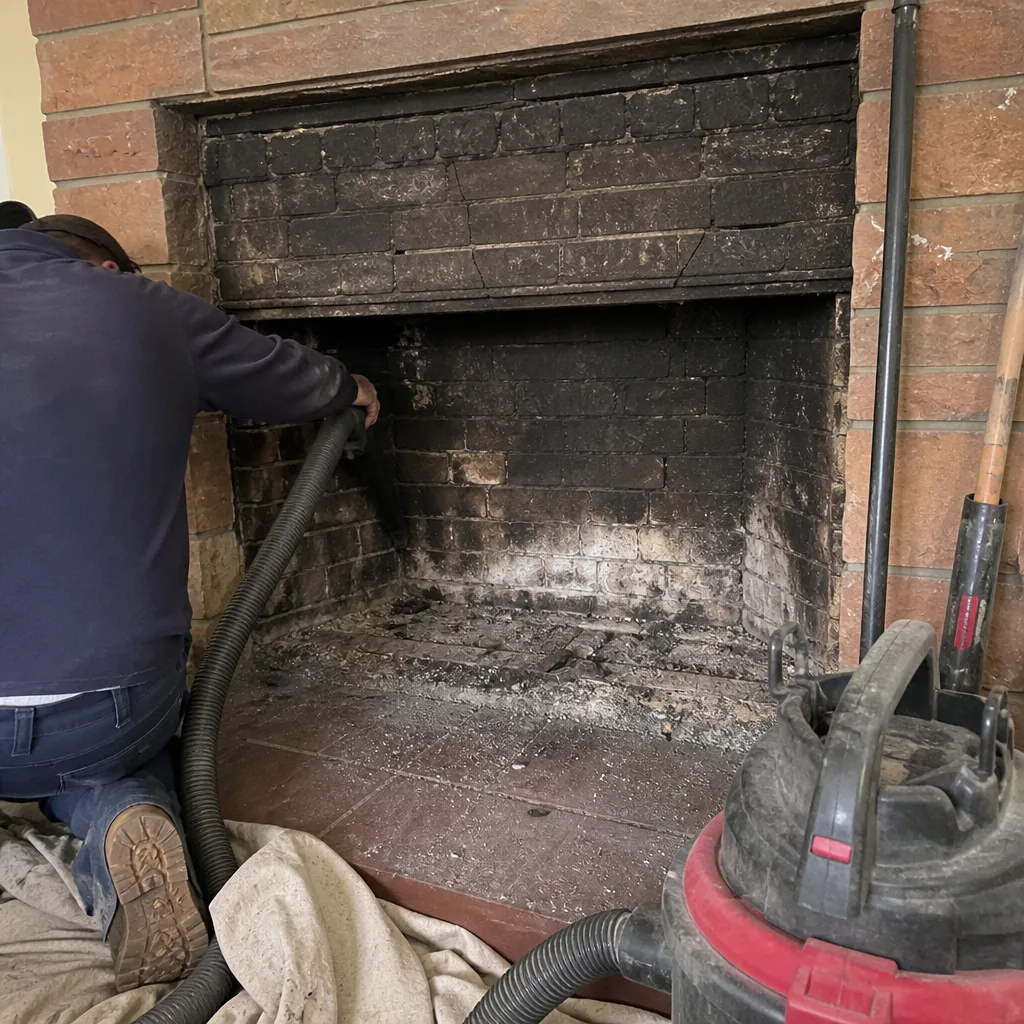
- A sweep using a rotary brush sized to the flue, with a HEPA vacuum controlling dust inside the home.
- A camera check of the flue liner to document its condition, with photos shown to you on site.
- A written report of what was found, what needs attention now, and what can safely wait.
That last point matters. A chimney that’s been properly swept and documented in September keeps you from guessing all winter. It’s also the foundation of an honest conversation if something turns up later. If you’re new to the area or haven’t booked a chimney sweep in a while, autumn is the natural reset point.
Winter (November to February): Checking for Storm-Driven Moisture Intrusion
Concord’s wet season doesn’t behave like a coastal drench. Rain arrives in bursts, often ahead of or during a Diablo wind event, and it hits the chimney almost sideways. The homeowner’s job in winter is not to climb the roof. It’s to watch for the interior signs that water is getting in, and to catch them before they turn into something structural.
What to watch after a strong storm:
- Damp patches on the ceiling or wall near the chimney. Any dark stain that grows after a storm points to flashing, crown, or masonry above.
- Water in the firebox. Even a small puddle after heavy rain is a flashing or crown failure in progress.
- Musty smells near the fireplace. Damp creosote and wet masonry produce a sour, smoky smell that’s stronger after rain.
- Rust or corrosion on the damper, firebox, or cap. Metal parts that rust quickly are being wetted regularly.
- White staining on exterior brick. Efflorescence is a sign water is migrating through the masonry and drying on the surface.
If you see any of these, don’t wait for spring. Call for an inspection while the problem is still fresh, so the technician can see the moisture pattern before it dries out. Interior moisture after a Diablo wind event is the single most misdiagnosed chimney issue in Concord, and the answer often turns out to be a crown reseal and flashing repair, not a rebuild. Safety comes first with anything that involves roof access or the flue itself. If you’re not sure what you’re looking at, stay off the roof and have a trained professional take a look.
Spring (March to May): What a Burn Season Leaves Behind
A full winter of use leaves three things in every wood-burning flue: creosote, soot, and moisture that has settled into the masonry. Spring is the time to document what’s there, before summer heat bakes it onto the liner and before the next storm cycle begins. We recommend the following sequence once you’ve stopped using the fireplace for the season:
- Do a visual firebox check. Look for cracked refractory brick, loose mortar, and creosote flakes on the smoke shelf.
- Look at the exterior. Use binoculars from the yard to check the crown, cap, and brick faces for anything that changed over the winter.
- Book the post-season sweep and inspection. This clears the flue of the current season’s creosote, checks the liner with a camera, and documents any new wear from winter storms.
- Have a written report. Document the state of the flue, crown, flashing, and cap now. It becomes your baseline for what changes next year.
Worth noting: a spring inspection catches storm damage while the evidence is still there. A chimney that looks fine in October may have taken on significant crown cracking over a wet winter, but by fall the cracks have dried out in a way that hides how they opened. Documenting in spring gives you a truer picture.
For a gas or oil appliance, the same visit checks the vent connector and the cap for corrosion. Famco venting components and a proper cap are often what keeps the whole system working through the summer. Spring is also the best time to schedule cosmetic and structural repair work, because there’s no competition with pre-season bookings.
The Carquinez Strait Marine Layer and Flue Condensation
Homes in Concord’s northern corridor sit closer to the Carquinez Strait, and they get a weather feature the rest of the city largely avoids: a marine layer that rolls in during the night and early morning, bringing cool, damp air. That air mass matters to chimneys for a simple reason. When the flue interior is cool and the outside air is damp, any warm air that enters the flue condenses on the liner walls. The same effect happens when a fire is lit on a cold, damp evening and the flue hasn’t warmed up yet.
Condensation sounds harmless, but on a chimney it’s a slow-eroding problem. Moisture that sits on the inside of a clay liner combines with the acidic byproducts of combustion, and the mixture weakens the clay over time. The visible signs:
- Dark streaks running down the inside of the firebox.
- A sour or smoky smell on still, cool mornings even when the fireplace wasn’t used the night before.
- White staining on the exterior brick, which here often shows up on the north-facing chimney faces.
- Rust on the damper, the firebox grate, or the top-sealing cap hardware.
An insulated stainless steel liner, such as the DuraFlex systems we install, is the standard fix for chronic condensation because it keeps the flue gases hotter all the way up. A tight-fitting cap also helps, since it keeps cool outside air from dropping into a warm flue. If you’re in the northern part of Concord and you’ve had repeated moisture issues that other companies haven’t resolved, ask specifically whether the flue is suffering from marine-layer condensation. It’s a different diagnosis than a storm leak, and it calls for a different fix.
What a Chimney Inspection Actually Covers
A chimney inspection isn’t a single service. It’s a set of checks that scale with what you’re trying to learn. Most Concord homeowners need what’s called a Level 2 inspection, especially when buying a home, after a chimney fire, or after any kind of storm event. Here’s the breakdown in plain terms:
- Level 1: A visual check of accessible portions of the firebox, damper, flue, and exterior. Fits a routine annual sweep when nothing unusual has happened.
- Level 2: Adds camera inspection of the flue liner, a check of accessible attic and crawl spaces, and a closer look at the crown and flashing. Standard for real estate transactions and after any event.
- Level 3: Reserved for specific diagnostic questions that can’t be answered from the accessible parts. Involves opening up construction and is only used when the reason justifies it.
When a technician recommends a Level 2, ask what in the Level 1 prompted the upgrade. That’s a fair question and a good technician will answer it clearly. At Stallion Chimney Sweep, our inspections end with a photo report so you can see the liner, crown, and flashing for yourself and see exactly what we’re recommending and why.
Common Mistakes to Avoid
- Scheduling the sweep in November. Concord sweeps fill fast once cooler evenings arrive. The homeowner who books in September gets the appointment they want; the homeowner who calls in November gets what’s left.
- Assuming rain damage needs a rebuild. Most Concord water intrusion turns out to be a crown reseal, flashing repair, or cap replacement once a camera is in the flue. Get the diagnosis before accepting a rebuild quote.
- Ignoring condensation in the northern corridor. A flue that smells sour on cool mornings doesn’t have a storm leak, it has condensation. Different cause, different fix.
- Skipping the sweep because you only burn a few times a year. Creosote builds at the same rate no matter how often you light a fire; it’s the length of the burn season that matters, not the number of fires.
- Climbing the roof after a storm. A wet roof and gusty winds are a bad combination for a homeowner inspection. Watch for interior signs and call a professional for anything above the firebox.
- Using hardware-store caulk on a crown. It fails within a season in Concord’s heat. Crown sealants need to be rated for exterior masonry and UV exposure.
- Accepting a repair quote without seeing evidence. A technician who can’t show you a photo of what needs fixing is asking you to take a lot on faith.
When to Call a Professional
Call a professional if you see water in the firebox after a storm, dark staining or dampness on the ceiling or wall near the chimney, a sour smell near the fireplace that’s stronger on cool mornings, or any visible cracking or spalling on the exterior brick. Call after a chimney fire, after a Diablo wind event that shook the roof, or if it’s been more than a year since your last sweep. Call before you buy a home with a fireplace, and call if a technician has recommended a repair and you want a second opinion before committing. The technicians at Concord‘s Stallion Chimney Sweep handle inspection, sweep, and repair with the same in-house team, so there’s no hand-off between the person who diagnoses the problem and the person who fixes it. Estimates are free, and our technicians have up to experience. Call (833) 434-1221. We answer 24/7. Fast dispatch from 7am to 7pm, Sunday through Friday.
Frequently Asked Questions
Once a year is the right rhythm for most Concord homeowners who burn wood regularly during the wet season. The best time to book is late summer into early fall, so the sweep is done before the fire season begins and any needed repair is completed with time to spare. If you burn heavily or notice a strong, sour smell after a few fires, an extra inspection is worth the call.
Water gets in through the crown, the flashing, or a failed cap, and in Concord the driver is usually the horizontal rain that comes with a Diablo wind event. Straight-down rain runs off the flashing cleanly; wind-driven rain pushes past gaps that stay hidden in dry weather. That’s why we recommend an inspection right after a wet storm rather than in the middle of summer.
It depends on what the camera shows. A clay-lined flue with isolated cracking can often be restored with a ceramic repair system like HeatShield, which reshapes the liner interior without demolition. A flue with extensive damage, gaps, or a missing liner is a relining project. The honest answer is that neither repair should be quoted without a camera inspection and photos you can see yourself. Call (833) 434-1221 for a free estimate.
Late spring and early summer are the best windows for structural repair. Masonry work needs dry, moderate weather, and the chimney isn’t competing with pre-season bookings. Winter storms leave their evidence in early spring, so a March or April inspection catches damage while it’s fresh, and the repair work itself can happen over the following weeks.
A sour or smoky smell on a cool morning, especially near the Carquinez Strait corridor, usually points to condensation inside the flue. Damp air entering a cool flue condenses on the liner walls, mixes with combustion residue, and returns as a smell. An insulated stainless liner and a well-fitted cap solve it in most cases. Have it checked before assuming a leak.
Creosote builds up whether or not you notice, and unaddressed crown or flashing damage lets water into the masonry through the wet season. The result over time is a flue that gets harder and more expensive to repair, and a higher risk of a chimney fire once creosote reaches a certain thickness. An annual sweep and a periodic inspection are far cheaper than a rebuild.
The Bottom Line
Chimney care in Concord runs on the local weather calendar, not the national template. Check the crown and mortar in the hot months, book your full sweep in September, watch for storm-driven water intrusion in the winter, and document the flue in spring before summer heat sets what’s left in place. Homes in the northern corridor near the Carquinez Strait need to watch for condensation as well as leaks, and a flue that smells sour on cool mornings has a different problem than one that drips after a storm. Get the diagnosis before the repair, see the evidence yourself, and book before the season changes. If you want a professional to look at what you’ve got, call (833) 434-1221 for a free estimate. We answer 24/7. Fast dispatch from 7am to 7pm, Sunday through Friday.
Stallion Chimney Sweep installs and services professional-grade products from HeatShield, Gelco, Olympia Chimney, Famco, DuraFlex, and Copperfield. One crew handles inspection, sweep, and repair, so what we find is documented and what we fix is done by the same team.
Written by the team at Stallion Chimney Sweep.
See the difference
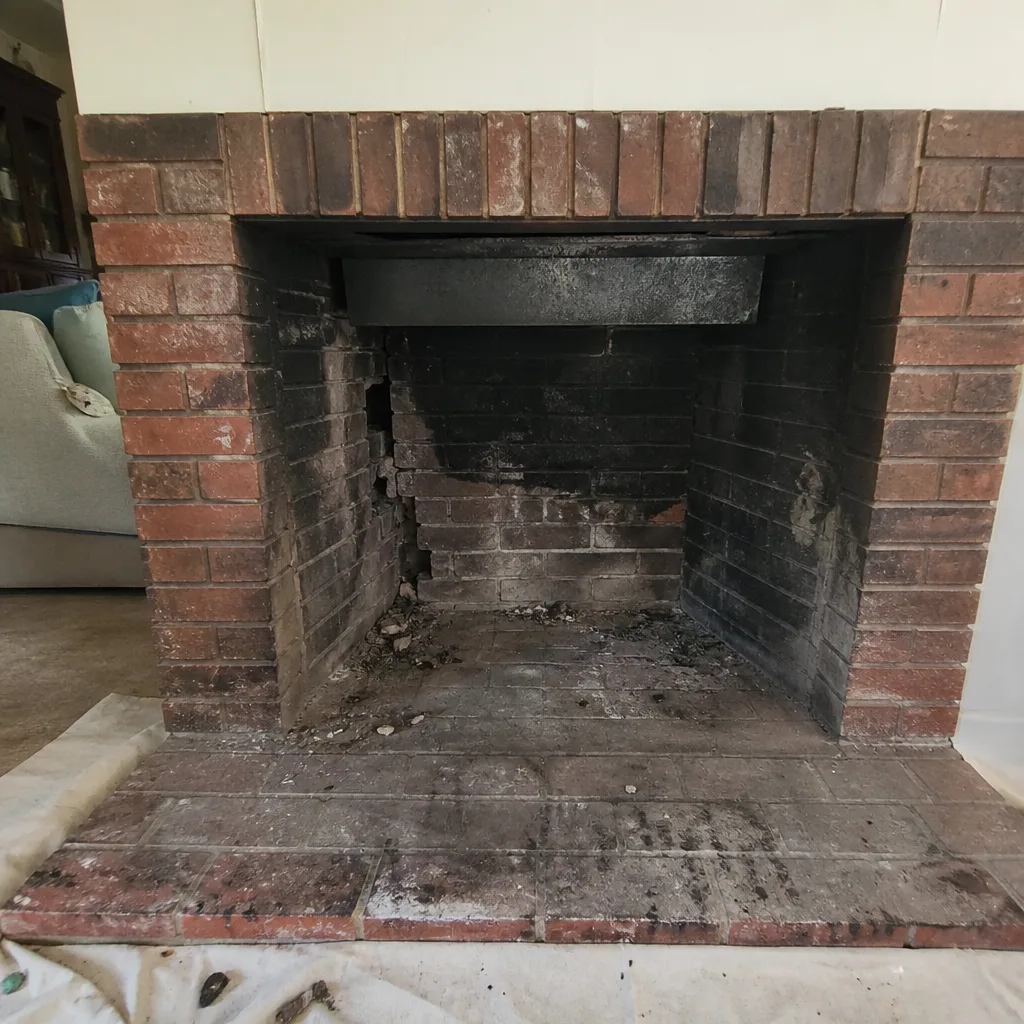 Before
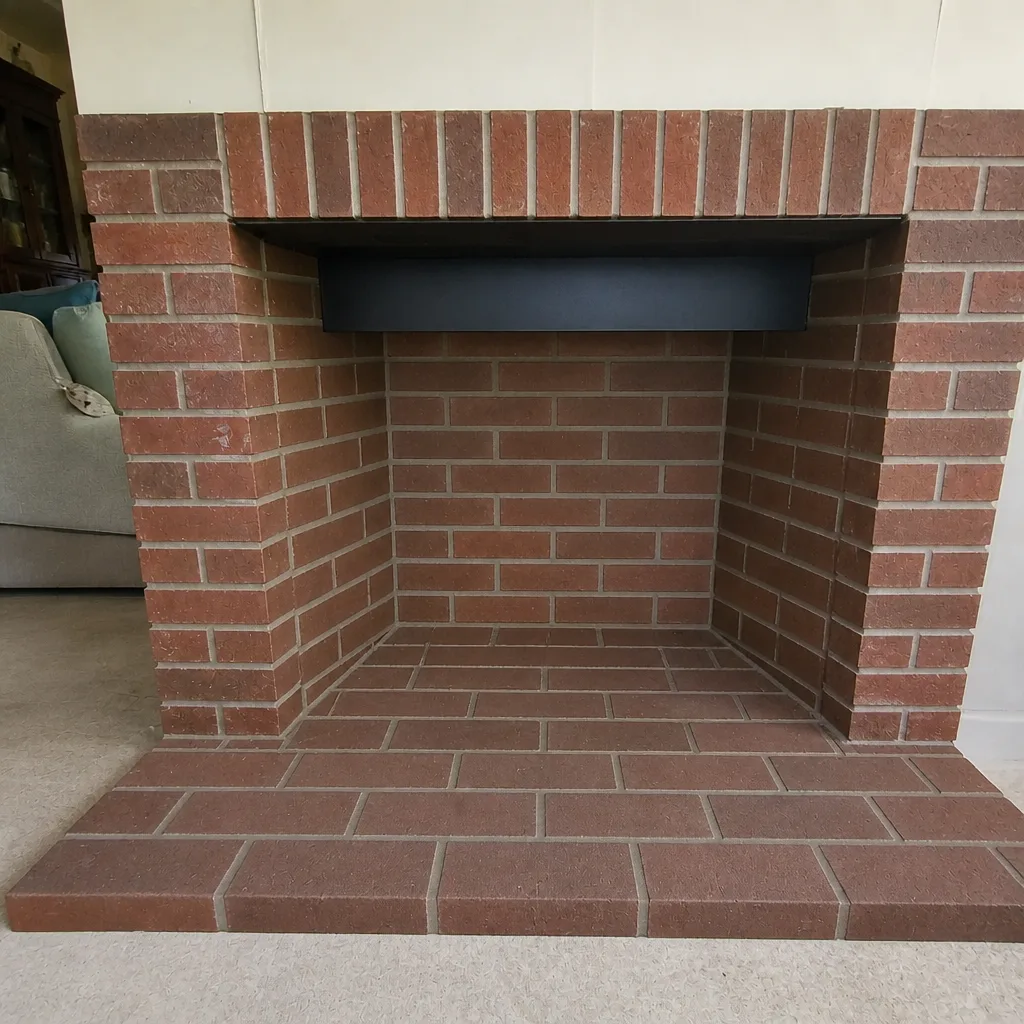 After
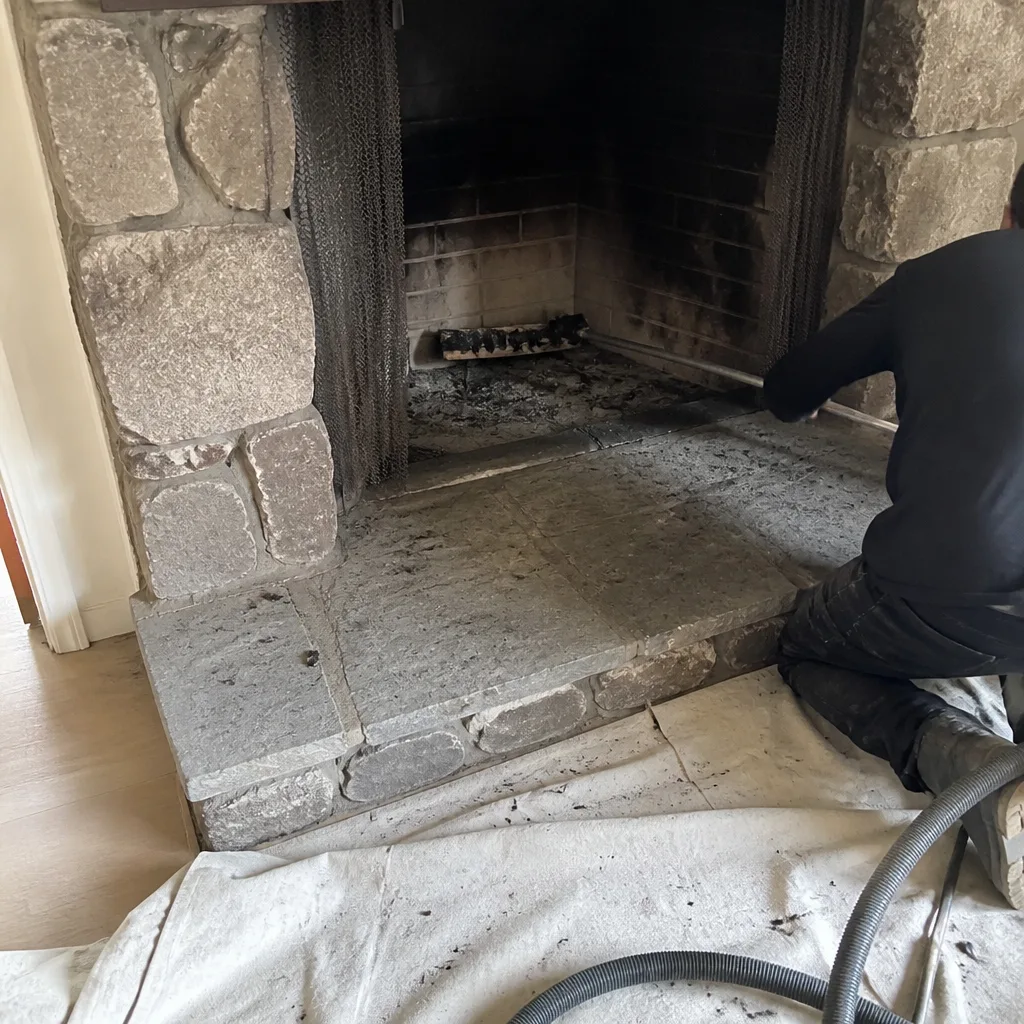 Before
 After
 Before
 After