
Last updated November 15, 2026
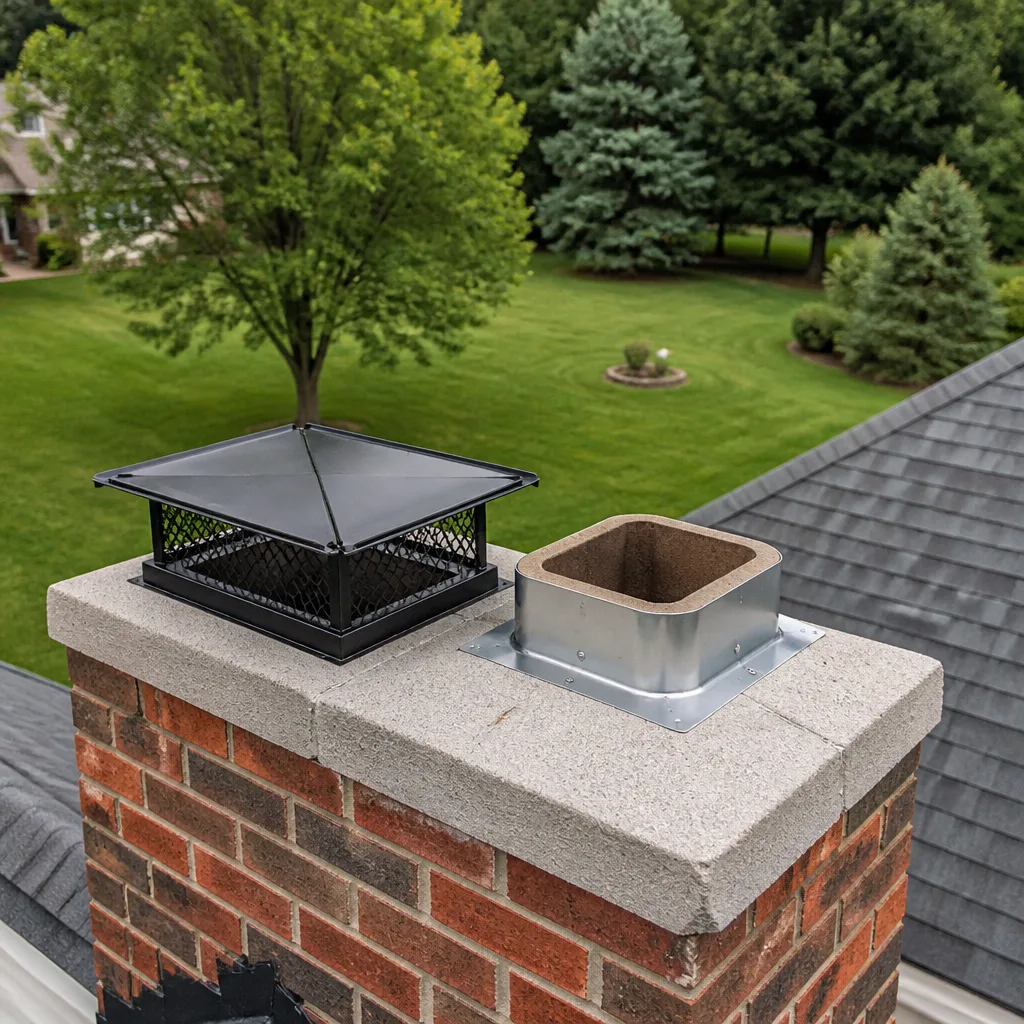 Sweep & inspection
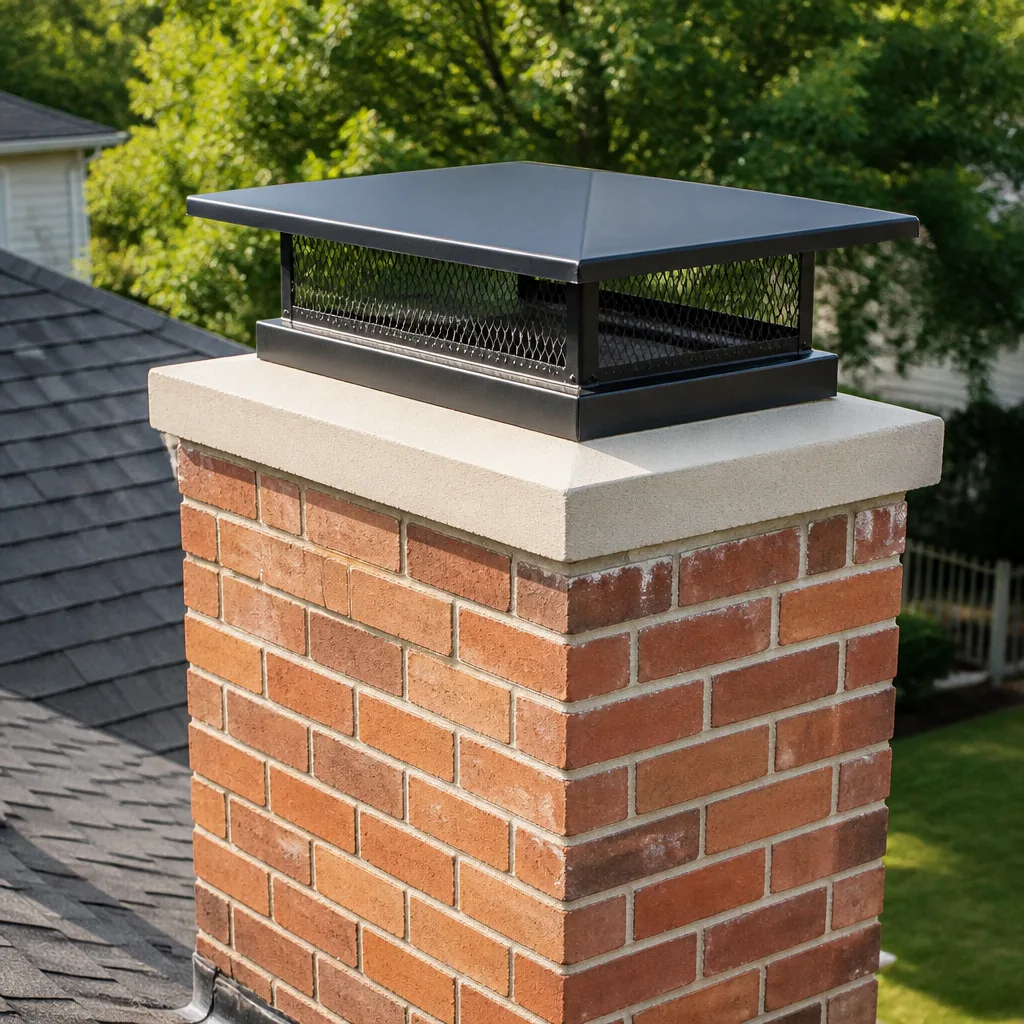 Caps & crowns
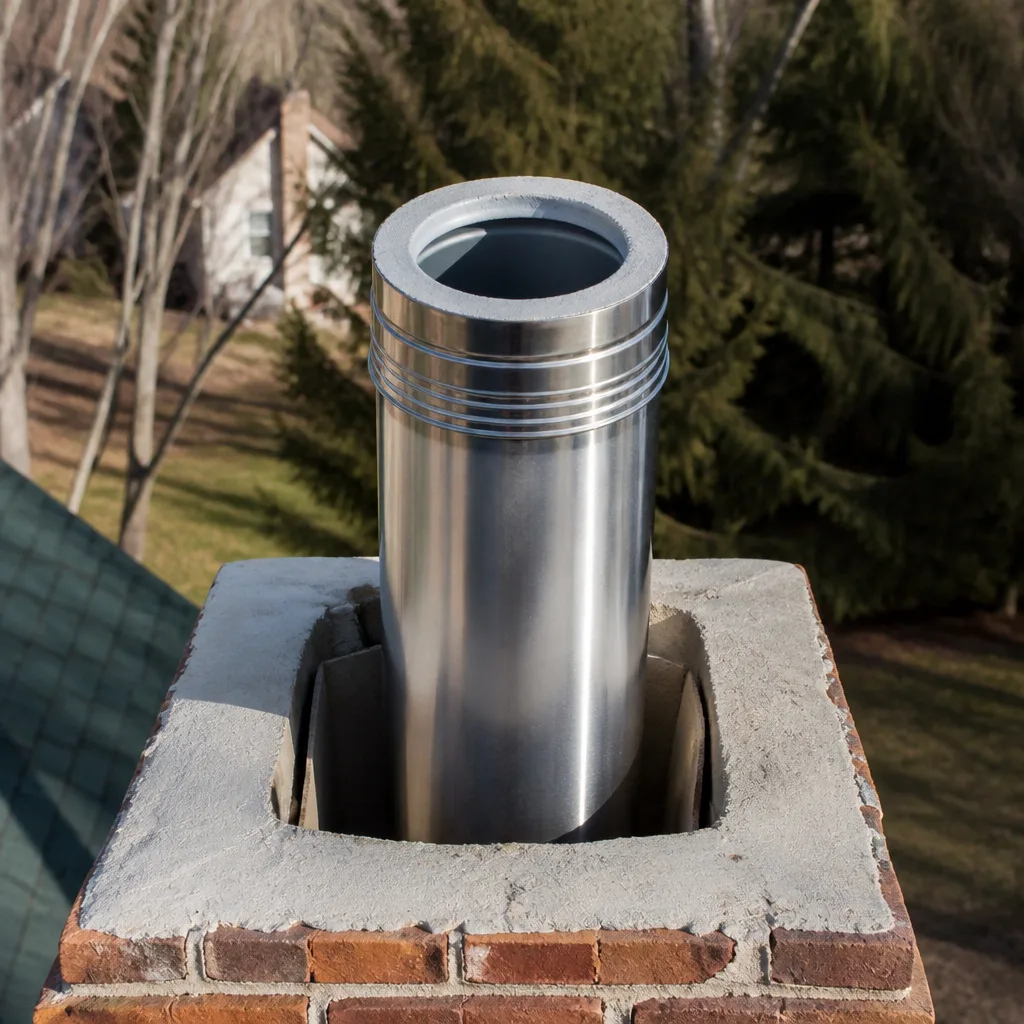 Flue relining
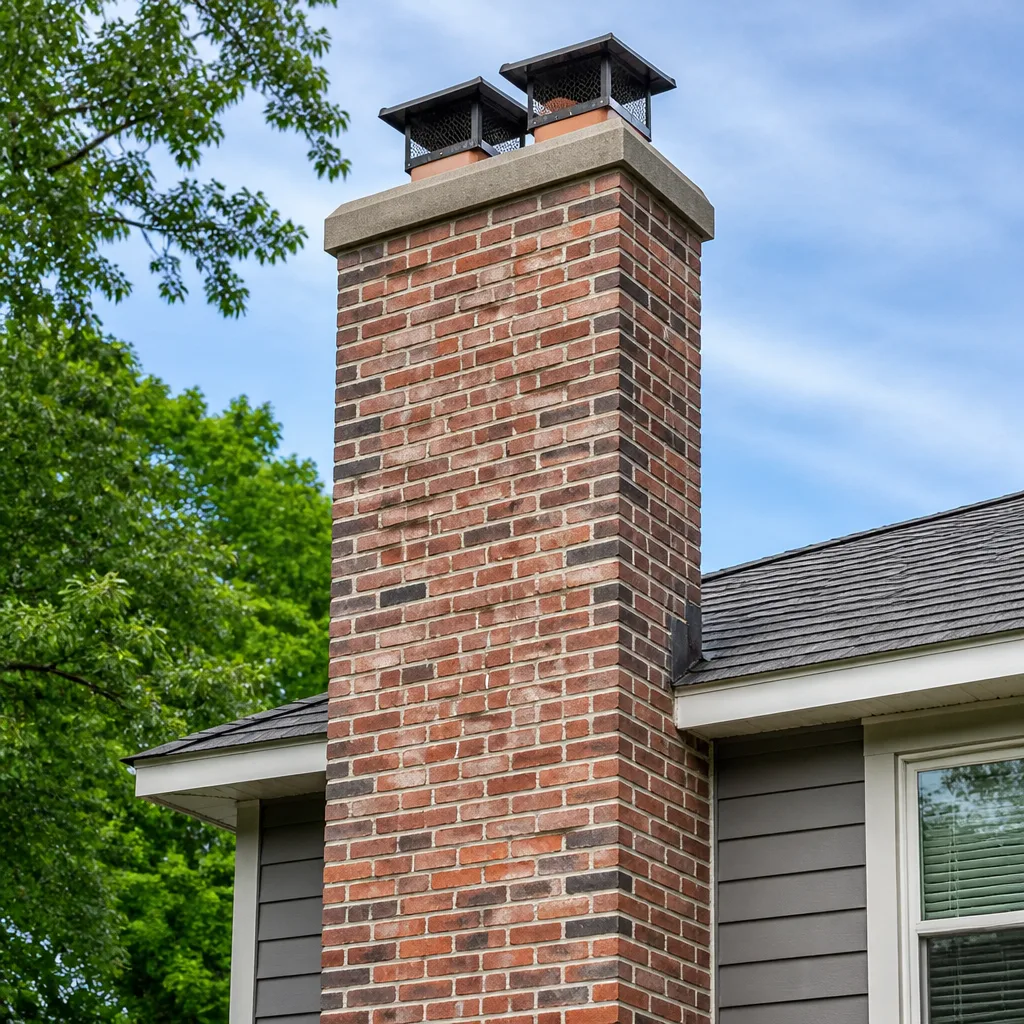 Masonry repair
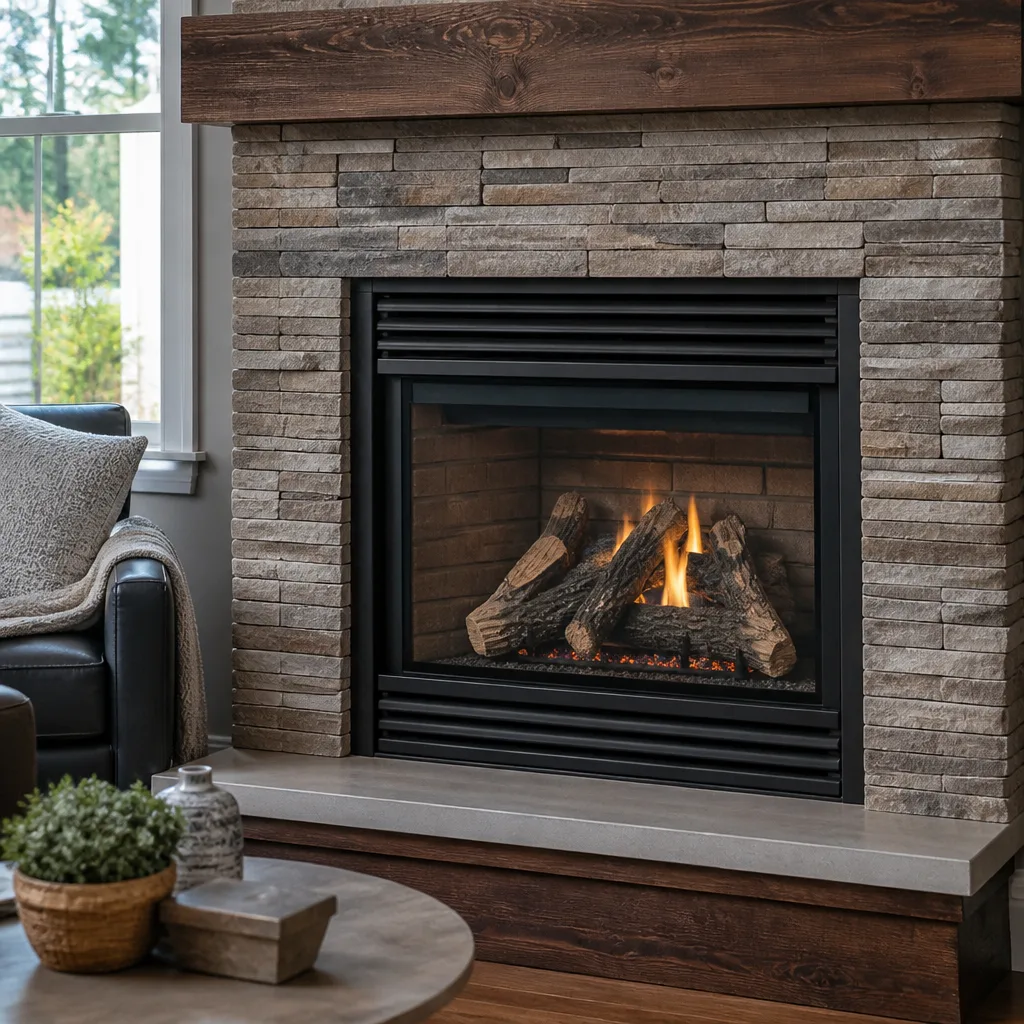 Gas fireplace service
Level 1 sweep and inspection to the NFPA 211 annual standard - flue, crown, cap, and flashing checked and photographed
Chimney sweep logs do not sweep chimneys. They loosen some creosote - which then falls where a brush and vacuum still have to collect it.
Chimney Cleaning Permits, Codes & Inspections in Concord, CA: What You Need to Know
The most common assumption we hear in Concord is that chimney work is chimney work, so paperwork can’t possibly be involved. Sweeping is maintenance, and maintenance rarely needs a permit. That part is true. What surprises homeowners is where the line sits. The moment a contractor opens up a liner, rebuilds a crown, or alters a firebox, you’ve crossed from housekeeping into construction, and California’s building code follows. A reline performed without the right permit can complicate an insurance claim after a fire, and it will absolutely surface during a home sale. This guide draws the line precisely: what’s exempt in Concord, what triggers a permit, which codes apply, and what a final inspection actually checks.
Quick Answer
Routine chimney cleaning and annual inspections in Concord do not require a permit. Structural work does. Liner replacement, crown reconstruction, firebox rebuilding, and any alteration to a factory-built fireplace system generally require a building permit through the City of Concord, and the work must meet California Residential Code and NFPA 211 standards. The permit is the contractor’s responsibility to pull, and you should confirm it before work begins.
Styles & brands we work with
- Sweep & inspection
- Caps & crowns
- Flue relining
- Masonry repair
- Gas fireplace service
Table of Contents
- Which chimney services in Concord are permit-exempt?
- Which chimney projects trigger a permit?
- California Residential Code: factory-built versus masonry
- How NFPA 211 and Title 24 work together
- What a final inspection by a building official covers
- How unpermitted chimney work surfaces during a Concord home sale
- How to verify your contractor pulled the permit
- Why Concord’s climate shapes chimney wear
Which Chimney Services in Concord Are Permit-Exempt?
Sweeping, inspection, and minor maintenance are permit-exempt in Concord. Nobody needs a building permit to have creosote removed from a flue, and no inspecting body requires one for a Level 1, 2, or 3 inspection performed on its own. Cleaning is not construction. It’s removal of accumulated deposits from an existing, unaltered system.
Here’s what typically falls on the exempt side of the line:
- Chimney sweeping of any flue serving a wood-burning fireplace, insert, or stove.
- Level 1, 2, and 3 inspections, including camera inspection of the flue interior.
- Chimney cap replacement in most cases, when the cap is a like-for-like swap on an existing, code-compliant termination and no masonry is removed. We install Gelco and Famco caps for exactly this reason: they’re exterior-rated components designed for long-term weathering, and swapping one is hardware work, not structural work.
- Minor mortar repointing on the exterior of a chimney above the roofline, where no structural element is being altered.
- Spark screen and damper hardware replacement when the existing opening and dimensions stay the same.
Notice the pattern. The exempt category is about restoring a system to its designed condition without changing its structure, dimensions, or venting characteristics. Anything that alters those is a different category of work entirely, and that’s where Concord’s permit requirements begin. If you want a plain-language starting point on the maintenance side, our chimney sweep page covers what a standard appointment involves.
Which Chimney Projects in Concord Trigger a Building Permit?
Structural chimney work in Concord generally requires a building permit. The clearest triggers are liner replacement, crown reconstruction, firebox rebuilding, and any modification to a factory-built fireplace or its venting. If a contractor is cutting, rebuilding, or replacing a permanent part of the chimney system, assume a permit is required and confirm it in writing.
The following commonly require a permit:
- Liner replacement or relining. Installing a new stainless liner, whether flexible or rigid, changes the venting system. This is the single most common permit-required chimney service, and it’s also the one most often skipped by contractors working without one. We install DuraFlex stainless liner systems, which are professional-grade flexible liners specified by certified chimney professionals, and relining is always documented work.
- Crown replacement or repair involving new mortar structure. The crown is the concrete or masonry cap at the top of the chimney that sheds water. Rebuilding it is masonry construction.
- Firebox rebuilding. Structural repair inside the firebox changes the combustion chamber. HeatShield ceramic resurfacing can restore deteriorated flue interiors without full liner replacement in qualifying cases, but the assessment and the documentation still matter.
- Alterations to factory-built fireplace systems. These are listed appliances with manufacturer-specific venting requirements. Any change to the venting configuration or the appliance’s enclosure is permitted work.
- Chimney removal, height changes, or chase modification. Cutting a chimney down or changing its footprint is structural.
- Converting a wood-burning appliance to gas or installing a new insert. A new appliance means new venting and a new permit.
We’ve seen homeowners in Concord discover midway through a project that their contractor “handles permits separately” and never actually pulled one. Ask the question before the first cut, not after. The cost of a permit is modest next to the cost of undoing work that can’t be signed off.
California Residential Code: Factory-Built Versus Masonry
California’s residential code treats factory-built fireplaces and masonry fireplaces very differently, and that difference drives permit requirements. Factory-built units are listed appliances. They’re tested as a complete assembly, and they must be installed and vented exactly as the manufacturer’s listing specifies. Masonry fireplaces are site-built structures, governed by prescriptive code requirements for foundations, clearance to combustibles, and flue sizing.
Why the distinction matters when you call a contractor:
- A factory-built fireplace has a data plate that names its model and its venting requirements. Changing the venting without matching that listing invalidates the appliance’s approval. A permit inspection will catch it.
- A masonry fireplace allows more latitude for repair techniques like ceramic resurfacing, but the flue interior, clearance to framing, and crown all have to meet prescriptive requirements.
- A liner installed in either system must be sized to the appliance and rated for the fuel type. A wood-burning liner and a gas liner are not interchangeable, even if they look similar on a shelf.
- Insulation requirements around a liner vary by system type, and getting this wrong is exactly the kind of thing a final inspection is designed to find.
In our experience, the confusion usually starts when a homeowner has been told a reline is “just a liner swap.” It isn’t. It’s a modification to a listed venting system or a masonry flue, and California’s code treats it that way. If the work involves restoring masonry rather than replacing it, our chimney repair page explains how the diagnostic side of that decision is made.
How NFPA 211 and Title 24 Work Together
NFPA 211 is the national standard for chimneys, fireplaces, vents, and solid fuel-burning appliances. California’s Title 24 energy code governs, among other things, the energy performance of the building envelope and the appliances within it. They aren’t in conflict. NFPA 211 sets the safety and construction standard; Title 24 sets the energy performance requirement that a new installation must meet.
Where this shows up in practice:
- Liner replacement must meet NFPA 211’s requirements for material, sizing, and clearance, and the appliance’s energy performance has to remain compliant with Title 24. A new insert installation, for example, needs to meet both.
- Clearances to combustibles are an NFPA 211 matter. A final inspection will look at them, and this is where unpermitted work most often fails when it’s eventually examined.
- Venting terminations are governed by NFPA 211 and by the appliance manufacturer’s listing. Title 24 doesn’t override a manufacturer’s venting requirement.
- Insulation and sealing in the chimney chase can fall under Title 24 when the chase is part of the building envelope, which is a detail many contractors miss.
In our experience, the honest, useful version of this is simple: a properly permitted reline isn’t just a safety procedure, it’s a code procedure. Any contractor who can’t explain which standard governs your specific appliance probably hasn’t spent much time reading either one.
What a Final Inspection by a Building Official Actually Covers
A final inspection confirms the permitted work was done as described on the approved plans and meets the applicable code. It is not a substitute for a Level 2 or Level 3 chimney inspection performed by a chimney professional, and it does not evaluate creosote condition, drafting performance, or the overall health of the flue.
In practical terms, the building official is checking:
- The permit scope. Did the work match what was permitted? A liner replacement that also involved an unpermitted firebox alteration will be flagged.
- Clearances to combustibles. This is the most common source of inspection failures on chimney work, and it’s not visible after the enclosure is closed back up.
- Material compliance. Is the liner rated and listed for the fuel type and appliance? Is the cap installed correctly?
- Structural integrity of the assembly. Is the crown finished and pitched to shed water? Is the flue termination at the required height above the roof?
- The venting configuration. Does it match the appliance manufacturer’s listing for a factory-built system?
How to request one: the contractor who pulled the permit typically schedules the inspection on your behalf. If you’re not sure whether the work was permitted, you can contact the City of Concord’s building department to check the permit history on your property. If you’re selling a home and want to confirm the condition of the chimney before it becomes a buyer’s concern, a Level 2 inspection from the Stallion Chimney Sweep team will document it with photos you can share with your agent.
How Unpermitted Chimney Work Surfaces During a Concord Home Sale
Unpermitted chimney work gets discovered during a home sale because a buyer’s home inspector will call it out, and a buyer’s agent will flag it as a deal risk. It doesn’t matter that the work may have been done correctly. What matters is that the permit history is missing, and missing permit history is a documented liability, not a technicality.
The typical sequence in a Concord transaction looks like this:
- A home inspector notes the chimney liner, crown, or firebox and flags a permit concern in their report.
- The buyer’s agent asks for documentation of the work. If there isn’t any, the request becomes a demand for further evaluation or a credit.
- A Level 2 inspection is scheduled to determine whether the work meets current standards. If it doesn’t, the seller is paying for the correction anyway, and now the transaction timeline is affected.
- Insurance underwriting for the buyer may exclude the chimney from coverage until it’s resolved, which makes the issue more urgent than a repair credit alone would suggest.
For a seller in Concord, the simplest answer is to inspect before you list. If there’s unpermitted previous work, you’ll want to know what it cost to resolve before a buyer’s inspector tells you. Before the sale, before the permit, before the contractor picks up a tool: that’s the sequence that avoids the problem.
How to Verify Your Contractor Pulled the Permit
Verify the permit before work begins, not after. Ask the contractor for the permit number as soon as it’s issued. A legitimate permit has a number tied to the property address, and you can confirm it by calling the City of Concord’s building department. Insist on this for any liner replacement, crown reconstruction, or firebox work.
A short checklist we’d recommend every Concord homeowner follow:
- Ask for the permit in writing in the estimate or contract, not just verbally.
- Confirm the number against your property address once it’s issued. A permit for a different address is not a permit for you.
- Ask who schedules the final inspection and whether the inspection result will be provided to you in writing.
- Confirm the contractor is licensed and insured before any work begins.
- Get the scope of work in writing, including the material specified. A liner brand, size, and rating should be on the estimate.
- Request a photo report of the flue before and after the work, which is the only documentation a buyer or an insurer can actually review later.
We tell our customers in Concord the same thing we tell every homeowner: we’d rather lose a job because we were honest about the paperwork than take it and have it fail an inspection. The permit is the contractor’s responsibility to pull, and you should never be asked to pull one yourself for work you’re paying for.
Why Concord’s Climate Shapes Chimney Wear
Concord’s mild winters mean the chimney rarely gets a hard freeze, but mild doesn’t mean gentle. The combination of dry summers, wet winters, and wide daily temperature swings works on a chimney’s exterior masonry and its crown year after year. The result is gradual, and it’s invisible from the ground. Cracks in the crown let water into the chimney’s interior, and that water finds the flue.
What we look for in a Concord chimney during a sweep and inspection:
- Crown condition. The crown is a flat or slightly pitched slab of concrete or mortar. When it cracks, water enters the chimney structure. This is a repaired-in-place item in many cases and a rebuilt-in-place item in others.
- Exterior mortar joints. Repointing above the roofline is exempt maintenance, but the chimney’s lower sections are hidden inside the firebox enclosure and belong to a different inspection.
- Flue interior, checked by camera. Cracks, gaps, and deteriorated mortar joints show up here first, and they’re the reason a Level 2 inspection is worth the appointment even when the chimney looks fine from outside.
- The cap and spark screen. Animals get into uncapped chimneys. A Gelco or Famco cap installed correctly solves it, and the installation is straightforward maintenance in most cases.
If you want the full context of what local service looks like, our Concord page covers the neighborhood-level side of the picture. The climate point is this: your chimney’s wear is slow and mostly hidden. An annual inspection catches it while it’s still maintenance, not repair.
Common Mistakes to Avoid
- Assuming every contractor pulls the permit. Some don’t, and some tell you they will and then don’t. Always ask for the permit number in writing before the work begins.
- Treating a liner replacement as a hardware swap. It’s a modification to a venting system governed by code, and it needs to be permitted and documented. The materials matter too, which is why we specify DuraFlex liners from Olympia Chimney and similar professional-grade suppliers rather than consumer-retail substitutes.
- Skipping the annual inspection because the chimney “looks fine.” Creosote accumulation and flue deterioration both happen where you can’t see them. Visible condition from the ground is not a diagnosis.
- Hiring a sweep and a separate repair contractor. In our experience, this is where conflicting diagnoses start. One crew should inspect, clean, and repair, so the person who found the problem is the person fixing it.
- Accepting an estimate without a photo report. A written estimate for liner work should include flue photos, the material specified, and the code basis for the work. If you can’t see what was found, you can’t evaluate whether the repair is justified.
- Waiting until you’re selling to fix unpermitted work. A home inspector will find it, and the buyer’s agent will flag it. Resolve permit issues before listing, not after the inspection response.
- Reading a permit as a sign that all structural items are covered. A permit covers the scope listed on it. If the crown is failing and the permit is for a reline, the crown is a separate line item.
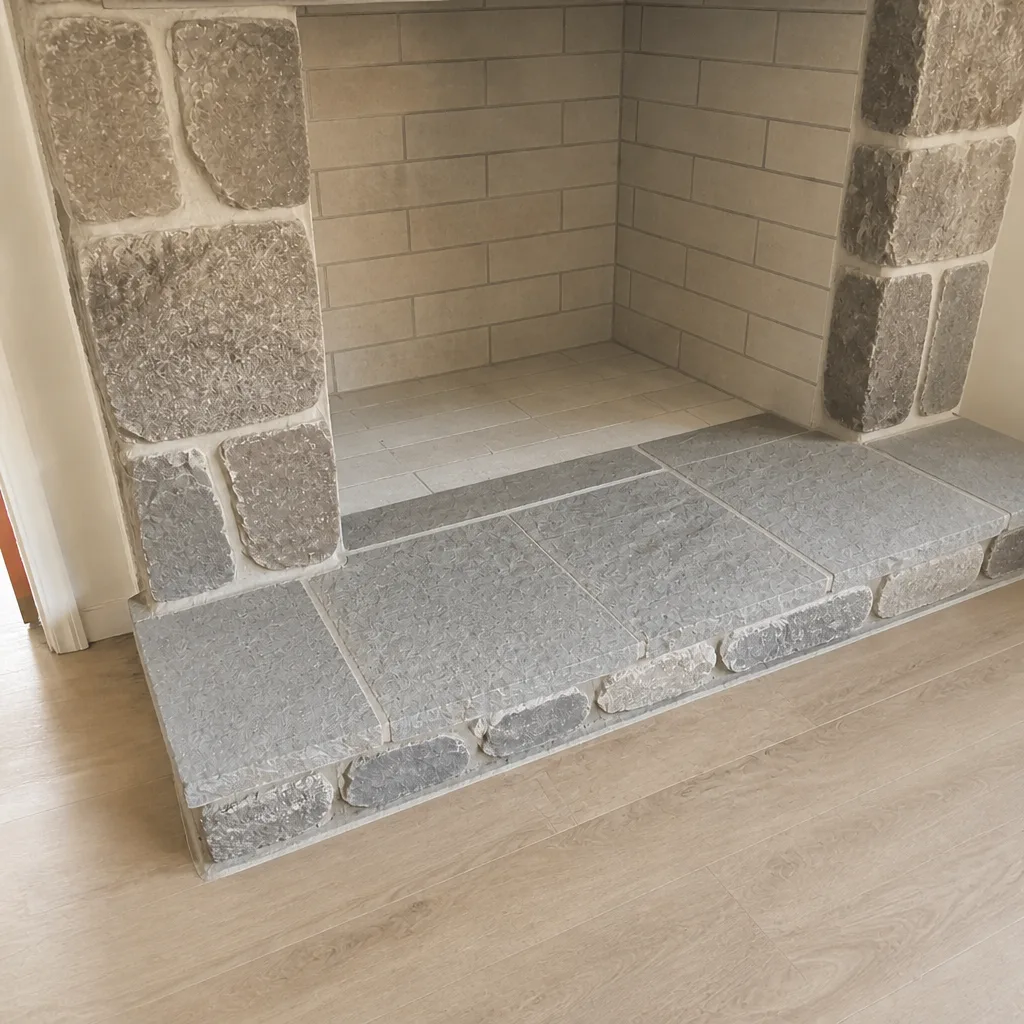
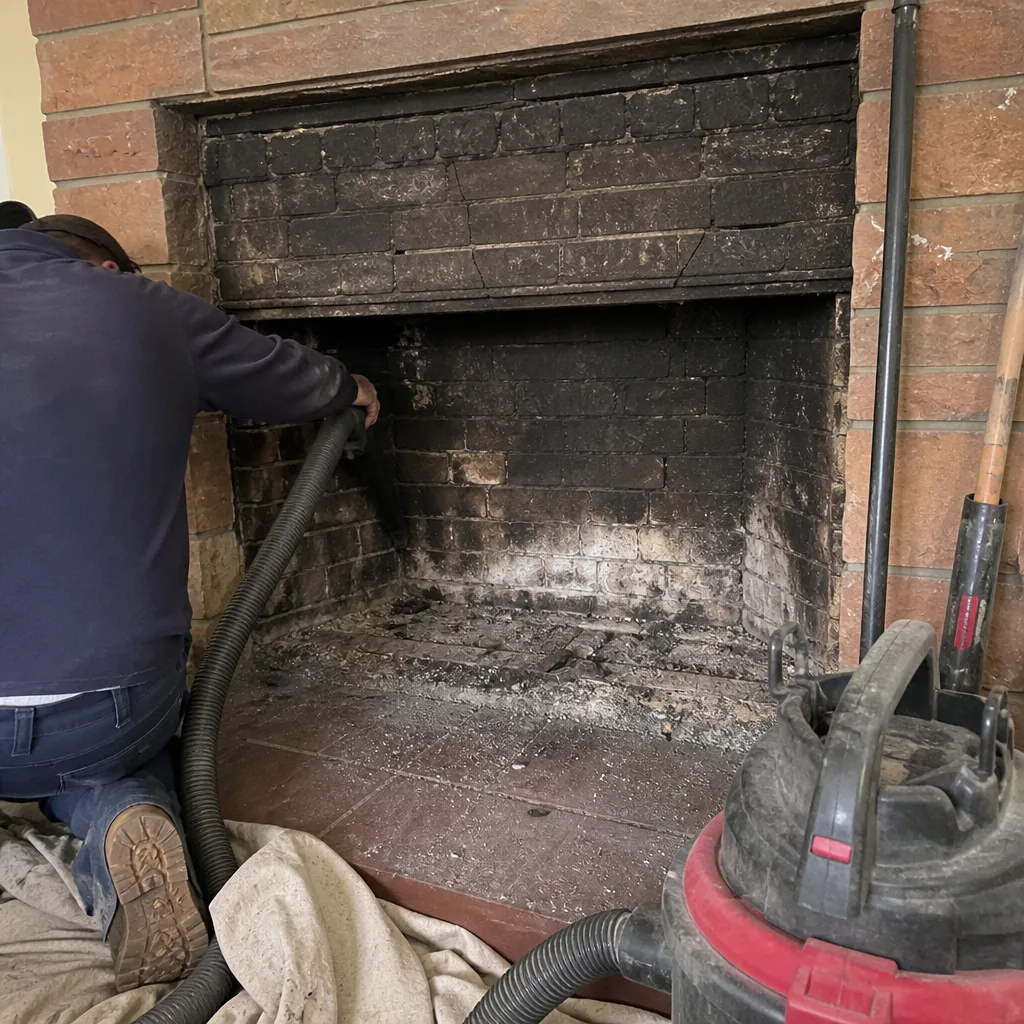
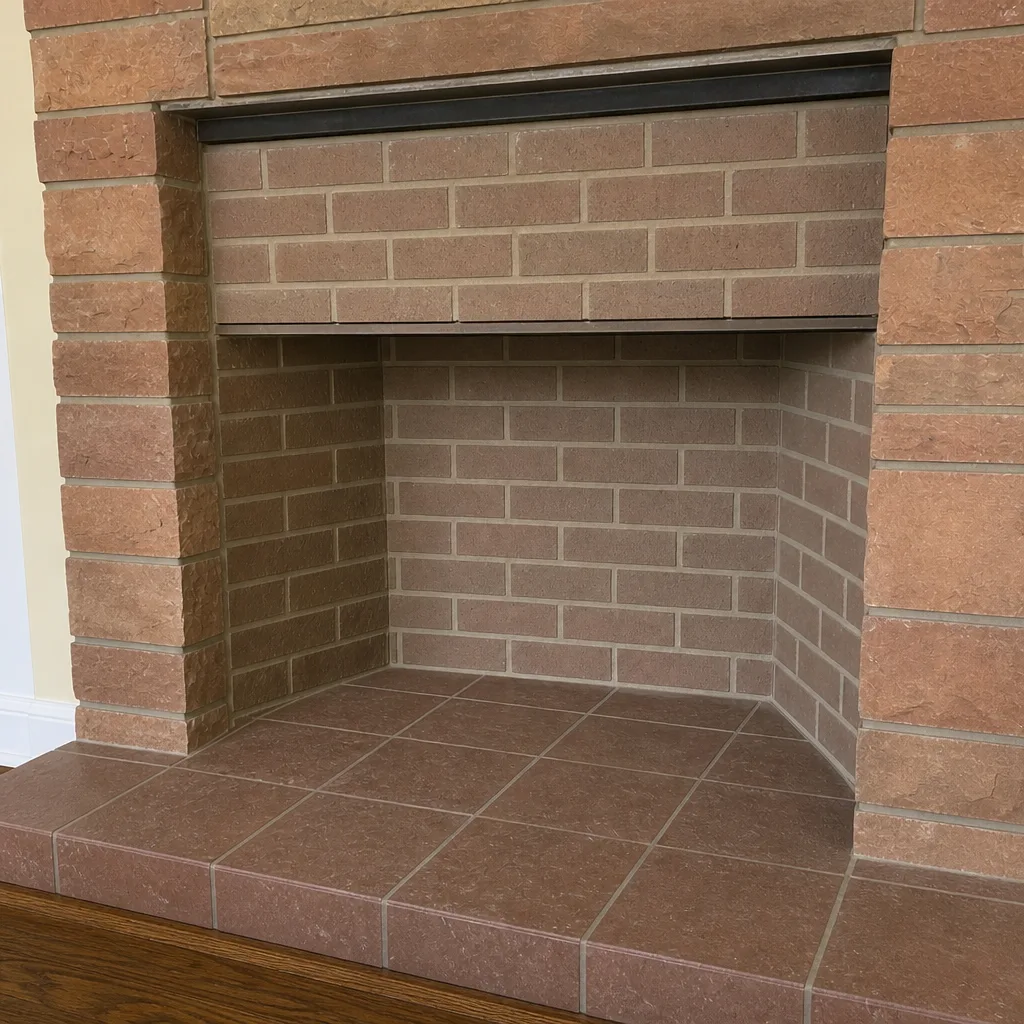
See the difference
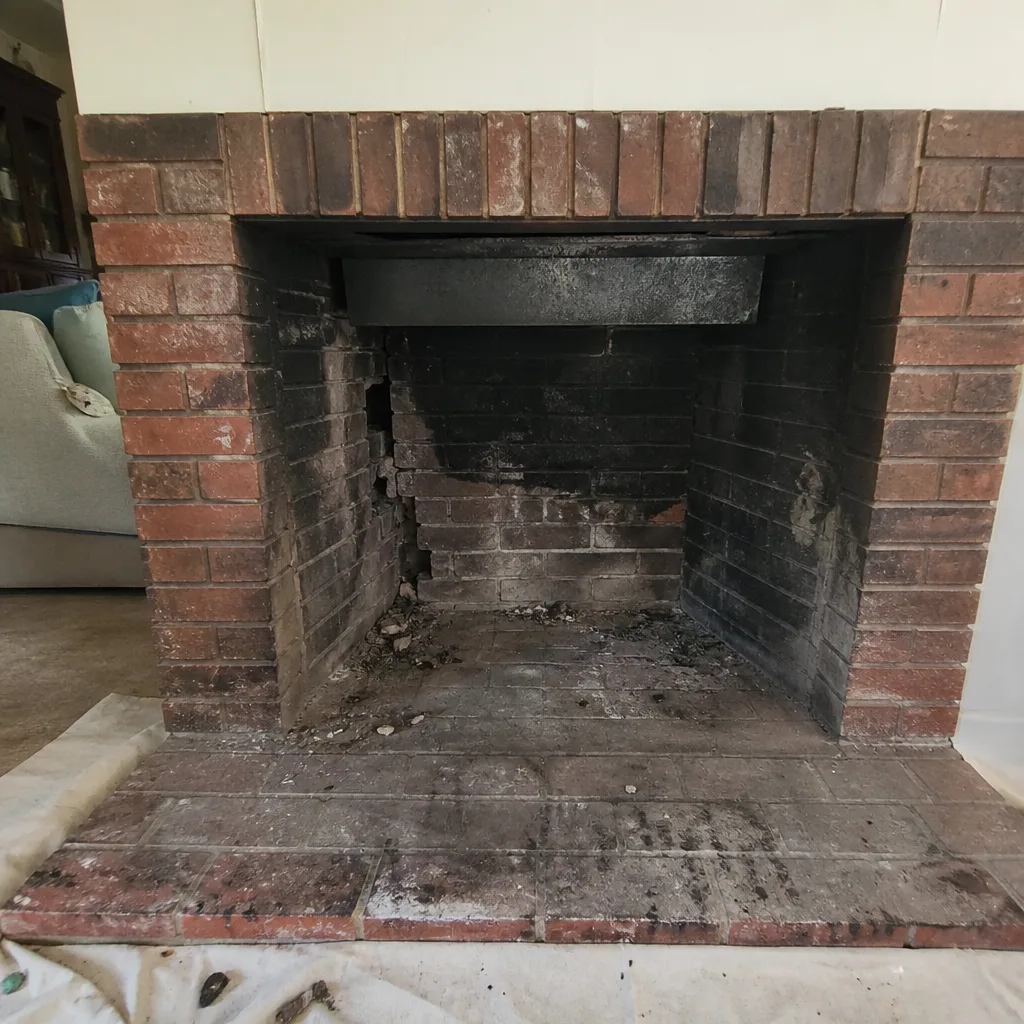 Before
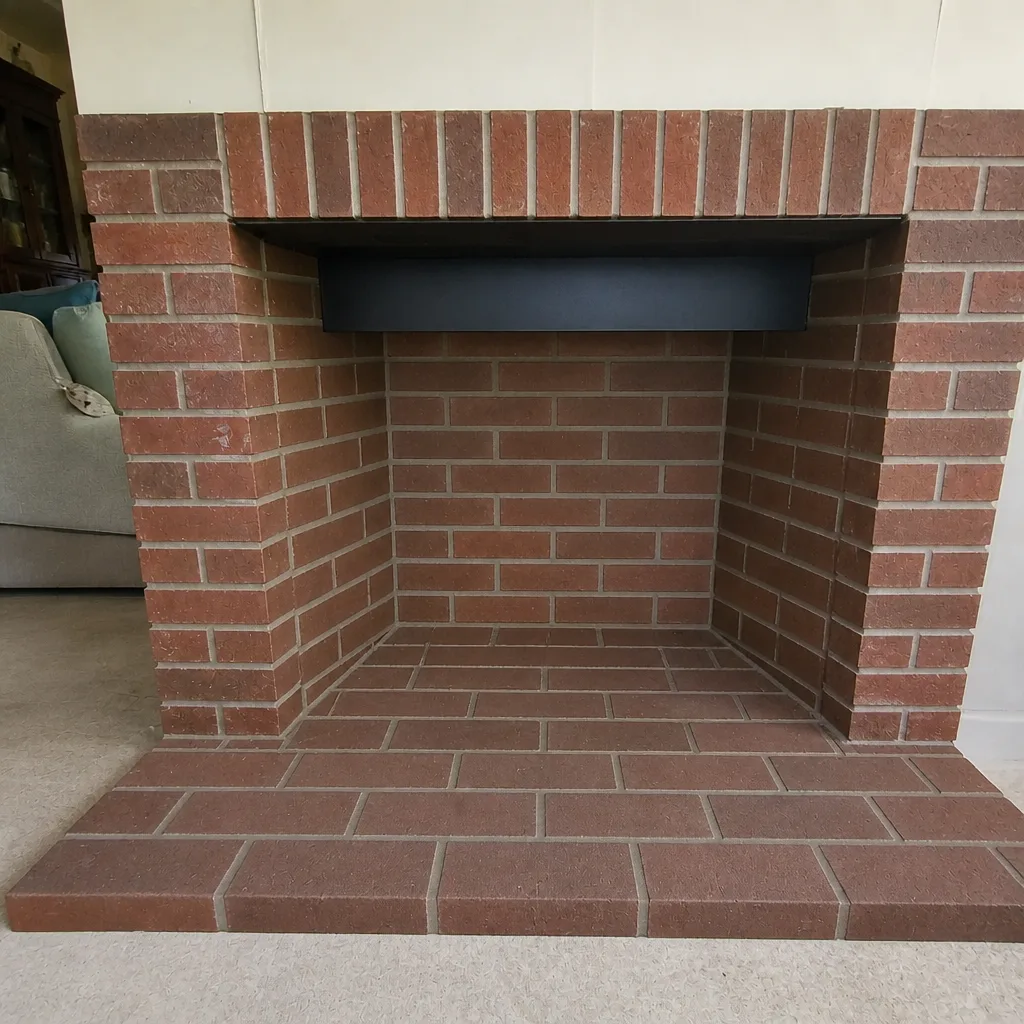 After
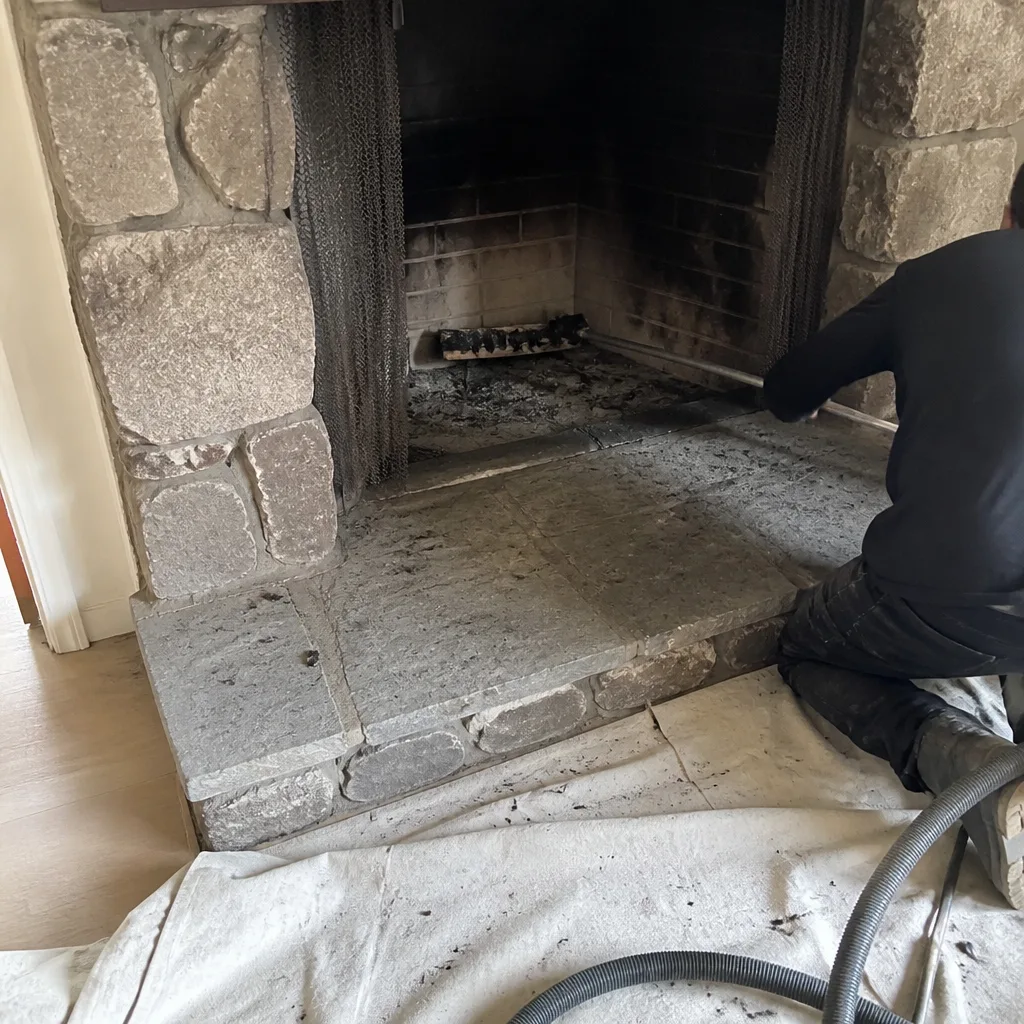 Before
 After
 Before
 After
When to Call a Professional
Call a professional when you’re ready to buy or sell, when you can’t remember the last time the chimney was inspected, or when a contractor has recommended structural work you can’t verify. Also call if you’ve moved into a Concord home where the previous owner’s chimney history is unknown, or if you’re considering an insert or a gas conversion and need an assessment of the existing venting first. Our technicians have up to experience and we inspect, repair, and document under one company, which keeps every recommendation traceable to a photo report rather than a sales pitch. Stallion Chimney Sweep offers free estimates in Concord, so call (833) 434-1221. We answer 24/7. Fast dispatch from 7am to 7pm, Sunday through Friday.
Frequently Asked Questions
No. Chimney cleaning and routine inspections do not require a permit in Concord. A permit becomes necessary when the work involves modifying, replacing, or structurally altering any part of the chimney system, including the liner, crown, firebox, or factory-built venting. Call (833) 434-1221 for an exact quote on a sweep or inspection.
Yes, in nearly every case. A liner replacement modifies the venting system, which brings it under California Residential Code and the permit requirements enforced by the City of Concord’s building department. The permit should be pulled by the contractor performing the work, not by you, and you should confirm the permit number in writing before work begins. Call (833) 434-1221 to discuss a reline and what the paperwork involves.
Once a year for a wood-burning fireplace in regular use, and more often if you burn frequently or burn unseasoned wood. A gas appliance still benefits from an annual inspection even though it doesn’t produce creosote. For a Concord home that’s new to you, start with an inspection no matter what the previous owner told you. Call (833) 434-1221 to schedule an assessment.
It surfaces during a home inspection, and it usually triggers a request for further evaluation or a repair credit. The underlying concern is that the work may not meet code, and that the permit history is missing. Insurance underwriting for the buyer can also factor in. Resolving it before listing is almost always simpler than resolving it mid-transaction. Call (833) 434-1221 and we’ll inspect and document what’s actually there.
It confirms the permitted work matches the approved scope and meets applicable code, including clearances to combustibles, material compliance, and structural finish. It does not evaluate creosote condition or drafting performance, and it’s not a substitute for a Level 2 chimney inspection. The contractor who pulled the permit typically schedules it on your behalf. Call (833) 434-1221 if you want a separate professional inspection to accompany the permit process.
Sometimes, yes. In qualifying cases we use the HeatShield ceramic resurfacing system to restore a deteriorated flue interior without full liner replacement. Whether your chimney qualifies depends on the extent of the damage, which we confirm with camera inspection before recommending anything. If a full reline is needed, we install DuraFlex stainless liner systems instead. Call (833) 434-1221 for an inspection and a written estimate that shows you the evidence.
The Bottom Line
In Concord, cleaning and inspection are permit-exempt. Structural work isn’t. Liner replacement, crown reconstruction, firebox rebuilding, and any structural change to a factory-built system all fall under California Residential Code and NFPA 211, and they need a permit pulled by the contractor before work begins. Unpermitted work isn’t a paperwork quibble; it’s a claim risk and a closing risk. Verify the permit in writing, ask for a photo report, and hire one company to inspect, clean, and repair so the recommendation traces back to evidence you’ve seen. Written by the team at Stallion Chimney Sweep.
If you’ve been told you need structural chimney work in Concord and you can’t verify what was found, call (833) 434-1221 for a free estimate. We’ll inspect first, show you the photos, and tell you plainly what needs a permit and what can safely wait. We answer 24/7. Fast dispatch from 7am to 7pm, Sunday through Friday.
Written by the team at Stallion Chimney Sweep.