
Last updated November 15, 2026
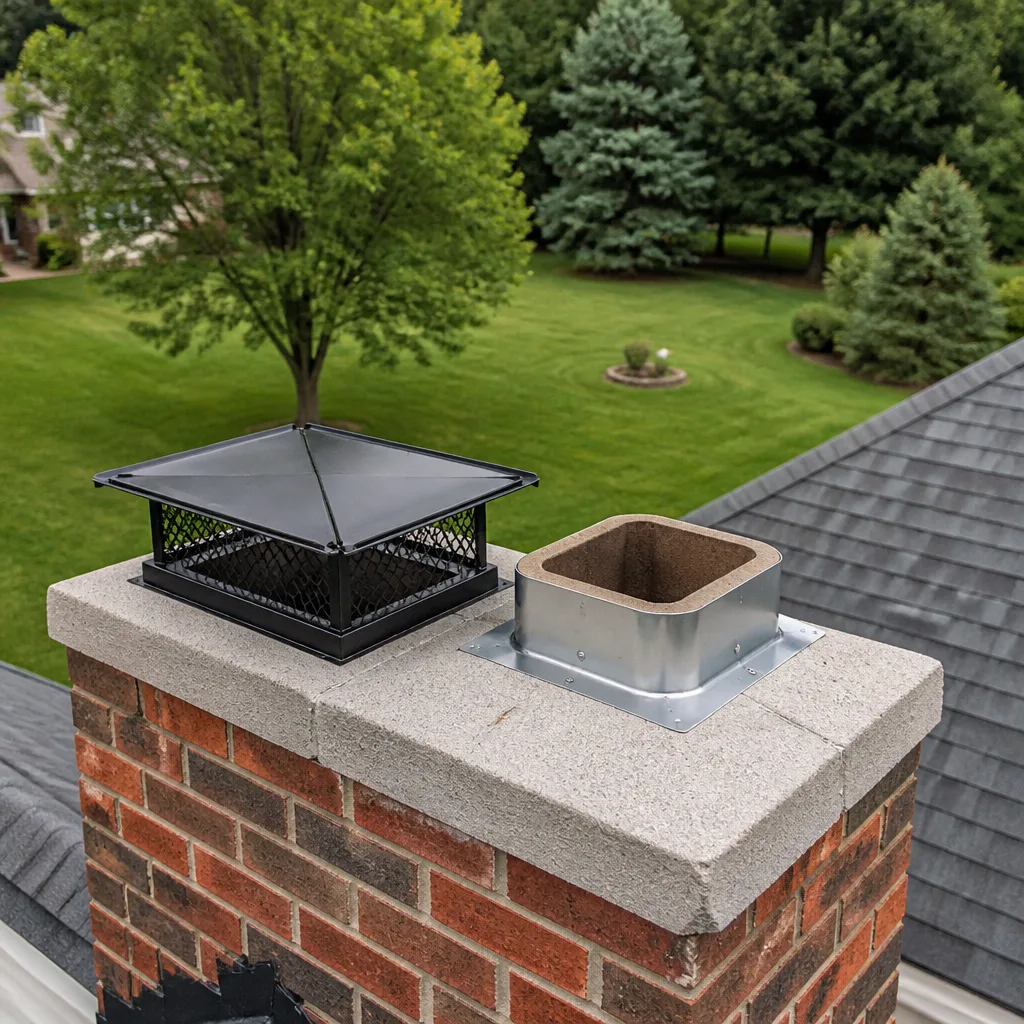 Sweep & inspection
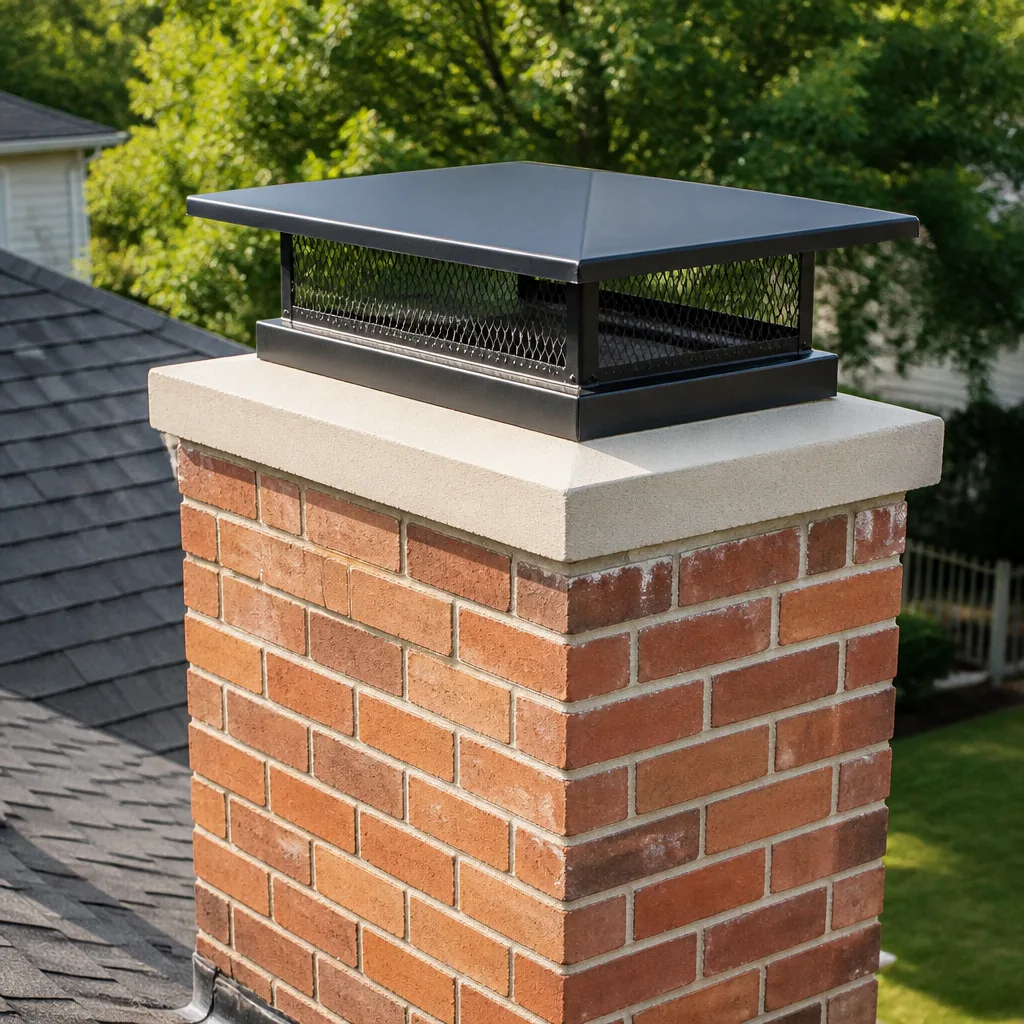 Caps & crowns
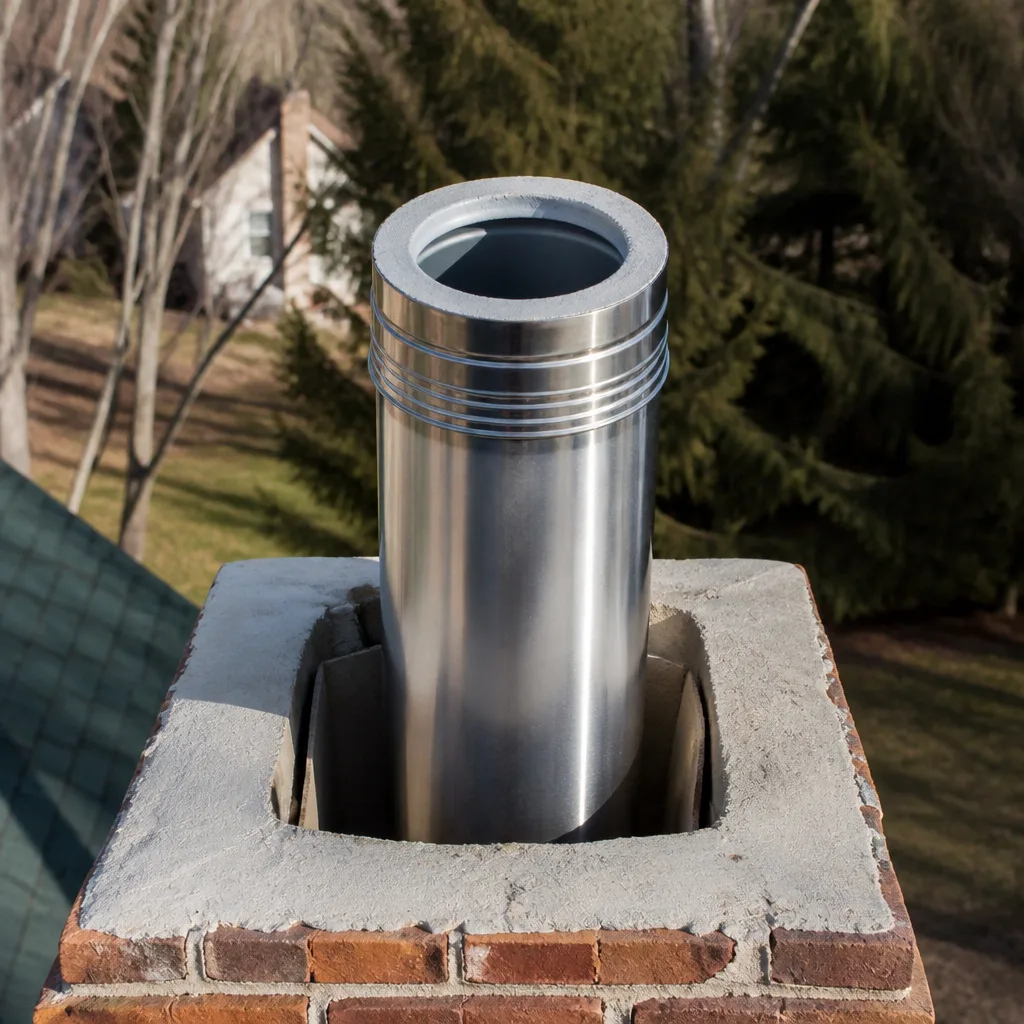 Flue relining
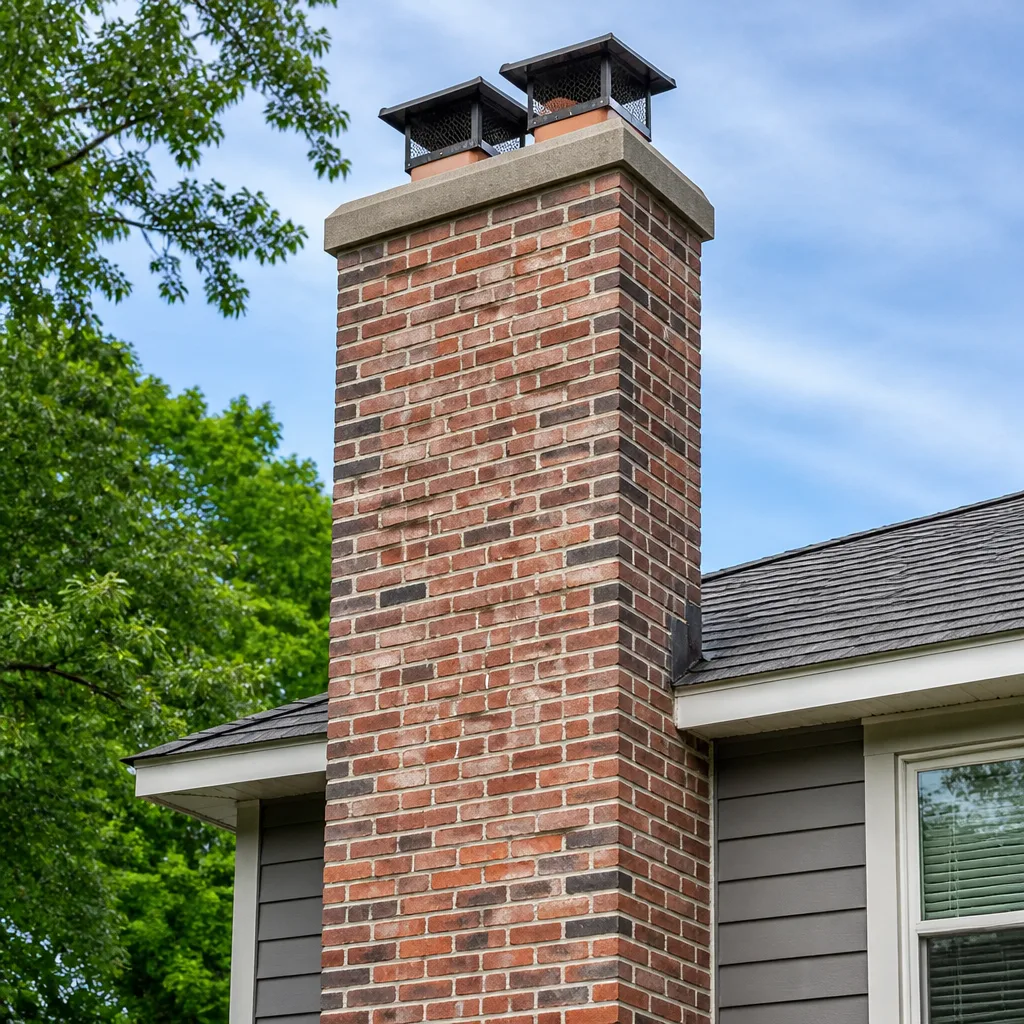 Masonry repair
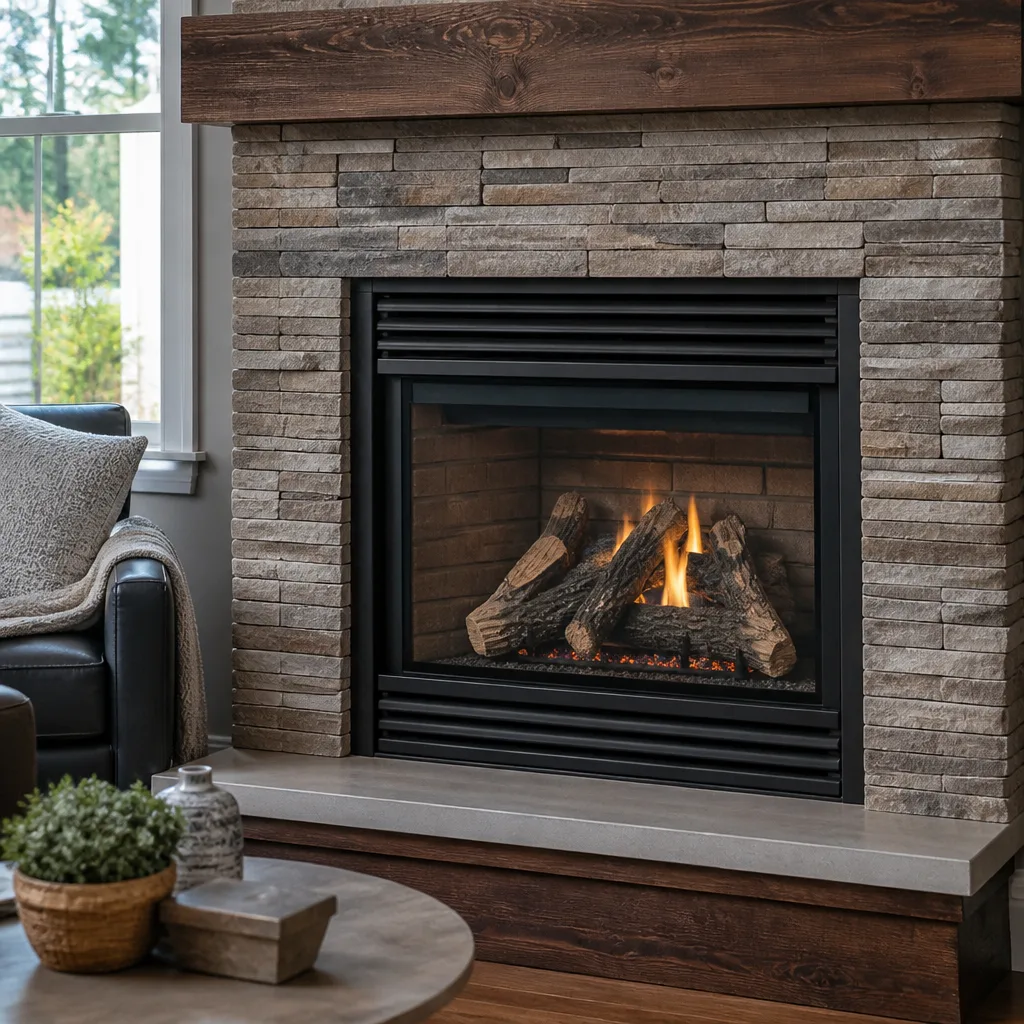 Gas fireplace service
Level 1 sweep and inspection to the NFPA 211 annual standard - flue, crown, cap, and flashing checked and photographed
Chimney sweep logs do not sweep chimneys. They loosen some creosote - which then falls where a brush and vacuum still have to collect it.
Chimney Cleaning Cost Breakdown: The Concord Homeowner’s Reference for 2026
The $99 cleaning coupon is real. On a lightly used wood fireplace with a thin, dry creosote glaze and a straight flue, that price can buy you a genuine Level 1 cleaning. It’s also the wrong service entirely for a gas insert with an oversized flue, a home with Stage 2 creosote, or a chimney that hasn’t been touched in four years. Pricing in Concord runs from roughly $80 to well over $1,200 for legitimate work, and the gap comes down to scope, not honesty. This guide breaks down what actually drives the number on your quote so you can read any bid with confidence.
Quick Answer
A standard chimney cleaning in Concord typically runs $150 to $400 for a wood-burning masonry or prefab system, less for a lightly used gas insert and more for a pellet stove or heavy creosote. A quote should include a visual inspection and a written report; anything above the base price should be explained line by line, not bundled into a surprise. If a bid comes in far below the local range, check what it leaves out before you book it.
Styles & brands we work with
- Sweep & inspection
- Caps & crowns
- Flue relining
- Masonry repair
- Gas fireplace service
Table of Contents
- What actually drives chimney cleaning cost in Concord
- Cost by system type: masonry, prefab, gas insert, pellet
- What inspection tier belongs in a standard cleaning quote
- How creosote stage changes the price
- How to spot a lowball quote
- Repair cost benchmarks for the problems cleaning uncovers
- Questions to ask before you book any sweep
What actually drives chimney cleaning cost in Concord?
Chimney cleaning price in Concord moves on four variables: flue length, the stage of creosote inside it, the type of system attached to it, and what the technician finds when they get a camera up there. Two homes on the same block can see a 3x difference in price for reasons that are entirely legitimate. We tell homeowners to think of a sweep the way they’d think of a dental cleaning: the base fee gets you in the chair, and what’s underneath the surface sets the rest.
The first driver is flue length and access. A single-story ranch with a straight exterior masonry stack is fast to sweep. A two-story home with an offset flue and a screened cap at the top takes longer to set up, brush, and inspect, and that labor shows up in the line item. Roof pitch and access matter too. A steep roof or a chimney boxed in by a tight roofline means the technician works from the top with extra care and time.
The second is creosote. Thin, dusty, dry creosote brushes out in a pass or two. Glazed, tarry creosote that has bonded to the flue wall takes mechanical work and possibly a chemical pre-treatment to break it loose. The third is system type, which we’ll cover in detail below. The fourth is what’s actually inside the chimney.
Concord sits in a mild-winter climate, which shapes this more than people expect. Homes here burn fewer cords than a mountain town, but the shoulder seasons encourage short, cool, smoldering fires, and those are what produce glazed creosote rather than dry soot. A Concord chimney burning two cords a year can build harder deposits than a cold-climate chimney burning four cords hot and fast. That’s why we don’t price a sweep off a coupon flat rate. The flue tells us what it needs.
If you want the single most useful number to hold onto, it’s this: a legitimate cleaning line item in Concord should sit between $150 and $400 for a standard wood-burning system, with a photo report and a visual inspection included. Everything above that needs to be explained to your satisfaction before anyone starts.
Cost by system type: masonry, prefab, gas insert, pellet
The system attached to your flue changes the labor, the tools, and sometimes the entire scope. A wood-burning masonry chimney, a factory-built prefab, a gas insert, and a pellet stove each require a different approach, and the price difference between them is honest, not arbitrary. Here’s how each breaks down in the Concord market.
Wood-burning masonry chimney
This is the classic brick-and-mortar stack with a clay tile liner. Cost typically runs $180 to $350 for a standard cleaning on a lightly to moderately used system. The technician brushes the full flue, clears the smoke shelf, removes the damper if it’s blocking access, and hauls out the soot. Masonry chimneys get more expensive when the tile liner is cracked, because the technician has to document that and the repair becomes a separate conversation.
Wood-burning prefab (factory-built)
A prefab metal chimney with a stainless inner liner runs $150 to $300 for a standard cleaning. In our experience these systems brush faster than masonry because the inner wall is smoother and the flue is often straighter. The catch is that prefab liners are thinner and more easily damaged, so the technician has to use the right brush size and material. A rotary brush run at the wrong speed on a prefab liner can score the stainless. This is exactly where professional-grade equipment matters, which we cover below.
Gas insert
A gas insert or gas log set runs $120 to $250. At first glance this seems like it should be the cheapest option since there’s no wood smoke, but the reality is more interesting. Gas appliances produce acidic condensation, and the flue still needs to be checked for corrosion, bird nests, and blocked venting. Oversized flues on gas inserts cool down too fast and vent poorly, which is a common issue on larger residences. A gas cleaning is short but the inspection matters just as much as it does on a wood system.
Pellet stove
A pellet stove runs $200 to $450 for a full cleaning. Pellet appliances have exhaust passages, a combustion blower, and a vent that all need attention, and the fine ash that collects in them is a different animal than wood soot. A thorough pellet cleaning takes longer and uses different tools, which is why the price sits above a wood fireplace.
Cost by system summary
- Wood-burning masonry: $180-$350 typical for a standard cleaning
- Wood-burning prefab: $150-$300 typical
- Gas insert: $120-$250 typical
- Pellet stove: $200-$450 typical
- Heavy creosote surcharge: add $100-$300+ depending on stage and flue length
- Animal nest removal: add $75-$250
These are typical ranges, not fixed prices. The written estimate you receive sets the final number for your home in Concord, and it should reflect your actual flue, not a menu rate.
What inspection tier belongs in a standard cleaning quote?
A standard cleaning quote should include at least a Level 1 inspection, which is a visual check of the readily accessible parts of the chimney and venting system. If a quote doesn’t mention inspection at all, that’s a red flag. If it mentions inspection but not what level, ask before you book. The chimney inspection is the whole reason a cleaning is more than a scrubbing job.
The industry recognizes three inspection levels, and they differ meaningfully:
- Level 1 inspection: A visual check of accessible components while the appliance is in normal service. This is the appropriate baseline when you burn regularly and nothing has changed. It belongs in the price of a routine cleaning.
- Level 2 inspection: Everything in Level 1, plus a video camera scan of the internal flue and any accessible attics, crawlspaces, or joist areas. This is required for a change in the system, a new appliance, a real estate transaction, or after a chimney fire. It’s usually a separate line item, often $150 to $400 depending on system complexity.
- Level 3 inspection: Everything in Level 2, plus the removal of building components to access areas that can’t be reached otherwise. This is rare and only happens when a serious defect is suspected. It’s quoted per job.
For Concord homeowners, a Level 1 inspection included in a routine sweep is the right baseline. A camera scan is the right move when you’ve just bought the house, when you’re switching fuel types, or when the technician finds something at the top of the flue that warrants a closer look. If a sweep crew hands you a list of thousands of dollars in recommended repairs without a camera inspection and a photo report, ask to see the evidence before agreeing to anything. Nothing should be recommended without something you can look at yourself.
This is where a single-crew setup earns its value. When the same team that sweeps also runs the camera and writes the report, there’s no hand-off and no conflicting diagnosis. You get one assessment and one scope. At Stallion Chimney Sweep, the crew that inspects is the crew that repairs, which removes the gap where a diagnosis gets lost in translation between two companies. We tell you what we found, show you why it matters, and fix it with the right material for the job. That’s how a chimney sweep should operate in any market, and it’s the standard we hold in Concord.
How creosote stage changes the price
Creosote is the tar-like residue that condenses inside a chimney when wood smoke cools before it reaches the top. It builds in three recognized stages, and the stage is the single biggest reason a cleaning quote moves from the base range into premium territory. Understanding the three stages helps you read your own quote accurately.
- Stage 1 – soot and dusty creosote: Thin, flaky, brushes off easily. Standard cleaning range. This is the $150-$350 tier.
- Stage 2 – hardened, crusty, bonded creosote: Stuck to the flue wall, resistant to a standard brush. Usually requires mechanical agitation, a rotary brush, or a chemical pre-treatment. Add $100-$300 to the base price.
- Stage 3 – glazed, tarry, fuel-rich creosote: The most severe stage. It looks like hardened tar or glass and can require chemical treatment, a rotary head, or in severe cases a full liner replacement. Add $300 or more, and possibly a separate repair estimate.
Stage 3 creosote is the leading cause of chimney fires, and it’s why the sweep is not a cosmetic service. In a mild-winter market like Concord, that trapped, smoldering style of burning produces Stage 2 and 3 faster than people expect. It’s not unusual for a homeowner who runs the fireplace from November through February with poorly seasoned wood to end up with bonded creosote that costs double the base cleaning price to remove. That’s the number to understand before you agree to a coupon-first booking.
The most reliable way to know your creosote stage before a technician arrives is the same way they’ll know it when they get there: a visual inspection of the flue. If you haven’t had a chimney repair or cleaning done in several seasons, assume Stage 2 at minimum and budget for the mid-range of the cleaning quote. You’d rather be pleasantly surprised than hit with a surprise line item.
How to spot a lowball quote
A low price is not the same thing as a good value, and in chimney work the two are frequently in opposition. Some lowball quotes are genuinely competitive; others are missing the inspection, the report, or the right tools, and the savings show up later as a bigger bill. Here’s how to tell which is which.
- The quote doesn’t mention inspection. A cleaning that excludes the visual inspection is incomplete work. The sweep should always be paired with a look at what’s inside the flue.
- No photo report is offered. Ask. A professional chimney company documents what they found. A coupon crew that won’t show you a picture of your flue is asking you to trust an unseen recommendation.
- Consumer-grade rotary tools. A $40 hardware-store rotary brush on a corded drill is not the same as professional-grade equipment. The difference matters because a low-quality rotary tool can score a prefab liner or crack tile in a masonry chimney. Professional-grade materials and tools aren’t marketing – they’re the reason a sweep doesn’t damage what it’s cleaning. This is why we use professional-grade brands across every job: DuraFlex liner systems for relining, HeatShield ceramic resurfacing for restoring cracked flue interiors without a full replacement, and Gelco and Famco caps and venting for the components that face the weather.
- The price is well under the local range and the scope is vague. In Concord, a legitimate cleaning rarely comes in under $120, and it usually sits above $150. A $59 quote usually means a Level 0 inspection and a quick pass with a brush.
- No written estimate. Every quote should be written down before work begins, with the scope broken out. If you’re told a price verbally and asked to approve additional work that appears mid-job, ask what changed and see the evidence.
- Fear-based urgency. “Your chimney is a fire hazard, we need to fix it today” is a pressure tactic. A real defect can usually be documented and scheduled. If the recommendation is genuinely urgent, the technician should be able to show you why on camera before asking for a decision.
None of this means the highest bid is the right one. It means the quote should match the scope, and the scope should match what’s actually in your flue. If you’ve been told you need thousands of dollars of liner or masonry work and you have no way to verify it, slow down. Ask for the camera footage. Ask for the photo report. Ask what happens if you wait a season. A professional will answer all three without hesitating.
Repair cost benchmarks for the problems cleaning uncovers
Cleaning is the service that reveals the repair work, and in Concord the most common repair discoveries are the components that face the weather. Here are typical benchmarks for the four most frequent findings so you can recognize a reasonable quote when you see one.
Chimney cap replacement
A chimney cap is the metal or mesh cover at the top of the flue that keeps rain, animals, and debris out. It’s the most commonly replaced fitting on a Concord chimney because it takes the full weather exposure. Typical cost is $200 to $500 installed, depending on the size and material. We use Gelco and Famco caps rated for long-term exterior weathering. A missing or rusted cap is worth fixing during the same visit as the cleaning, since the technician is already at the top of the flue.
Crown recoating
The crown is the concrete slab at the top of the chimney that sheds water away from the masonry. A cracked crown lets water into the brick and mortar, which is where bigger problems begin. Recoating a failing crown typically runs $300 to $700. A small hairline crack can sometimes wait; a crown with visible separation or crumbling concrete cannot, because the eventual repair is much larger.
Damper repair
The damper is the metal plate inside the firebox that seals the flue when the fireplace isn’t in use. A damper that’s stuck open, rusted shut, or missing entirely costs $200 to $600 to repair or replace. A stuck damper is one of the most common findings in a home that hasn’t been serviced in a few years, and it directly affects how well the fireplace burns.
Minor tuckpointing
Tuckpointing is the repair of the mortar joints between bricks. Small areas of failed mortar in the firebox or on the chimney exterior typically run $250 to $800, priced by the square foot of repair. Larger areas scale up from there. In a mild climate like Concord’s, the freeze-thaw damage that destroys chimneys in cold country is much less of an issue, so serious masonry deterioration is less common here than it is in mountain towns. That means small tuckpointing jobs are more likely to stay small if you catch them early, which is one more reason to have the chimney looked at before the burning season starts.
These repair ranges are typical estimates. The written estimate on your home sets the final price. When a repair is quoted, ask two things: what evidence supports the recommendation, and whether the repair is safe to defer for a season. Both questions have real answers, and a professional will give them without pressure. Stallion Chimney Sweep handles the sweep, the inspection, and the repair with the same crew, so there’s no referral scramble when a cleaning uncovers a cracked crown or a bad cap. If the repair can wait, we say so.
Questions to ask before you book any sweep
The best defense against a bad quote is a short list of questions asked before the appointment is scheduled. A professional company will answer all of these without hesitation. A coupon crew often won’t. Here are the six that matter most.
- Does the price include an inspection and a written photo report? The answer should be an unqualified yes for the inspection and the report, at whatever level is appropriate for your system.
- What tools do you use, and are they appropriate for my liner? Masonry and prefab liners require different brushes. A company that can’t answer this is guessing.
- Who does the repair if something’s found? The answer you want is “we do.” A company that hands off the repair to a third party introduces a gap in accountability and possibly a conflicting diagnosis.
- Are you licensed and insured? Ask for the answer in writing. Insurance is not optional in chimney work.
- What brands do you install? A company that names professional-grade brands like DuraFlex, HeatShield, Gelco, Famco, Olympia Chimney, or Copperfield is sourcing from the same suppliers career chimney professionals use. A company that doesn’t know the difference is buying whatever’s on the shelf.
- What’s your guarantee, and what does it cover? A workmanship guarantee on the sweep and a warranty on installed components should be stated clearly.
Ask them in a single phone call. It takes five minutes and tells you more about the company than any coupon on a mailer. If a quote feels off after you’ve asked, it probably is. The right Stallion Chimney Sweep for your home is the one that answers all six questions in plain language.
Common Mistakes to Avoid
- Buying the coupon without checking the scope. The $99 cleaning can be real work on a lightly used fireplace, but it’s the wrong service for a gas insert, a heavy creosote situation, or a system that hasn’t been touched in four years. Confirm what’s included before you book.
- Accepting a repair quote without seeing the evidence. A photo report and a camera scan are the difference between a recommendation you can verify and an upsell you can’t. Ask to see the footage before you approve the work.
- Assuming the fireplace is “lightly used” because you burn few cords. In Concord’s mild climate, the short, smoldering shoulder-season fires produce hard creosote faster than a hot-burning cold-climate chimney does. Fewer cords doesn’t mean less buildup.
- Letting a small crown crack sit through the rainy season. A hairline crack is cheap to recoat. A crown that’s been leaking for a year is a masonry repair. Concord’s wet winters are the reason to catch it early, not a reason to postpone.
- Hiring a sweep crew that doesn’t do repairs. When the cleaning uncovers a cracked cap or a failing damper, you want the same crew to handle it. Hand-offs create gaps and conflicting diagnoses.
- Skipping the inspection to save time. The sweep is the look at what’s inside the flue. Getting the flue brushed without looking at it is like getting an oil change without checking the filter. The report is the point.
- Using consumer-grade tools on a prefab liner. A $40 rotary brush can score a stainless liner and turn a $200 cleaning into a $2,500 relining. Ask what equipment the company uses before they touch your flue.
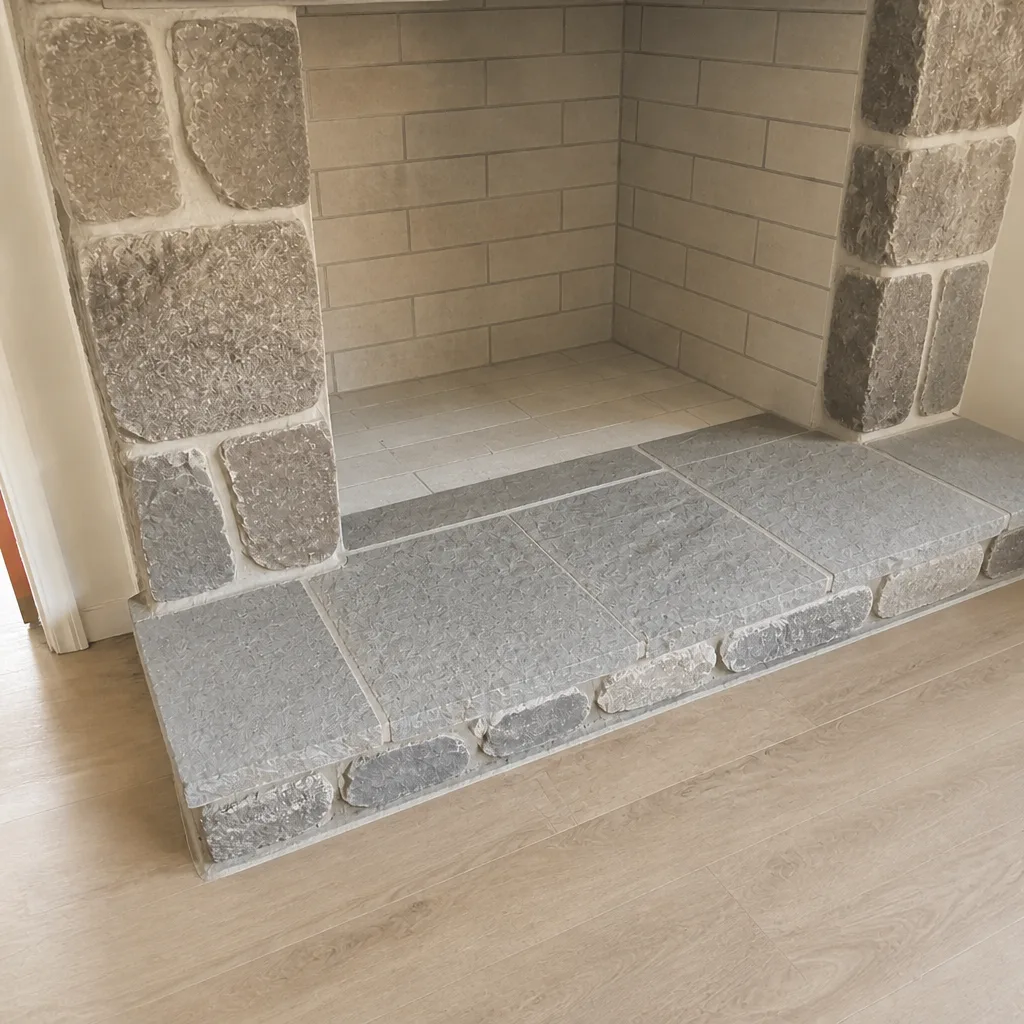
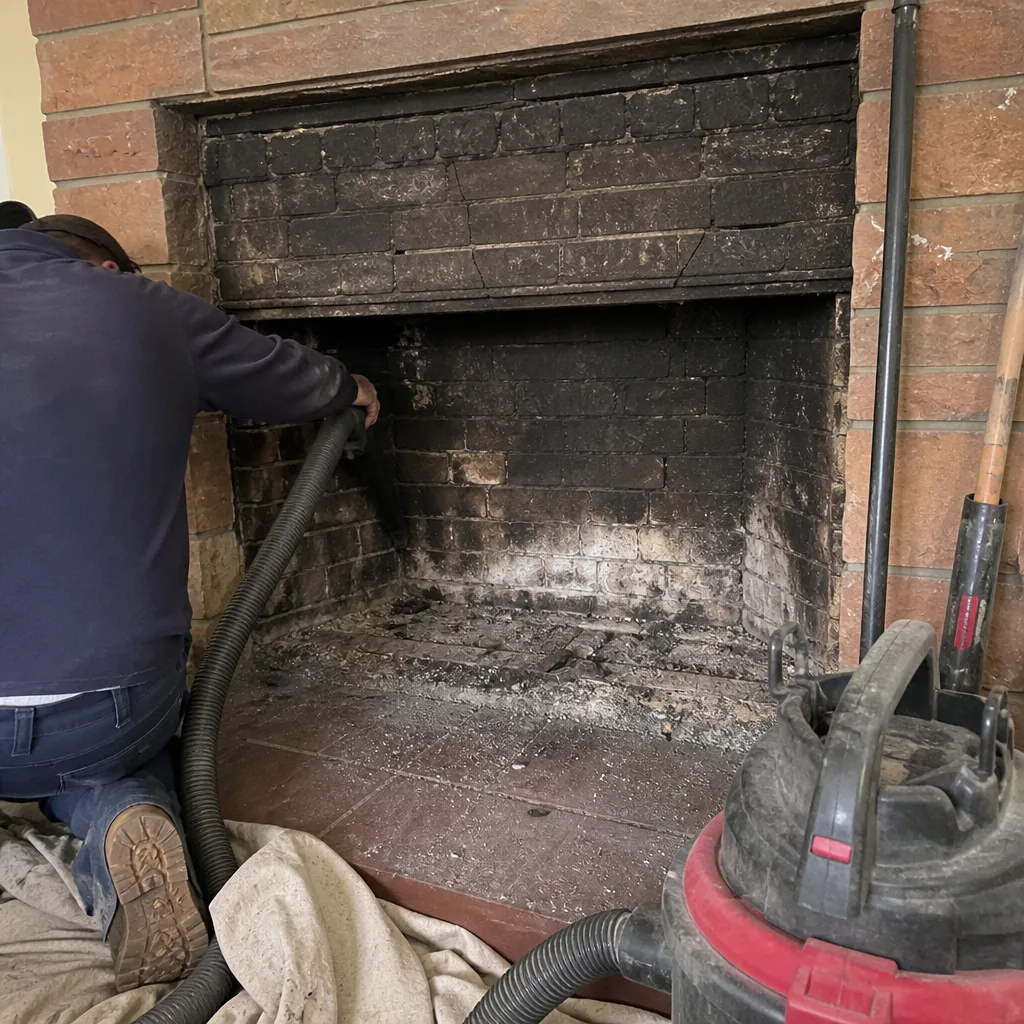
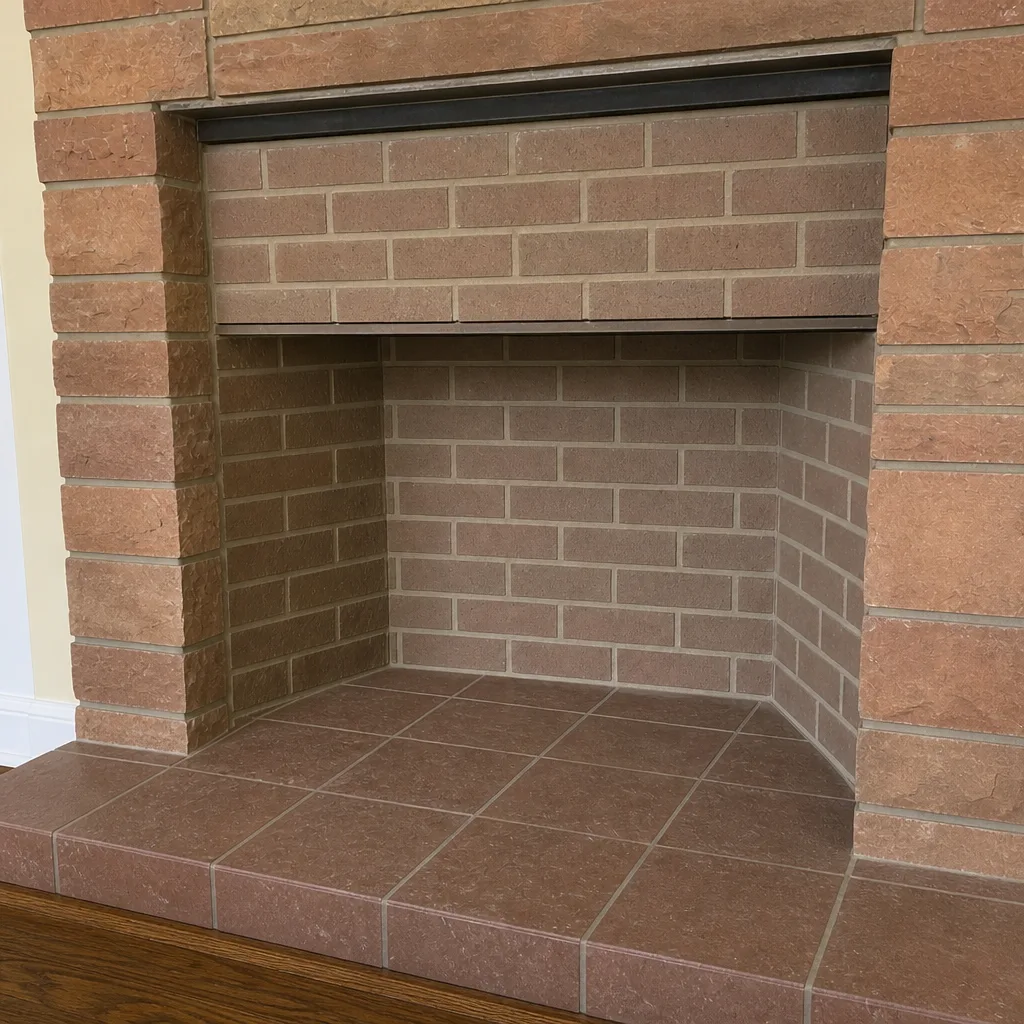
See the difference
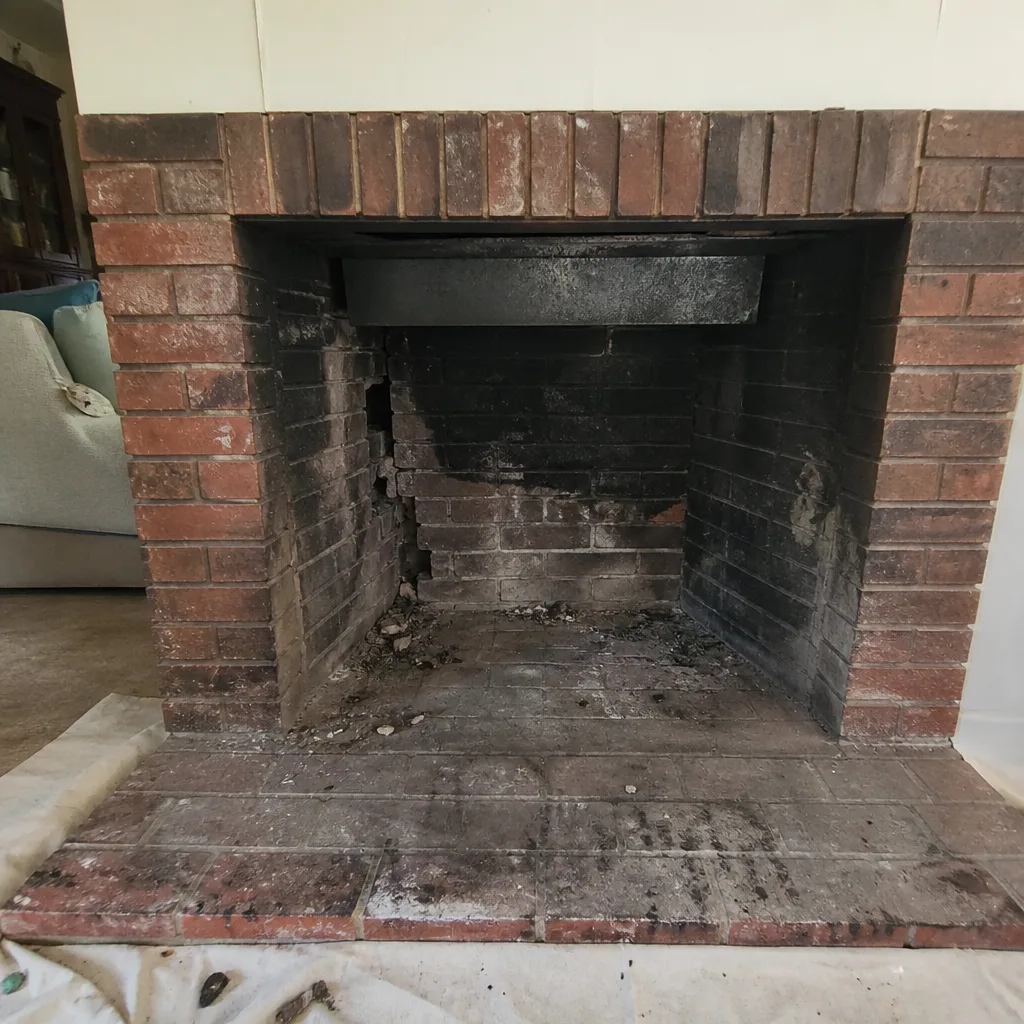 Before
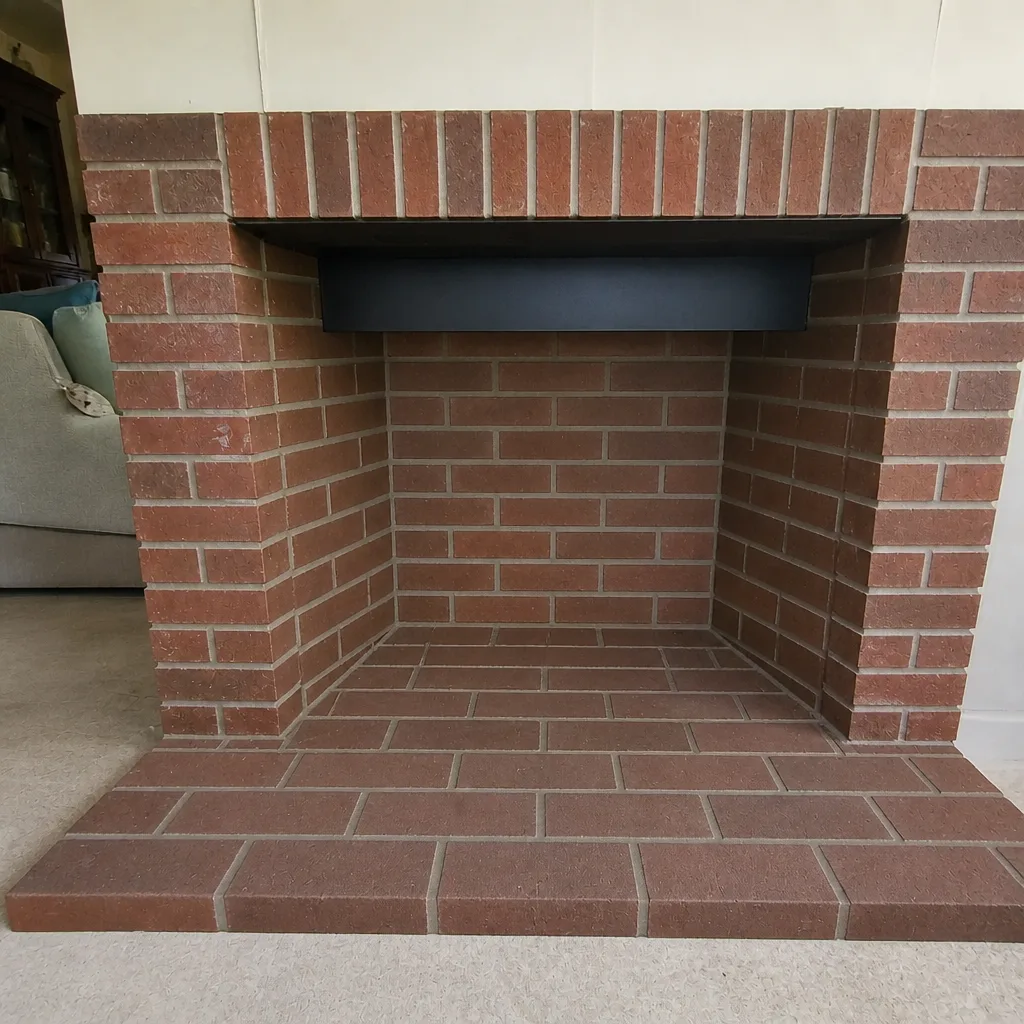 After
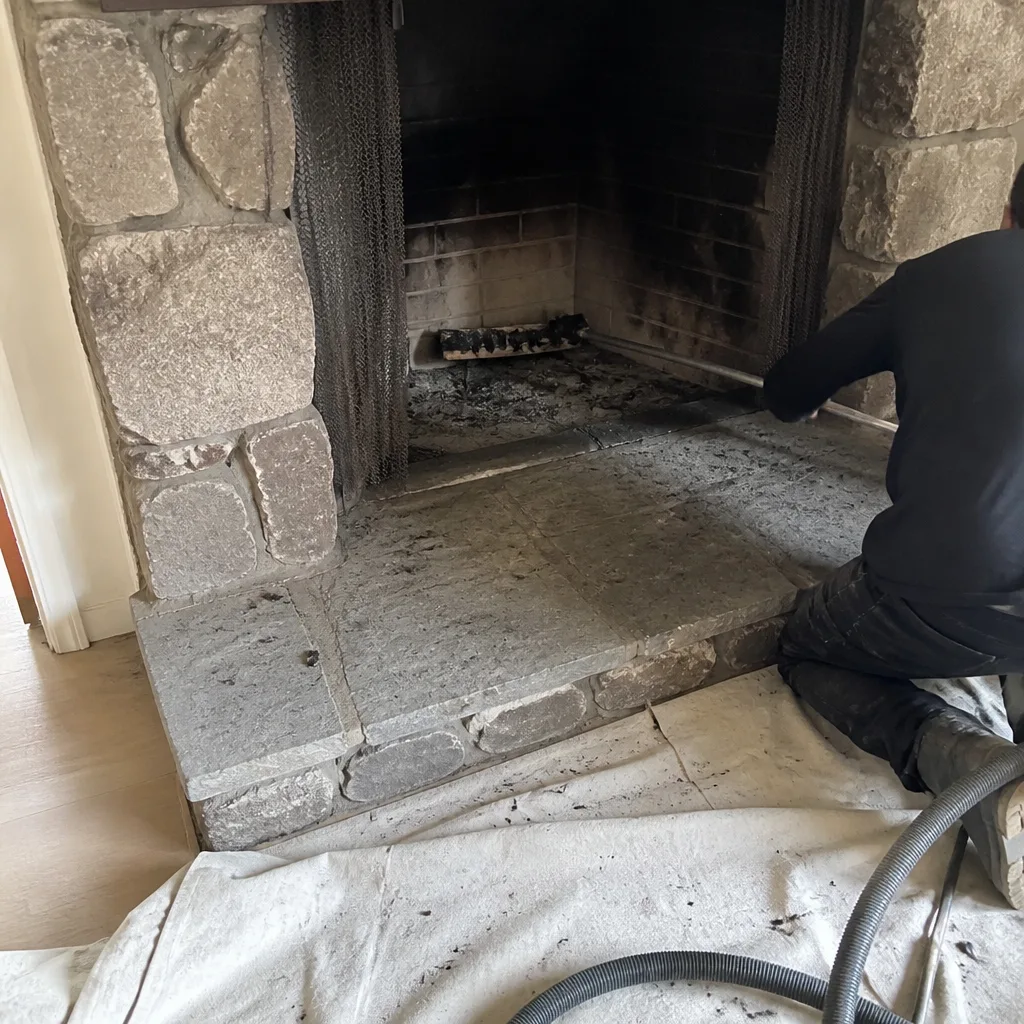 Before
 After
 Before
 After
When to Call a Professional
Some chimney work is not a do-it-yourself job. Any amount of glazed, tarry creosote is a fire risk that requires trained removal. A cracked or spalling flue liner needs a documented assessment, not a flashlight and a guess. A cracked crown, a failed damper, or missing mortar in the firebox all warrant a professional look. Gas appliance venting is a carbon monoxide concern and should never be inspected by anyone without the right training. If you’re not sure whether your situation qualifies, err on the side of a call.
Concord homeowners don’t need a reason to worry, they need a clear diagnosis. A professional will tell you what they found, show you why it matters, and say plainly when the work can safely wait a season. That’s the standard we hold ourselves to. Stallion Chimney Sweep offers free estimates in Concord; call (833) 434-1221. We answer 24/7. Fast dispatch from 7am to 7pm, Sunday through Friday. Our technicians have up to experience, and every job starts with a look at what’s actually in your flue before any recommendation gets made.
Frequently Asked Questions
A standard chimney sweep in Concord typically runs $150 to $400 for a wood-burning masonry or prefab system, less for a gas insert and more for a pellet stove or a heavy creosote situation. The exact price depends on flue length, creosote stage, and what the inspection finds. Call (833) 434-1221 for an exact quote – estimates are free.
You only need a new liner if the existing one is cracked, spalled, or otherwise failing, and you should be able to see that for yourself on camera. Ask for the photo or video evidence before agreeing to any liner replacement. A legitimate recommendation will come with documentation you can review. If the company can’t show you the footage, don’t approve the work. Call (833) 434-1221 for a free estimate with the evidence included.
The general standard is once a year for a home that burns regularly, and that applies in Concord even with the milder winters. The reason is that short, cool shoulder-season burns produce more creosote than hot fires in a colder climate. If you burn only occasionally, have the flue inspected annually and swept when the inspector recommends it. Call (833) 434-1221 to schedule an assessment.
Skipped cleanings let creosote and soot build up until they become a fire risk, and they let small defects – a cracked crown, a failing cap, a rusted damper – turn into bigger repairs. The cost of catching a crown crack early is a fraction of the cost of rebuilding the chimney. Skipping it is not a savings, it’s a deferral. Call (833) 434-1221 for a free estimate and a clear picture of where your chimney stands.
It should. A standard cleaning quote includes a Level 1 visual inspection of the accessible chimney and venting system, plus a written report of what the technician found. A Level 2 camera inspection is usually a separate line item and is the right call after a home purchase, a fuel-type change, or any suspected defect. Ask before you book so there are no surprises. Call (833) 434-1221 with any questions.
Because materials and tools directly affect the price and the outcome. A consumer-grade rotary brush can damage a prefab liner and turn a cleaning into a relining job. We install DuraFlex flexible stainless liners, HeatShield ceramic flue resurfacing, and Gelco and Famco caps and venting, all sourced through professional wholesale channels like Olympia Chimney and Copperfield. The material standard is why the repair lasts and why the quote holds. Call (833) 434-1221 to talk through what your home in Concord actually needs.
The Bottom Line
Chimney cleaning prices in Concord range from under $100 for a lightly used fireplace to over $1,200 for a deep-cleaning with liner repair, and every legitimate quote in that range can be explained. The variables that matter are flue length, creosote stage, system type, and what the inspection finds. A standard cleaning runs $150 to $400 with a visual inspection and report included. Repair benchmarks sit at $200 to $500 for a cap, $300 to $700 for a crown recoat, $200 to $600 for a damper, and $250 to $800 for minor tuckpointing. A quote that can’t name its scope, show its evidence, or explain its price is a quote worth walking away from. Ask questions, ask for the camera footage, and trust the company that answers both without hesitating.
Call (833) 434-1221 for a free estimate. We answer 24/7. Fast dispatch from 7am to 7pm, Sunday through Friday. We’re closed Saturday.
Written by the team at Stallion Chimney Sweep.