
Last updated November 15, 2026
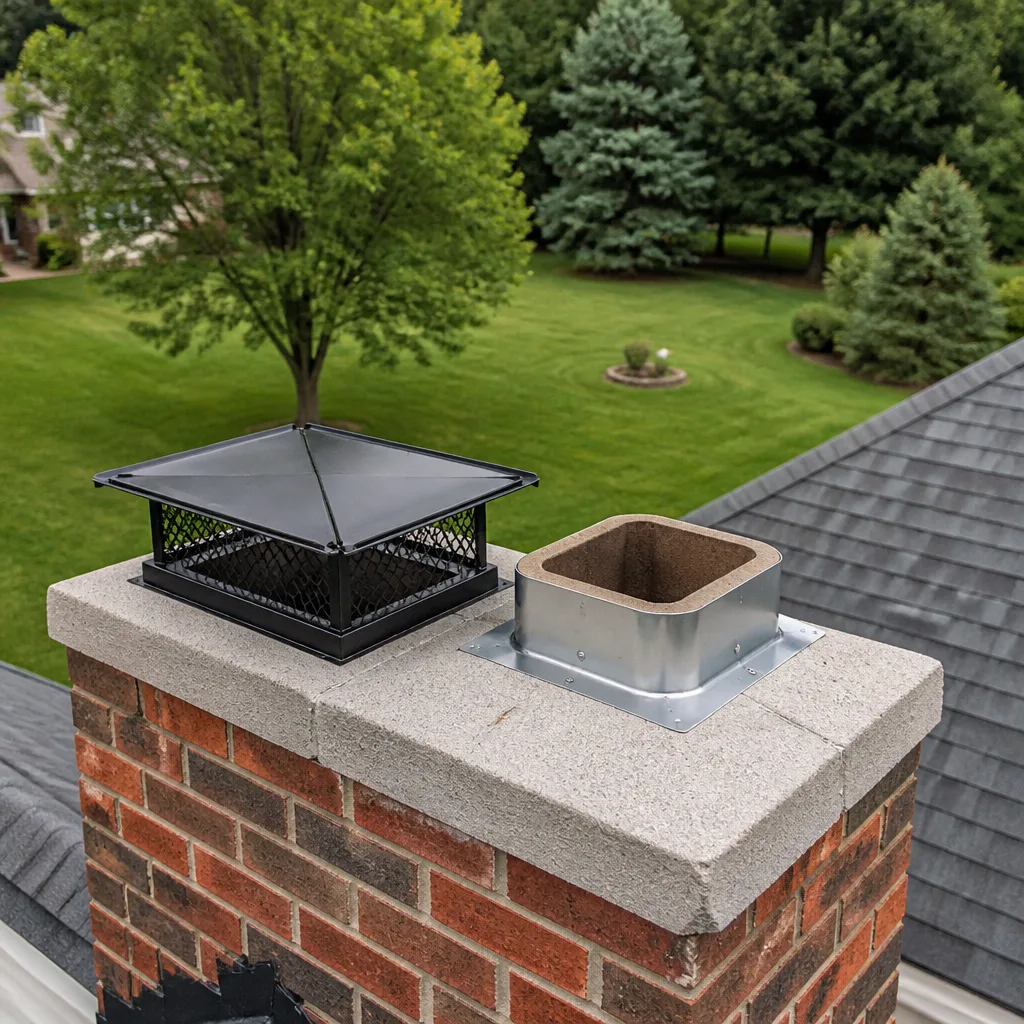 Sweep & inspection
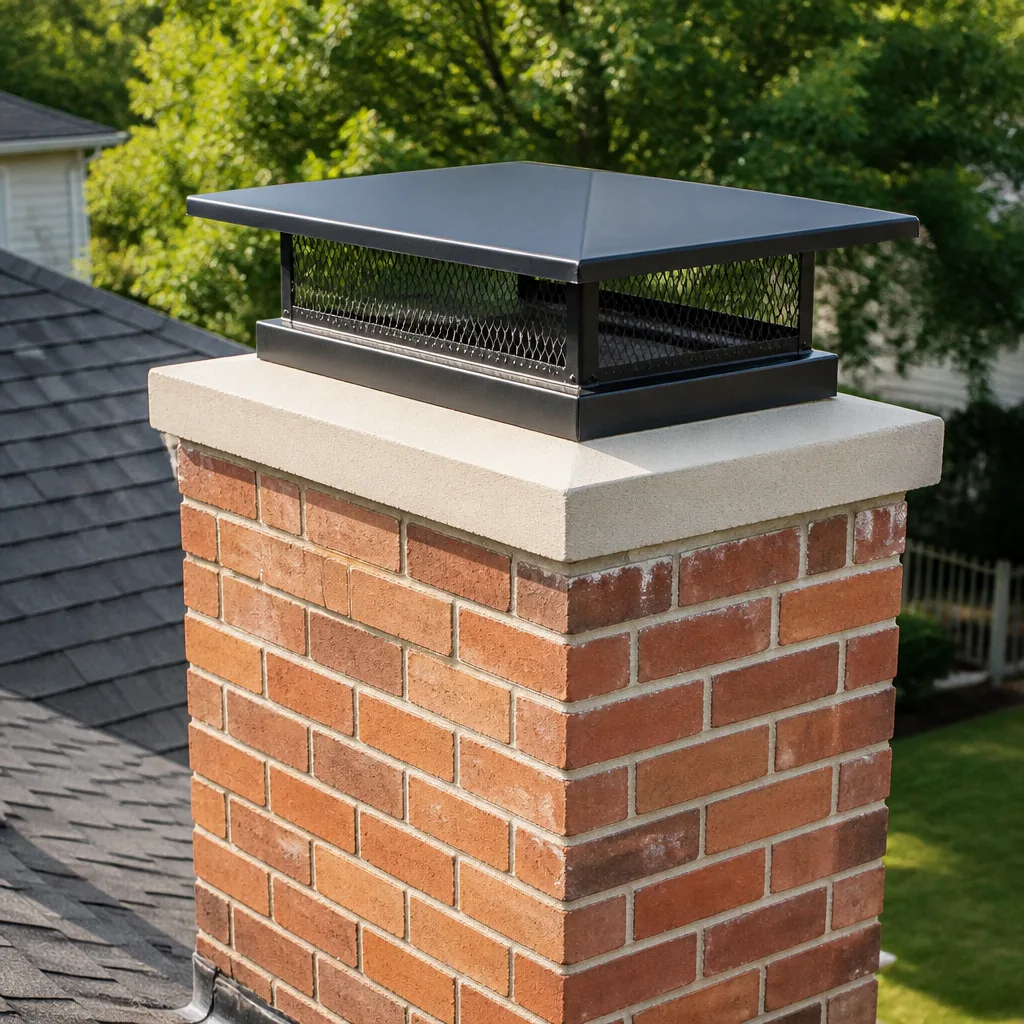 Caps & crowns
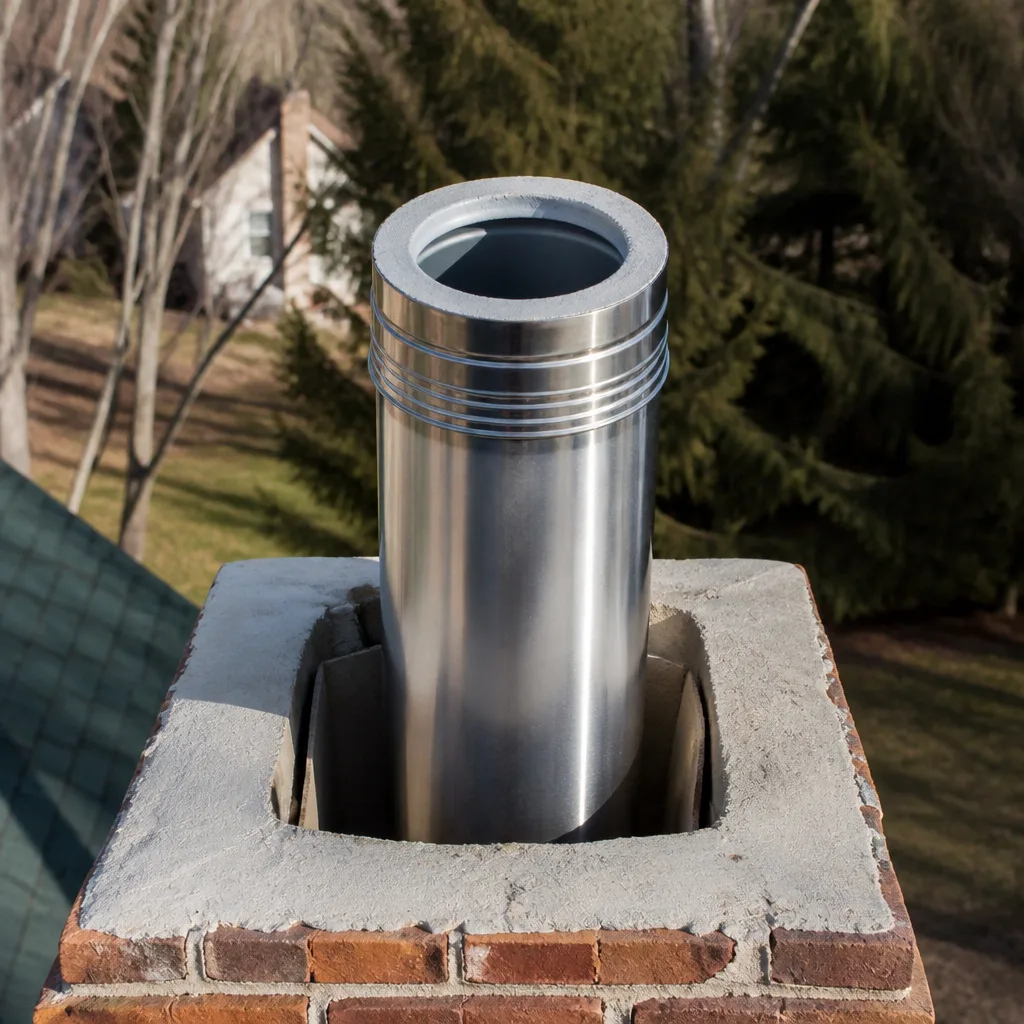 Flue relining
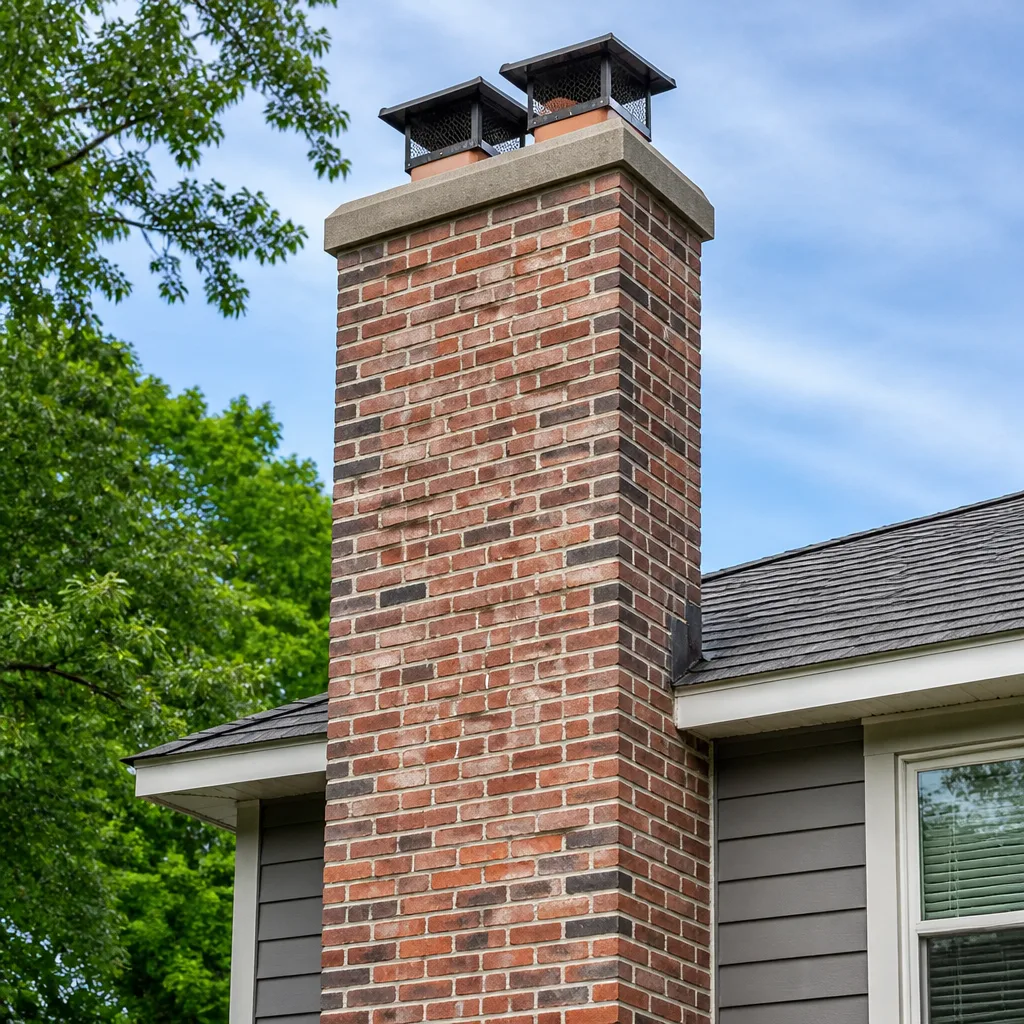 Masonry repair
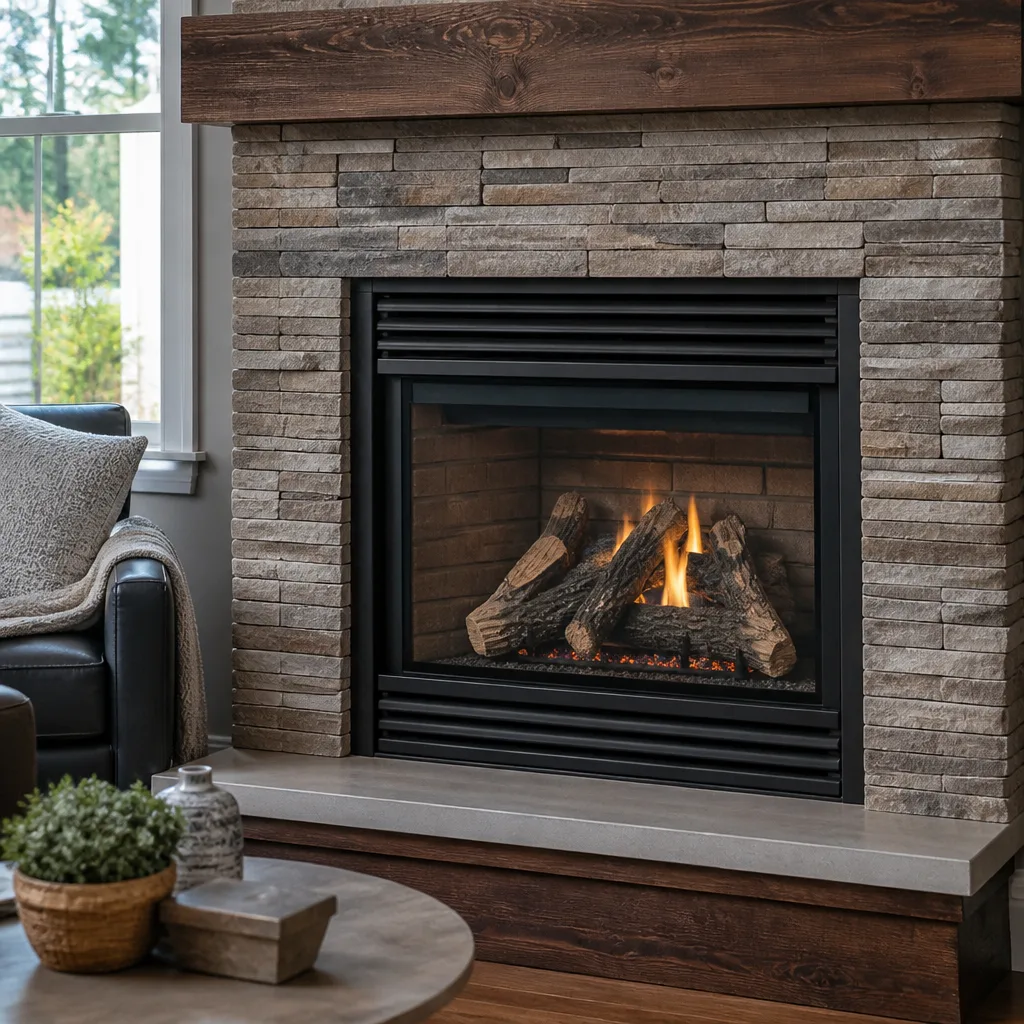 Gas fireplace service
Level 1 sweep and inspection to the NFPA 211 annual standard - flue, crown, cap, and flashing checked and photographed
Chimney sweep logs do not sweep chimneys. They loosen some creosote - which then falls where a brush and vacuum still have to collect it.
The Complete Guide to Chimney Cleaning in Concord
Most people book a cleaning and assume the inspection comes free with it. Sometimes it does, sometimes it doesn’t, and the two are not interchangeable. A Level 1 inspection is a visual check of what’s reachable. A cleaning is a mechanical removal of what’s built up inside the flue. You can have one without the other, and you can be charged for one while thinking you bought both. This guide maps exactly what a complete service involves at each layer: how inspection levels differ, how creosote stages dictate which cleaning method gets used, why a gas fireplace in Concord still needs annual attention, and what a real sweep leaves behind in writing. By the end you’ll know what you’re buying before anyone shows up at your door.
Quick Answer
Chimney cleaning in Concord is the mechanical removal of soot, creosote, and debris from the flue, firebox, and smoke chamber, and it should always begin with an inspection that determines how the cleaning gets done. A standard cleaning for a wood-burning fireplace handles light to moderate creosote with brushes and rods; glazed or heavily built-up creosote needs chemical treatment or rotary methods instead. Gas appliance flues skip the creosote problem but still accumulate debris, nesting material, and corrosion byproducts that require annual attention. We tell you what we found, show you why it matters, and fix it with the right material for the job.
Styles & brands we work with
- Sweep & inspection
- Caps & crowns
- Flue relining
- Masonry repair
- Gas fireplace service
Table of Contents
- What chimney cleaning actually involves
- Level 1, Level 2, and Level 3 inspections
- The three stages of creosote and the cleaning method each requires
- Why gas fireplaces need annual cleaning too
- How Concord’s mild, damp winters affect creosote
- What a reputable sweep documents during and after the job
- Common mistakes to avoid
- When to call a professional
What chimney cleaning actually involves
A cleaning is not one motion with one brush. A complete service on a typical wood-burning fireplace moves through several zones, and skipping any of them means the job isn’t finished. The firebox gets scraped and vacuumed. The damper and smoke shelf collect soot in the corners where airflow slows. The smoke chamber above the damper is often the dirtiest part of the whole system. The flue itself gets brushed from the top or the bottom depending on access. And the cap and crown get checked so water doesn’t find its way in later.
Here’s how the sequence usually runs:
- Lay protection. Drop cloths over the hearth and surrounding floor, and a sealed vacuum connection so dust never enters the room.
- Inspect before touching anything. A visual assessment of the firebox, damper, flue interior, and exterior termination tells the technician which cleaning method applies.
- Clear the firebox and smoke chamber. Soot and ash get scraped and removed first because they interfere with everything downstream.
- Brush the flue. The correct brush diameter and stiffness depend on the liner type. Stainless liners and clay tile liners don’t respond the same way.
- Vacuum the system. A HEPA vacuum running the whole time captures what the brushes loosen.
- Re-inspect and document. Photos of the flue interior, written findings, and a recommendation for the next service interval.
What separates a good cleaning from a thin one is largely the smoke chamber and the documentation. Anyone can run a brush down a straight flue. The smoke chamber above the damper is where stubborn soot hides, and it’s where a cleaning that stopped too early shows up six months later. A complete job also accounts for the whole system rather than just the pipe: the crown, the cap, and the flashing around the base all affect how the chimney performs in our wet winters. That’s why a professional chimney sweep in Concord should be looking at those components even when the call is only for a cleaning.
Level 1, Level 2, and Level 3 inspections
The three inspection levels come from the national standard that certified chimney professionals follow, and each applies to a different set of circumstances. The level determines how much of the chimney gets examined and what access is needed. Knowing which level a job calls for prevents both over-spending on access you don’t need and under-inspecting a problem you’d otherwise miss.
Level 1
A Level 1 inspection is a visual check of readily accessible portions of the chimney, appliance, and vent connection without any special tools or access. It’s what a routine annual visit includes when the chimney has been in continuous use, the fuel type hasn’t changed, and there’s no evidence of trouble. It covers the firebox, damper, accessible flue surfaces, and the exterior where reachable.
Level 2
A Level 2 inspection goes further. It includes everything in Level 1 plus an examination of all accessible portions of the chimney, including areas that require a camera or access into attics and crawl spaces. In practice, a Level 2 is the level you want on several occasions:
- When you’ve moved into a home and don’t know the chimney’s history.
- After a chimney fire, even a small one you think you put out yourself.
- After a significant storm or earthquake – a real consideration in the East Bay.
- When switching fuel type or changing the appliance.
- When the appliance has had a performance problem, like smoke rolling back into the room.
- Whenever a sale, transfer, or insurance review requires documentation.
Level 3
A Level 3 inspection happens when a Level 2 reveals a hidden problem that can only be evaluated by opening up portions of the building. That could mean removing a section of wall or masonry to see the flue, or gaining access that requires construction work. Most homes never need one, but a Level 3 is the right answer when a hazard is suspected behind something you can’t reach.
Which level for a Concord home?
For a Concord homeowner with a fireplace in steady use and no red flags, a Level 1 folded into the cleaning is standard. For a new purchase, a home that’s been sitting unused, or anything that recently changed, ask for a Level 2 with camera documentation. It’s the difference between a check-up and a diagnosis.
The three stages of creosote and the cleaning method each requires
Creosote is the residue left when wood smoke cools and condenses inside the flue. It builds up in three distinct stages, and each stage demands a different cleaning approach. Using the wrong method on the wrong stage leaves material behind or damages the liner.
Stage 1: Soot and light flaky deposits
Stage 1 creosote is the powdery, flaky, soot-like layer that shows up first. It’s the easiest to remove. A standard brush and rod job handles it completely, provided the technician uses the correct brush for the liner material. This stage responds well to regular annual cleanings, and Stage 1 buildup rarely escalates to the more serious stages when it’s maintained.
Stage 2: Hard, crusty, and layered
Stage 2 creosote forms when the deposits from Stage 1 have been sitting long enough to compress and harden. It’s crusty, sometimes layered, and takes effort to break free. A basic brush still removes some of it, but the more stubborn areas need a stiffer brush or a rotary cleaning attachment that spins inside the flue. This is the stage where most homeowners notice a difference between a thorough cleaning and a quick one. A brush job that stops at the easy surface leaves the hard crust behind, and hard crust becomes glazed creosote.
Stage 3: Glazed, shiny, and a fire hazard
Stage 3 creosote is the dangerous one. It’s dense, shiny, sometimes almost glassy, and burned into the liner surface. Brushing alone can’t remove it. Stage 3 requires specialized methods: rotary cleaning chains and specialized heavy-duty scraping tools, or chemical creosote removers that soften the glaze over time so it can be scraped away. In some cases, repeated treatments or resurfacing come into play. This is the reason a standard brush job cannot fix glazed creosote – it isn’t a matter of effort, it’s a matter of chemistry and tooling.
| Creosote Stage | Appearance | Cleaning Method |
|---|---|---|
| Stage 1 | Flaky, sooty, powdery | Standard brush and rod |
| Stage 2 | Hard, crusty, layered | Stiff brush or rotary attachment |
| Stage 3 | Glazed, shiny, dense | Rotary chains or chemical treatment; resurfacing in some cases |
Spotting the stage is part of what the inspection is for. If the flue surfaces are glazed, we’ll tell you so and explain the treatment plan, rather than brushing the surface and calling it clean. And if a glazed liner shows cracks or degradation behind it, a full liner may be the right answer. That’s where professional-grade materials like a DuraFlex flexible stainless system come into the picture, rather than leaving you to source a separate contractor after a problem is found.
Why gas fireplaces need annual cleaning too
Gas fireplaces produce no wood smoke, so there’s no creosote. But they still accumulate the problems that make an annual cleaning worth doing. People skip this step because the logic seems sound – no smoke, no soot, no cleaning. The result is a flue that quietly fills with debris over several years and a homeowner who doesn’t find out until there’s a problem.
Here’s what actually builds up in a gas flue:
- Dust and debris. The same papery soot and construction dust that collects everywhere else finds its way into the venting.
- Bird and animal nesting material. Unused gas appliance flues are a favorite spot for birds, especially if the vent termination isn’t screened properly.
- Corrosion byproducts. Gas appliances produce water vapor as a combustion byproduct. Over time this interacts with stainless venting and produces residue that can restrict flow.
- Pilot assembly and burner dust. Debris near the burners affects flame quality and can cause sooting on the logs or the appliance interior.
In our experience, the gas fireplace job is more often about ventilation and the appliance itself than the flue interior. A blocked termination, a failing screen on the cap, or a cap loosely attached all matter. Gelco and Famco caps and venting components come into play here, because the venting needs to be rated for the appliance and the long-term weather it sees. Concord’s mild winters won’t destroy a cap the way a hard freeze would, but the wet months between November and April are enough to work on a poorly fastened or unsealed one.
Annual service on a gas appliance also covers the burner and the ignition, which is about function, not just cleanliness. If your gas fireplace runs rough, has a yellow-tipped flame where it used to be blue, or smells like it’s not drafting properly, that’s a reason to book a service call now rather than waiting for the annual visit.
How Concord’s mild, damp winters affect creosote
Concord doesn’t see the hard freezes of the mountains or the sustained cold of the Northeast, and that changes the creosote picture in ways that most general chimney advice doesn’t account for. Colder climates often produce hotter, more efficient fires because the draft is strong and the fire runs wide open. Warmer, milder winters here tend to encourage the opposite: smaller, slower, smoldering fires, often for shorter periods in the evening, which is the exact combustion pattern that produces the most creosote.
Three local factors matter more than most homeowners realize:
- Smoldering fires produce more creosote. A fire that’s damped down to burn overnight or left to die out slowly deposits more residue than a bright, hot fire. The mild winter here makes that slower-burning pattern common.
- Damp winters affect wood moisture. Wood that’s stored outside and not fully seasoned picks up moisture from the wet months. Wet wood produces more smoke, more creosote, and less heat. Seasoning matters as much in Concord as anywhere.
- Single-wall or exposed flue sections run cooler. Interior chimneys stay warmer than exterior ones, and exterior flues condense more on cool, damp evenings. That condensation is where creosote deposits.
The practical upshot is that a Concord fireplace used modestly through a mild winter can accumulate creosote at a rate similar to – sometimes faster than – a fireplace in a colder climate that gets run hard. We’ve seen this pattern enough to recommend that Concord homeowners don’t use the mildness of the winters as a reason to stretch the cleaning interval. The fire doesn’t need to be big to leave a mess inside the flue.
The other local factor is how homeowners here heat. Many Concord homes rely on a furnace or heat pump as the primary system and use the fireplace seasonally rather than as the main heat source. Seasonal use is fine; it just means the creosote and the debris have all year to sit. Scheduling the cleaning before the first cool evenings in October means you’re not the one calling in a panic in December.
What a reputable sweep documents during and after the job
The paperwork after a cleaning is as important as the cleaning. It’s what tells you whether the job is done, what condition the system is in, and when to schedule the next service. When a company leaves without any documentation, you have no way to check the work or prove the condition of the chimney later. When the work is done well, the documentation is usually straightforward: what was done, what was found, what to watch.
A proper service record includes:
- Photos of the flue interior. Before and after, from a camera. This is the single most important record. It shows you what was inside your flue and what came out, and you can see it for yourself rather than taking anyone’s word for it.
- Written findings. A short written summary noting the condition of the firebox, damper, flue, crown, and cap. Anything that needs attention gets described in plain language, with the reason it matters.
- The creosote stage observed. Whether the flue ran at Stage 1, 2, or 3 and what method was used. This tells you what to expect on the next visit.
- Recommendation for next service. Annual cleaning is the standard for wood-burning, but a chimney that produced heavy deposits might warrant a check at six months. A gas appliance on a small flue might be fine on an annual schedule.
- Any defects found, and whether they’re urgent. A cracked crown, a loose cap, or a damaged damper all get noted, with a clear statement of whether they need attention now or can safely wait.
We take the position that the record exists for you, not for us. If the photos show a flue that’s in good shape, that’s a record that supports waiting. If they show glazed creosote or a damaged liner, that’s the evidence behind the recommendation. Our approach is inspect first, then recommend, and the photos are the reason the recommendation can be verified. Full-scope work matters here because the crew that inspects is the crew that repairs – no hand-off gaps where one company’s findings and another company’s repairs don’t line up.
For homes where a liner repair is on the table, the documentation also carries the material specification. HeatShield ceramic resurfacing, for example, is a patented product used to restore cracked or deteriorating flue liners in qualifying cases without full demolition. When that’s the recommendation, the paperwork should say so specifically, not generically. And when a full reline is the right answer, the system chosen should be a professional-grade product like a DuraFlex liner, not a hardware-store substitute. One crew, full scope, documented and warrantable work.
Common Mistakes to Avoid
- Assuming a cleaning includes an inspection. They’re separate services, and some companies do one without the other. Ask specifically what the visit includes, and insist on a documented inspection with your cleaning.
- Handing the job to whoever answers first with a low price. A price so low it doesn’t cover a thorough sweep is usually a sign the sweep will be quick and the upsells will be pushed hard. Look for a company that explains what it does and documents the work.
- Using the mild Concord winter as a reason to skip a year. Mild winters encourage slow, smoldering fires, and that produces more creosote, not less. An annual visit is still the baseline for a wood-burning fireplace here.
- Assuming a gas fireplace doesn’t need cleaning. Debris, nesting material, and corrosion byproducts all accumulate. The flue looks clean and still needs a check.
- Brushing over glazed creosote and calling it clean. Stage 3 creosote doesn’t come off with a brush. If the flue is glazed, the cleaning method has to change. A brush job on a glazed flue leaves the hazard in place.
- Buying major repair work without seeing the evidence. If you’re told you need a new liner, ask for the camera footage or photos. Any honest company will show you what’s wrong before recommending a fix.
- Putting off a cracked or damaged cap. A cap that’s loose or cracked lets water and animals into the flue. Repairs are usually simpler now than after a season of exposure.
When to Call a Professional
Some chimney problems are obvious to the homeowner and some aren’t, but a few situations always call for a trained technician rather than a check-later approach. If you smell a strong smoky odor in the room when the fireplace isn’t in use, that’s a sign of a dirty flue or backdraft and warrants a professional look. If smoke rolls into the room instead of going up, something is blocking the draft. If you’ve had a chimney fire – even a small one – the flue needs inspection before the next fire. If the firebox has visible cracks, the damper doesn’t open or close cleanly, or the crown has deteriorated, those are repairs, not a cleaning. And if you’ve just moved into a Concord home with a chimney you don’t have any history on, a Level 2 inspection before the first fire is the right starting point.
High-tension springs, gas lines, and electrical components are jobs for a trained professional. Chimney flues have their own hazard: glazed creosote and hidden cracks aren’t something to work around from the outside. Stallion Chimney Sweep offers free estimates in Concord – call (833) 434-1221. We answer 24/7. Fast dispatch from 7am to 7pm, Sunday through Friday. When we look at your chimney, we start with the inspection and the evidence, and we tell you plainly when work can safely wait.
Frequently Asked Questions
Chimney cleaning in Concord is priced per job based on the fireplace type, the flue condition, and how much buildup is present. A straightforward sweep on a fireplace in good condition runs less than a service that includes a Level 2 inspection with camera documentation, and glazed creosote that needs chemical treatment or rotary cleaning is a different scope again. We give a written estimate before any work is booked, and the estimate sets the final price. Call (833) 434-1221 for an exact quote – estimates are free.
A cleaning removes soot and creosote from the firebox, smoke chamber, and flue. An inspection is the evaluation of the chimney’s condition, at Level 1, 2, or 3 depending on what’s called for. They’re separate services, and a professional visit should include both – the inspection determines how the cleaning gets done. Call (833) 434-1221 to book a visit that covers both.
Wood-burning fireplaces, inserts, and stoves should be swept annually, regardless of how often you burn. Gas appliances should also be inspected and cleaned annually, because debris and corrosion buildup still happen even without creosote. If the flue produces heavy deposits, or if you’ve had a chimney fire, a check at six months makes sense. Call (833) 434-1221 to schedule your annual service.
Only if the inspection shows the existing liner is cracked, deteriorating, or otherwise compromised – and you should be shown the evidence before any work is booked. In some cases, a cracked clay tile liner can be resurfaced with HeatShield ceramic repair rather than replaced entirely, which is a different scope and cost than a full reline. We tell you what we found and show you why it matters, so you can decide with the photos in front of you. Call (833) 434-1221 for a documented assessment.
Same-day service is available when the schedule allows, and a standard cleaning can often be booked quickly. A Level 2 inspection or a repair scope may need more time, and we’ll say so when we quote. Call (833) 434-1221 – estimates are free, and we’ll give you an honest answer on timing.
Creosote builds up in stages, and the deposits from one season harden into the next. Stage 1 flaky soot that a brush removes easily becomes Stage 2 crust that needs rotary work, and untreated Stage 2 becomes Stage 3 glazed creosote, which is a fire hazard and takes specialized treatment to remove. Skipping also means missing the inspection findings that would have caught a cracked crown or a loose cap early. Call (833) 434-1221 to book the cleaning before the buildup moves to the next stage.
The Bottom Line
Chimney cleaning isn’t a single task – it’s a layered process that starts with the right inspection level, uses the method that matches the creosote stage, and includes gas appliances as well as wood-burning ones. Concord’s mild but damp winters push toward slower, smoldering fires and more creosote, not less, so the annual cleaning matters here as much as anywhere. The documentation matters too: photos of the flue interior, written findings, and a clear recommendation on what’s urgent and what can wait. That’s the record that lets you verify a recommendation before you pay for it. Professional-grade materials – DuraFlex liners, HeatShield resurfacing, Gelco caps – close the loop when repair is needed, and the crew that inspects is the crew that repairs. That’s the standard we hold across every chimney repair and cleaning job in Concord.
If you’re ready to book a cleaning, or you’re not sure whether you need one yet, call (833) 434-1221 for a free estimate. We answer 24/7. Fast dispatch from 7am to 7pm, Sunday through Friday. We’ll show you what’s in your flue and tell you honestly what needs to happen next.
Written by the team at Stallion Chimney Sweep.
See the difference
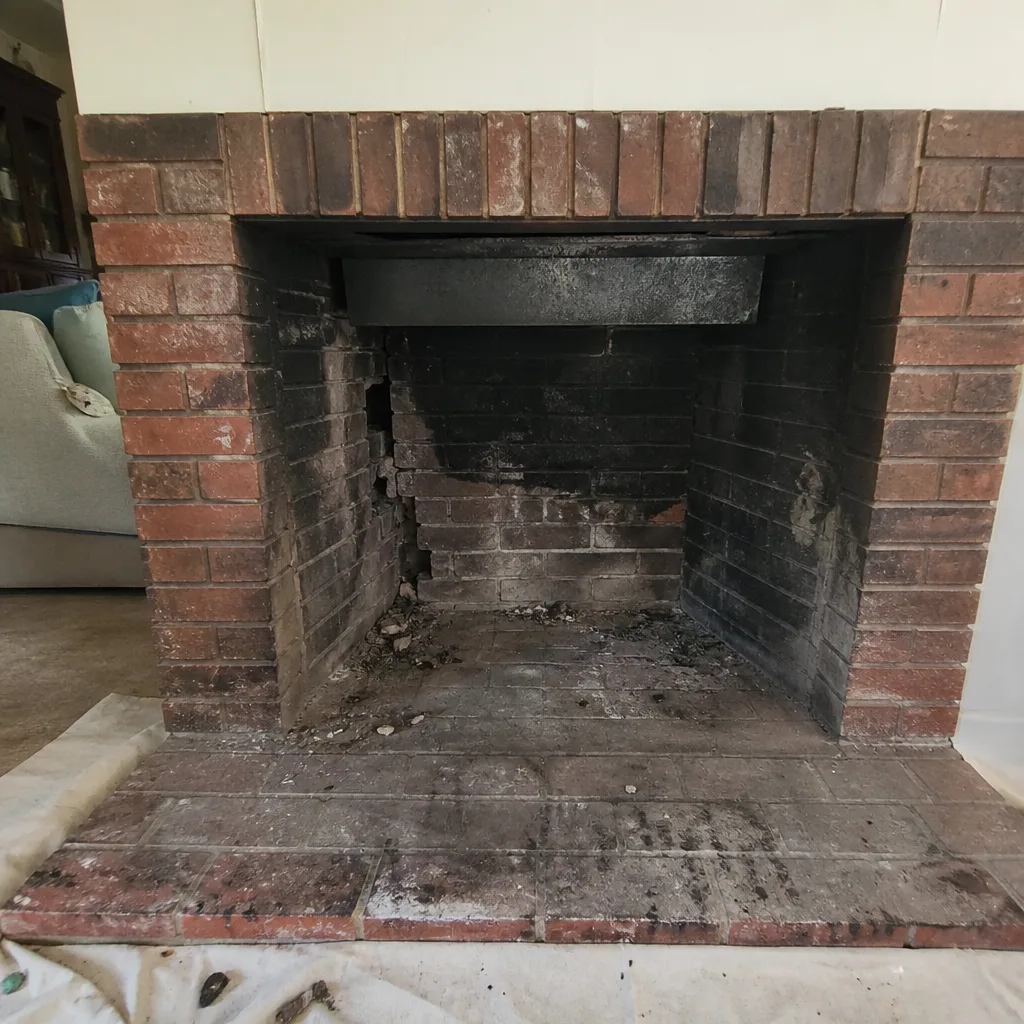 Before
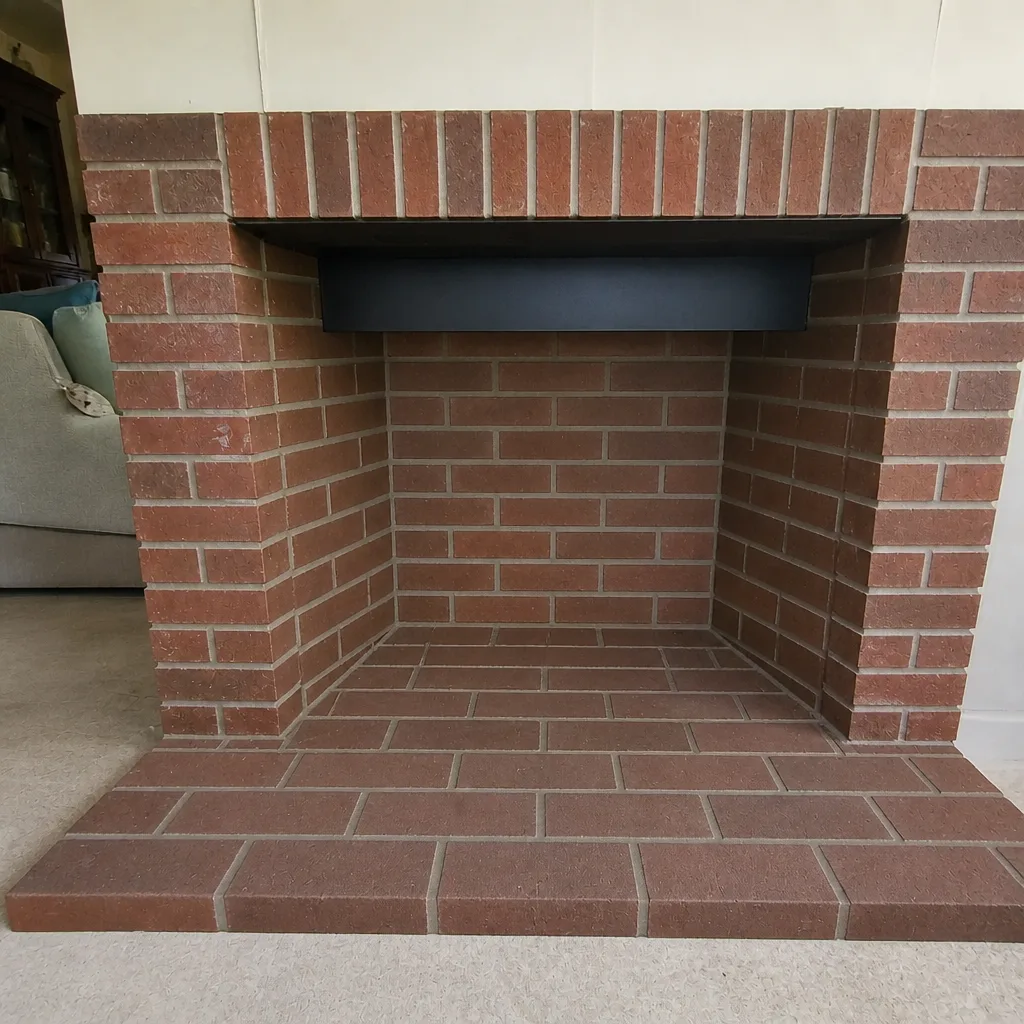 After
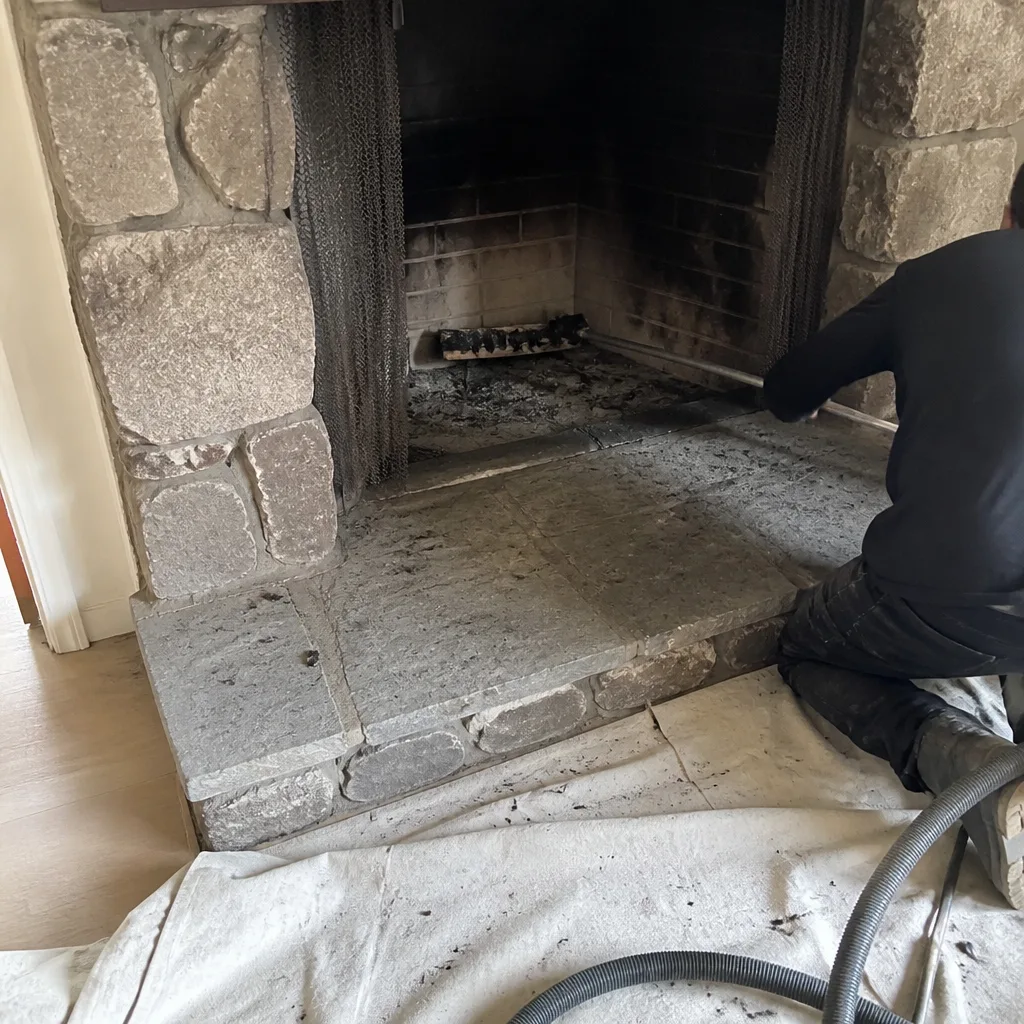 Before
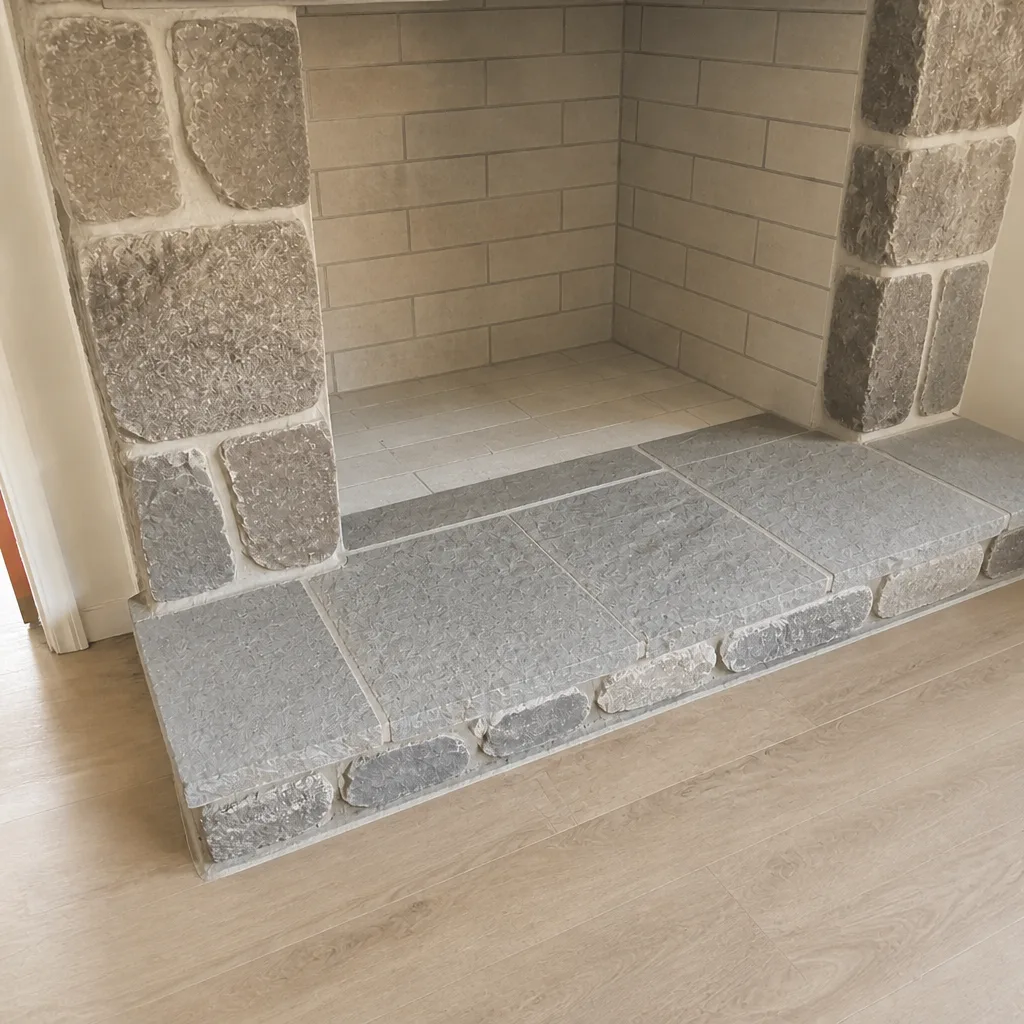 After
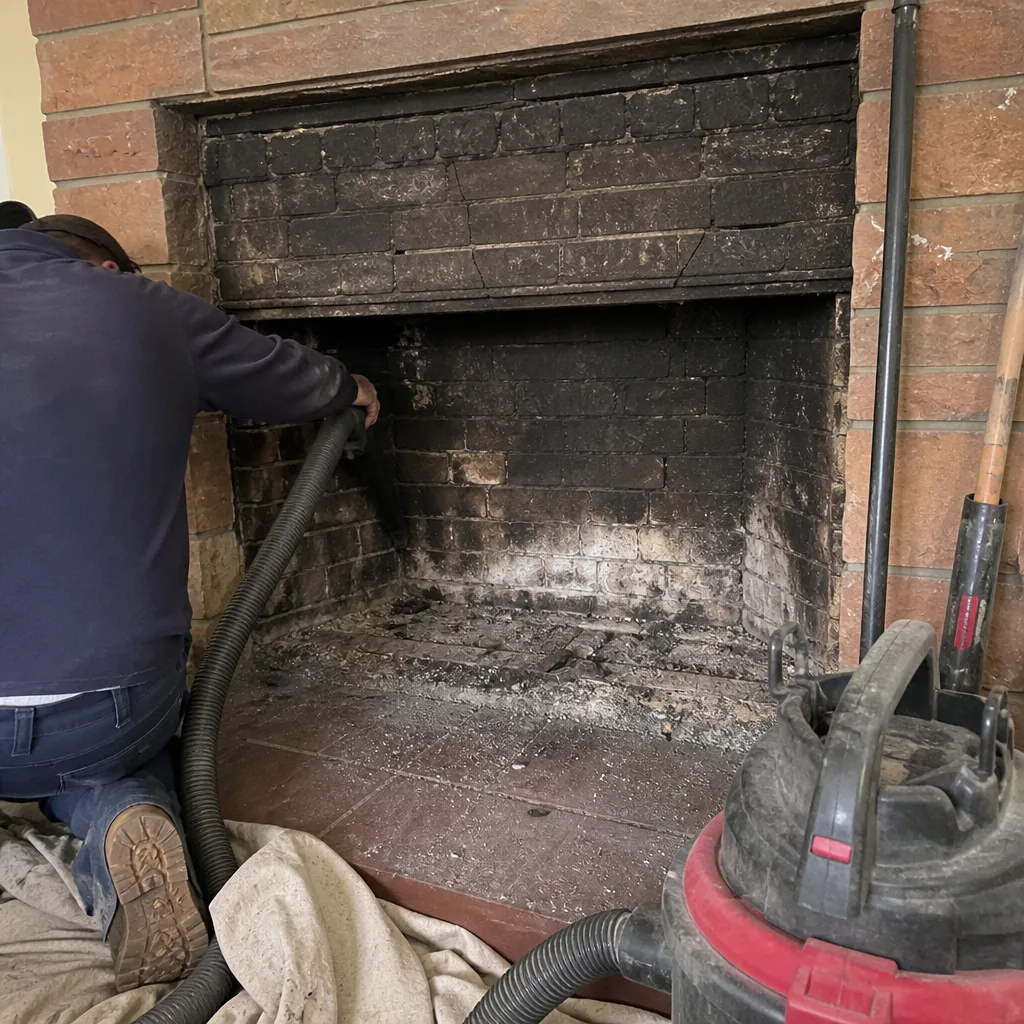 Before
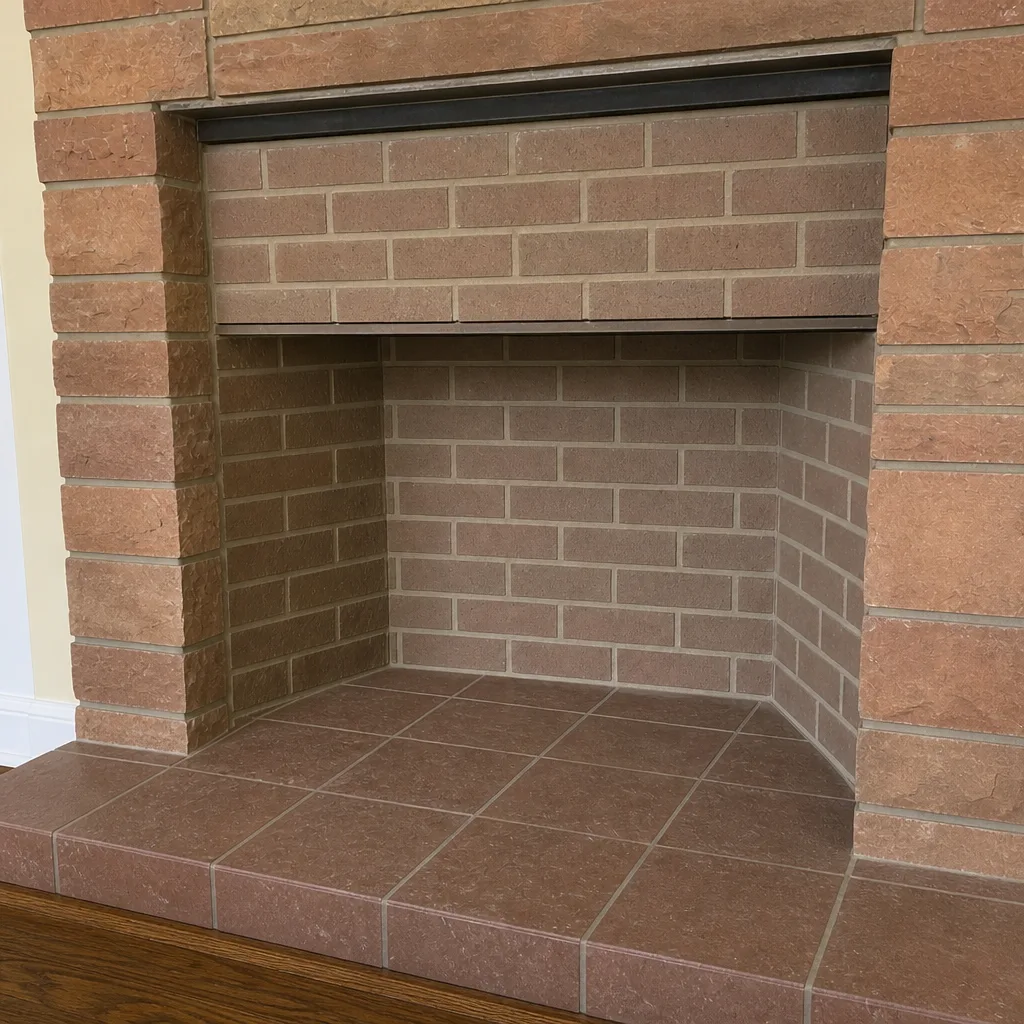 After