
Last updated November 15, 2026
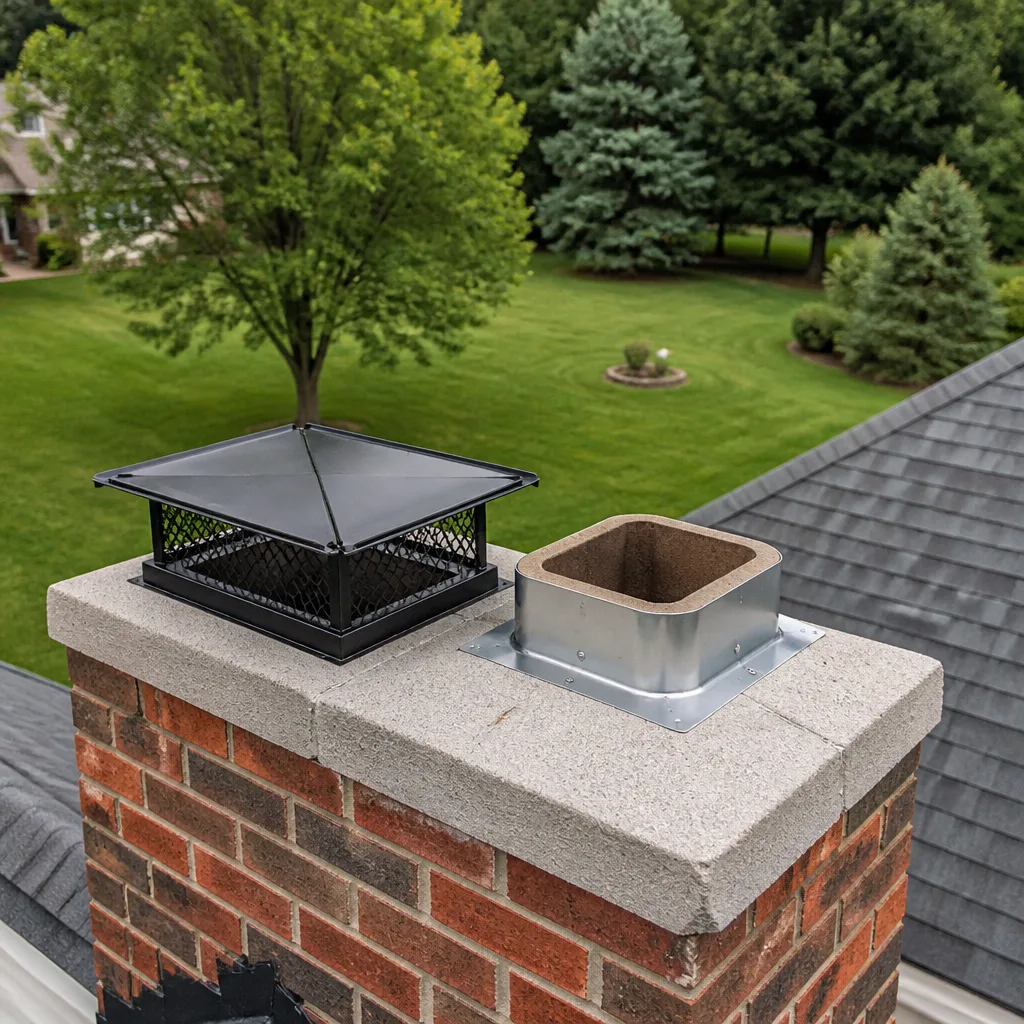 Sweep & inspection
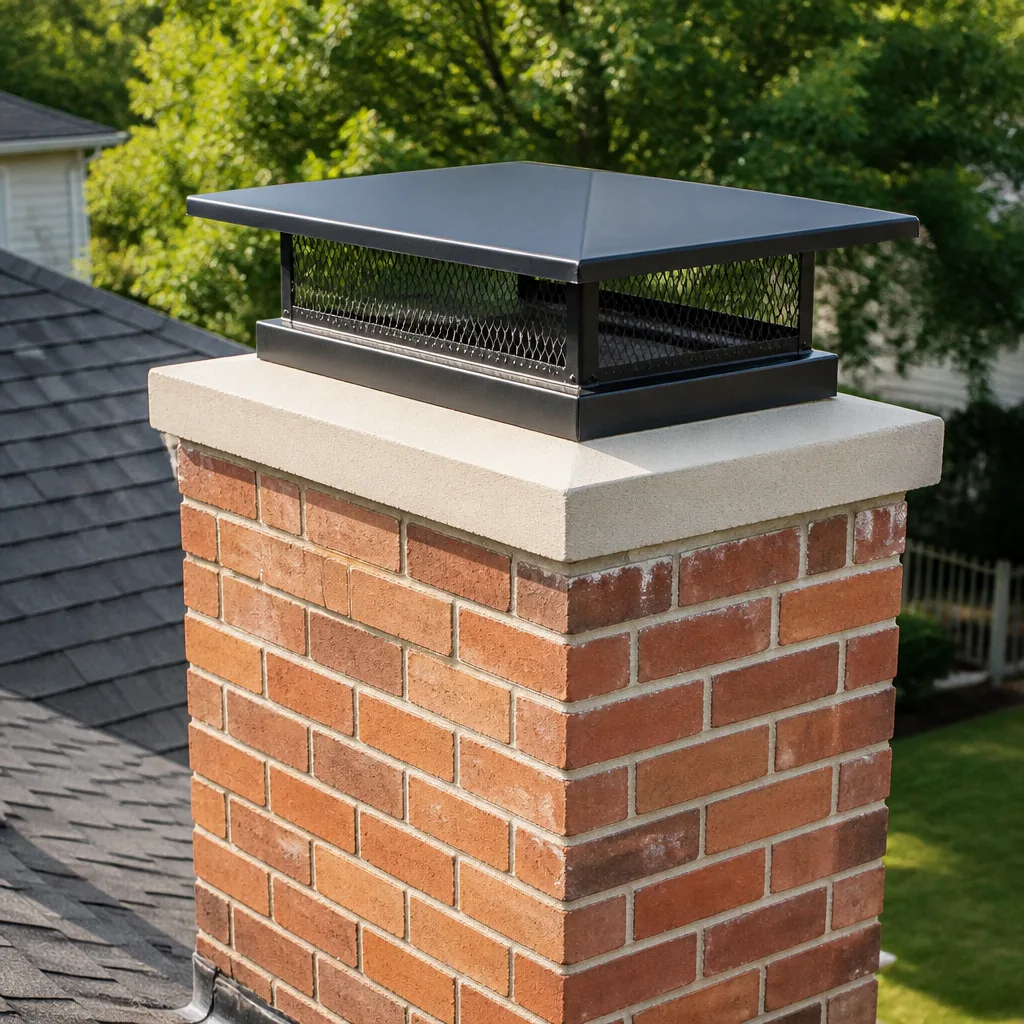 Caps & crowns
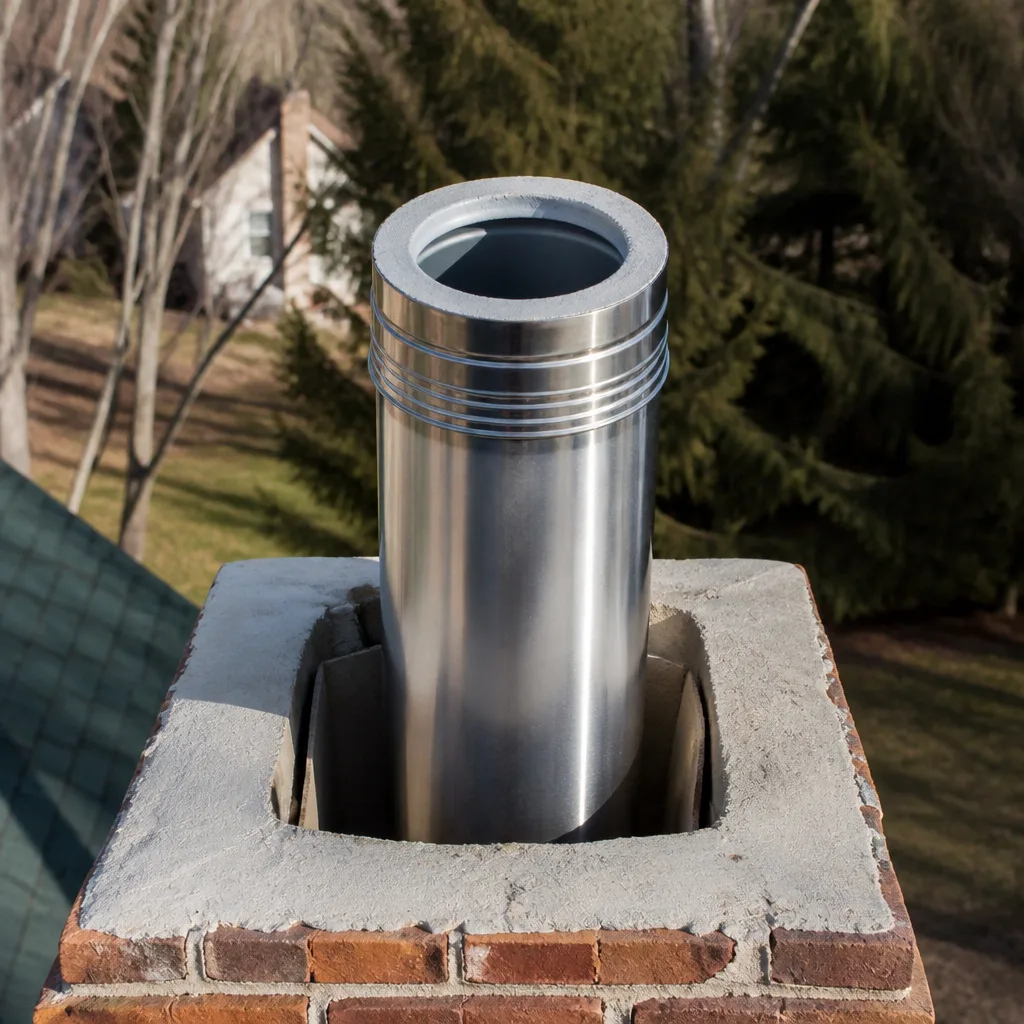 Flue relining
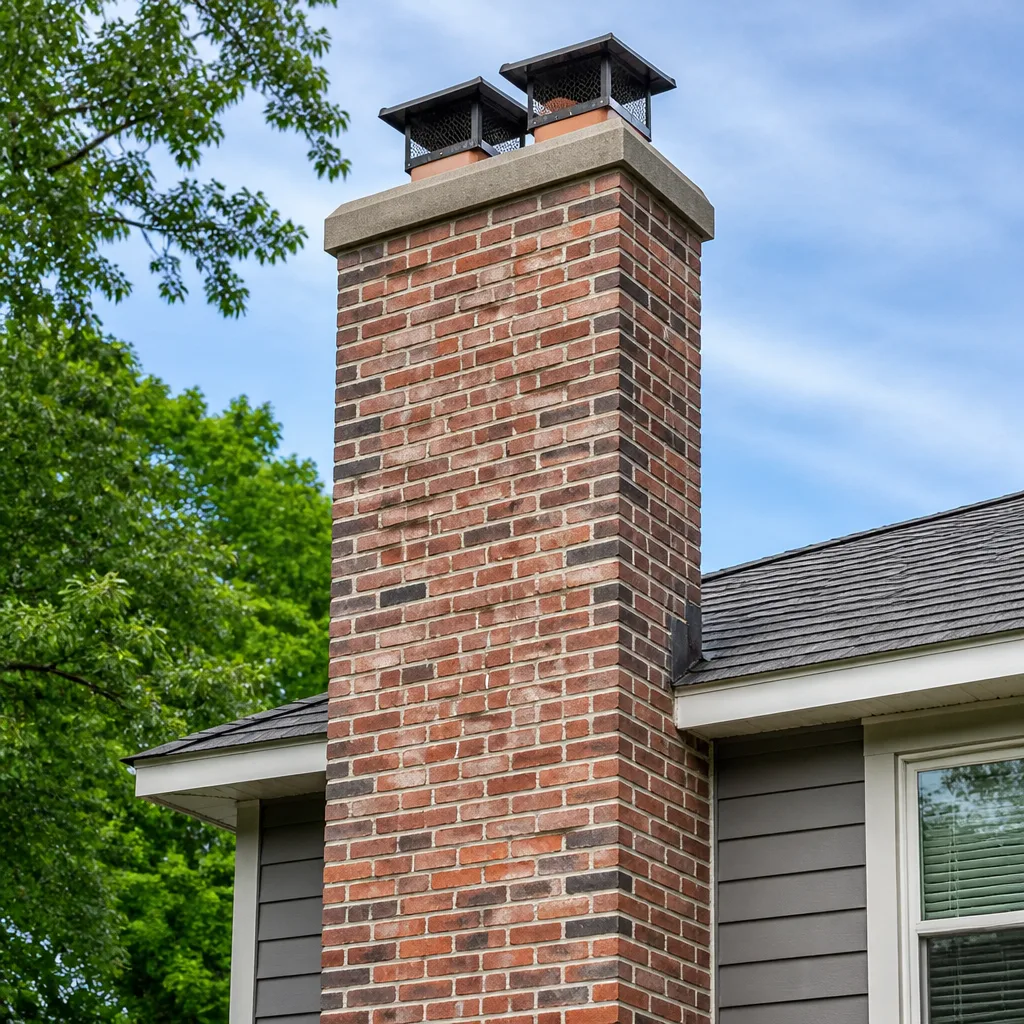 Masonry repair
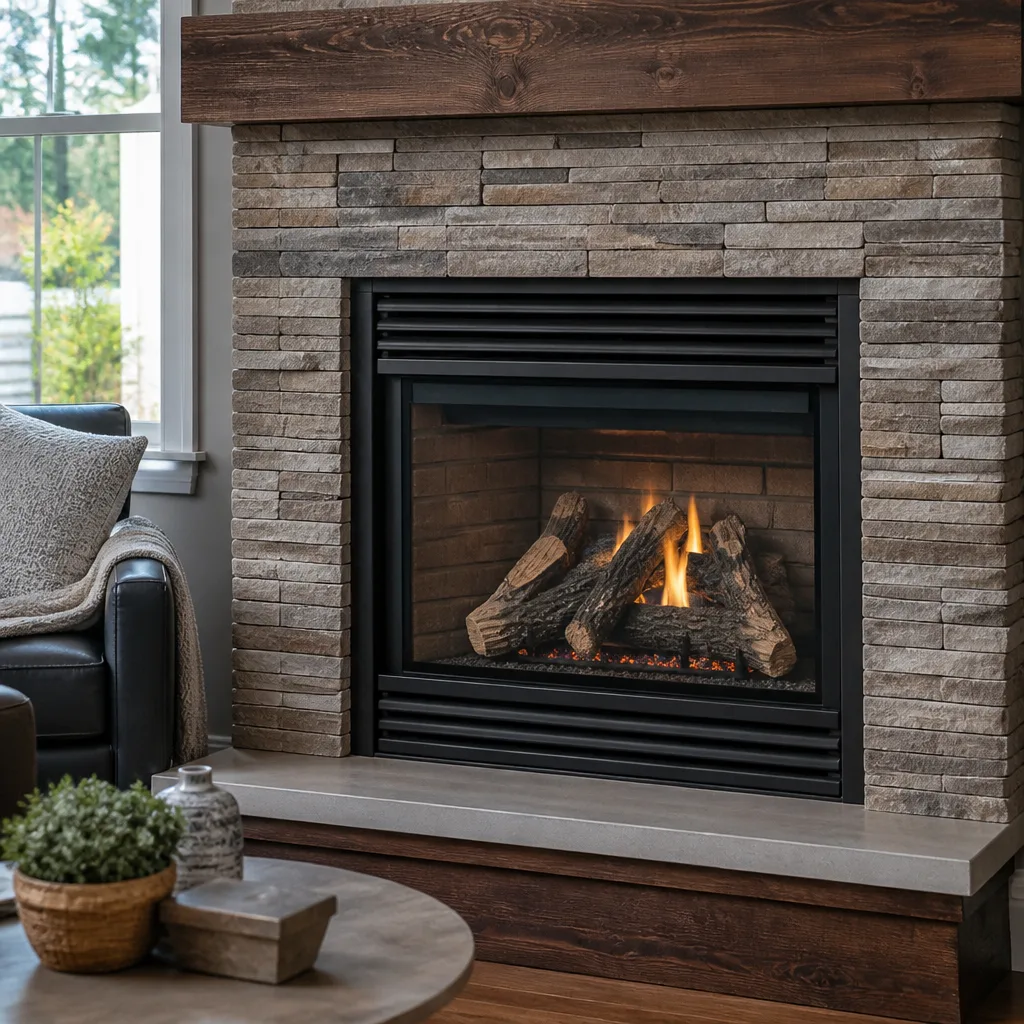 Gas fireplace service
Level 1 sweep and inspection to the NFPA 211 annual standard - flue, crown, cap, and flashing checked and photographed
Chimney sweep logs do not sweep chimneys. They loosen some creosote - which then falls where a brush and vacuum still have to collect it.
Chimney Sweep Troubleshooting in Concord: Common Problems and How to Fix Them
A smoky fireplace usually gets blamed on the chimney. In our experience, roughly forty percent of the smoke complaints we look at in Concord turn out to be a house pressure problem, not a chimney problem at all. That distinction matters: no amount of sweeping will fix a house that’s pulling smoke back down the flue, and paying for a cleaning that doesn’t solve the complaint is the most common way homeowners waste money on chimney work. This guide teaches you to read your chimney’s symptoms the way a sweep does on a first visit. You’ll learn how to tell negative air pressure from draft failure, why Concord’s marine fog and temperature inversions make downdraft worse in certain seasons, how to separate a summer creosote smell from a fire-time smoke smell, and which fixes are safe to try yourself versus which ones look harmless and create real liability.
Styles & brands we work with
- Sweep & inspection
- Caps & crowns
- Flue relining
- Masonry repair
- Gas fireplace service
Quick Answer
Most chimney problems in Concord come down to one of four causes: a blocked or dirty flue restricting draft, a house that’s running negative pressure and pulling smoke back inside, a failed component like a damper, cap, or liner, or a moisture and creosote issue that shows up as odor rather than smoke. Diagnosing which one you have before calling anyone saves time and money. A match test near the open damper tells you in about a minute whether you’re dealing with pressure or draft. From there, the symptoms point clearly at the culprit.
Table of Contents
- Negative Air Pressure vs. Draft Failure: The Match Test That Tells Them Apart
- Why Concord’s Fog and Temperature Inversions Make Downdraft Worse
- Creosote Smell vs. Smoke Smell: Two Different Problems
- Damper, Cap, or Liner? How to Identify the Actual Culprit
- Safe DIY Fixes vs. Fixes That Create Liability
- Signs You Actually Need a Sweep
- What Repair Work Usually Involves
- Common Mistakes to Avoid
- When to Call a Professional
- Frequently Asked Questions
- The Bottom Line
Negative Air Pressure vs. Draft Failure: The Match Test That Tells Them Apart
A fireplace that smokes into the room is doing one of two things. Either the chimney can’t pull enough air up the flue (draft failure), or the house is pushing air down the flue faster than the chimney can exhaust it (negative pressure). These are different problems with different fixes, and mistaking one for the other is how homeowners end up paying for a sweep that doesn’t solve anything.
Negative pressure happens when a house is tighter than its exhaust capacity. Modern homes in Concord with sealed windows, upgraded insulation, and powerful kitchen or bath exhaust fans can pull harder than the chimney draws. When that balance tips, the fireplace becomes an air intake instead of an exhaust, and smoke rolls into the room.
Here’s the match test we walk homeowners through before we ever arrive. It takes about a minute and it points you at the right problem:
- Wait for a calm, mild day. Wind testing a chimney tells you nothing useful.
- Open the firebox doors and the damper fully. Let everything sit for five minutes.
- Light a match or a rolled piece of newspaper and hold it near the open damper, inside the firebox, at about the height of the lintel.
- Watch the smoke. If it rises steadily up the flue, you have draft and the chimney is likely working.
- If the smoke holds level, wavers, or drifts back into the room, you have a pressure or draft problem worth diagnosing.
- Now crack a window in the same room about an inch and repeat the test. If the smoke rises cleanly with the window cracked, you have negative air pressure. If it still fails, the problem is in the chimney or flue.
That last step is the whole test. A window crack relieves the pressure imbalance long enough to show you whether the chimney itself is the problem. If cracking a window fixes the smoke, no amount of sweeping, capping, or liner work will solve the real issue. The fix is in the house: better combustion air supply, balanced exhaust, or a make-up air strategy for the appliances pulling against the flue. Our technicians have up to experience and we see this in Concord homes more often than most people expect.
Why Concord’s Fog and Temperature Inversions Make Downdraft Worse
Draft depends on temperature difference. Hot air rises up the flue because it’s hotter and lighter than the air around it. When the outside air is as warm as the inside air, or warmer, the chimney has nothing to work with, and smoke has no reason to go up instead of into the room.
Concord’s marine-influenced fog and the temperature inversions that settle over the valley in certain seasons make this worse in predictable waves. On a foggy morning or during an inversion, the air near the ground gets cooler and denser, the chimney sits in a heavy layer of cold air, and the pressure relationship between inside and outside changes. That’s when homeowners notice downdraft: smoke curling back down the flue, cold air spilling into the firebox even with the damper closed, a fireplace that draws fine at noon and smokes at dusk.
You can work with this seasonally instead of fighting it:
- Warm the flue before lighting. Hold a lit rolled newspaper near the open damper for 30 to 60 seconds to start a column of warm air moving up the flue before you add fuel.
- Light the fire hot and fast. A big, hot start moves more air than a slow, smoldering one. Small kindling first, then larger splits, keeps the flue warm.
- Watch the weather. Fog and inversion days are the worst fire days. If your fireplace can’t hold a fire on those days, that’s information about your chimney, not a reason to stop using it.
- Keep the damper fully open until the fire is established. Closing the damper down to control the burn too early starves the chimney of the heat it needs to keep drawing.
If your fireplace smokes only on foggy mornings and inversion evenings, that narrow pattern is one of the most useful diagnostic clues you can give a sweep. It tells us the chimney has draft but is marginal, and the next step is to check the flue size, cap height, and combustion air supply rather than to assume a cleaning will fix it. If your fireplace draws well on every other day of the year, that’s evidence worth keeping in mind.
Creosote Smell vs. Smoke Smell: Two Different Problems
Chimney odor gets treated as one problem by most homeowners. It’s usually two, and they point to completely different culprits depending on when you smell them.
Creosote smell in summer. That sharp, tarry, almost sour smell that appears in warm weather with no fire burning is almost always creosote on the flue walls that’s off-gassing as the temperature rises. Creosote is the byproduct of incomplete combustion, and it builds up in stages: a light, flaky deposit that’s easy to remove, a stickier layer that takes more work, and a hard, glazed stage that a standard brush won’t touch. In summer, the heat and humidity pull the volatile compounds out of that deposit and into the house. No smoke, no fire, no draft involved. It’s chemistry, and it’s a strong signal the flue needs a sweep and probably an inspection. A chimney sweep is the right first step when this smell shows up.
Smoke smell during a fire. Smoke smell while a fire is burning, especially with a hint of it drifting into the room, is a draft or pressure problem, not a creosote problem. The two overlap in some cases, but the timing tells you which is which. Creosote smell with no fire is a cleaning and inspection issue. Smoke smell with a fire is a draft issue, and the match test in the previous section is the first thing to run.
There’s a third smell worth knowing about, because it points at a bigger problem. A damp, earthy, moldy smell near the fireplace in wet weather often means water is getting into the flue through a missing or failed chimney cap, or through a cracked crown at the top. Water in a flue accelerates deterioration of the liner and masonry, and it will not go away with a cleaning. If you smell that after a rainy stretch in Concord, that’s a structural question that belongs in an inspection. Chimney repair work for water intrusion usually starts with the cap and crown, not the firebox.
Damper, Cap, or Liner? How to Identify the Actual Culprit
Three components control most smoking and drafting complaints: the damper, the chimney cap, and the flue liner. Each fails in its own way, and each gives you a specific symptom you can check before you call anyone. Getting this right saves you from paying for a repair you don’t need.
The damper. The damper is the plate above the firebox that you open and close. A damper that won’t open fully, is stuck at an angle, or won’t close at all is surprisingly common, especially in older fireboxes. Test it by opening it and looking up with a flashlight. It should stand wide open and flat against the flue. If it’s stuck partway or doesn’t seat, that’s your culprit for smoke on every fire, not just marginal ones.
The chimney cap. The cap sits on top of the flue and keeps rain, animals, and debris out. A damaged or missing cap lets water in, and a cap that’s undersized or installed too close to the flue opening can restrict draft. A cap with a spark screen that’s clogged with soot acts like a lid on the whole system: the flue can’t exhaust, and smoke backs into the room on every fire. If your smoke problem is sudden and recent, and you’ve never looked at the cap, that’s the first thing to check.
The flue liner. The liner is the clay tile or stainless steel pipe inside the masonry. When a liner cracks or deteriorates, two things happen: draft can leak out into the chimney chase instead of going up, and combustion byproducts can migrate into parts of the house they shouldn’t reach. A liner problem shows up as smoke that’s worse than it used to be, a flue that won’t hold a draw even on a cold day, or visible damage in the flue interior from a flashlight look upwards. This is the one problem you can’t diagnose fully from the firebox, which is why a camera inspection matters when a liner is suspect.
Here’s a simple logic you can run in order:
- Does the damper open fully? If not, fix the damper before anything else.
- Is the cap damaged, missing, or clogged? If so, cap work comes next.
- Does the match test fail even with a window cracked? If so, the pressure problem is not the chimney, and the fix is in the house.
- Does the match test fail even on a cold, calm day with a good damper and a clear cap? Then the liner or flue is suspect and needs a camera inspection.
Working through that order rules out the cheap fixes before anyone climbs on the roof. We install Gelco and Famco caps for exactly the kind of water and draft problems described here, and we use Olympia Chimney and Copperfield materials because they’re the same components the trade specifies.
Safe DIY Fixes vs. Fixes That Create Liability
Some chimney troubleshooting is reasonable for a homeowner to handle. Some of it looks easy, feels safe, and quietly creates a problem that will cost far more to fix down the road. The line between them is mostly about heat and masonry.
Safe to handle yourself:
- Cleaning accessible soot from the firebox floor and walls. A brush and a shop vac (one rated for fine ash) is fine for the firebox itself. Wear a mask.
- Adjusting the damper plate. If the damper sticks, freeing it up with a little graphite or a careful hand adjustment is reasonable. Anything structural, stop and call.
- Removing ash from the firebox. Keep it to a reasonable depth and dispose of it in a metal container outside. Don’t put ash in a paper bag in the garage.
- Running the match test. Diagnostics are always safe and always worth doing before you call.
- Checking the cap from the ground with binoculars. You can see a missing cap, a bent cap, or a heavily clogged screen without leaving the ground.
Not safe, and harder to fix than it looks:
- Sealing cracks in the firebox or flue with hardware-store caulk or mortar. This is the fix that gets homeowners into trouble. Regular caulk and generic mortar aren’t rated for the temperatures in a firebox. They fail quickly, and worse, they can hide a crack that combustion gases are migrating through. Refractory mortar and ceramic materials are specified for this work for a reason.
- Climbing on the roof to work on the cap. Steep roofs, wet surfaces, and height are a genuine hazard. Cap work looks simple and isn’t, from a liability and a personal safety standpoint.
- Cleaning a flue from the roof with a brush and a rope. Soot is fine and airborne, the flue is hot, and a dropped brush can crack a clay liner. This is a real cause of liner damage we see in Concord.
- Attempting to fix a cracked liner. A liner is a structural component, and a patch is not a liner. Cracked or deteriorated liners are relined, not sealed, when the damage is significant.
- Relighting after a chimney fire without an inspection. After a fire in the flue, the liner needs to be checked before the fireplace is used again.
The pattern here is consistent: anything involving combustion gases, high temperature, or roof access belongs with a professional. Anything you can reach from the firebox, with a flashlight and a mask, is fair game. When the flue interior needs to be restored, we use the HeatShield ceramic resurfacing system in qualifying cases, which restores a deteriorating flue interior without a full liner replacement. When the damage is beyond resurfacing, we install DuraFlex stainless steel liner systems for wood, gas, and oil appliances.
Signs You Actually Need a Sweep
A sweep is not the answer to every chimney problem, but it’s the right answer to a specific set of them. Knowing which symptoms call for cleaning and which call for a repair keeps you from paying for the wrong service.
Call for a sweep when you see:
- A visible layer of soot or creosote inside the firebox or at the top of the flue. A quarter inch of buildup on the flue walls is the general threshold most in the trade work from.
- A creosote smell in summer with no fire burning. That smell is off-gassing from deposits on the flue walls, and cleaning removes the source.
- A fire that burns lazily or struggles to draw. Buildup narrows the flue, and a narrower flue drafts less.
- Smoke rolling into the room on a cold day when it previously didn’t. A recent change in behavior usually means a change inside the flue.
- A year or more since the last cleaning with regular fireplace use. A wood-burning fireplace used regularly should be swept once a year during the burn season, and more often if you burn green wood.
Skip the sweep and go straight to inspection when you see:
- Signs of a chimney fire (a loud roaring, a pop, a strong burn smell, or visible damage in the flue).
- A water stain, damp smell, or rust around the firebox after rain.
- Visible damage to the firebox brickwork, the crown at the top of the chimney, or the cap.
- A flue you can’t see clearly with a flashlight, which usually means it’s time for a camera inspection.
In Concord, burn season is milder than in colder parts of the country, but the creosote problem isn’t about temperature. It’s about how the fire burns. A slow, smoldering fire produces more creosote than a hot one, and the mild-winter pattern of occasional fires with damp wood in between is exactly the kind of use that builds up deposits. Our sweep, inspection, and repair services are all done by the same team, so when a sweep turns up a liner problem, you’re not handed a phone number for someone else to call. The person who finds it is the person who fixes it.
What Repair Work Usually Involves
When troubleshooting turns up a component that needs repair rather than cleaning, the scope of work usually falls into one of five categories. Understanding what each one involves helps you evaluate an estimate when it’s handed to you.
Caps and crowns. A missing or failed cap is one of the most common causes of water intrusion and draft problems. We install Gelco and Famco chimney caps rated for long-term exterior weathering. A cracked crown at the top of the chimney is repaired or replaced at the same time, because a cap on a cracked crown doesn’t solve the water problem.
Liners. A cracked or deteriorated flue liner is relined with a flexible stainless steel system. We install DuraFlex liner systems for wood-burning, gas, and oil appliances. This is a structural repair, not a surface service, and it’s the right fix when the existing liner has failed.
Flue resurfacing. When the liner is deteriorating but hasn’t failed structurally, the HeatShield ceramic resurfacing system can restore the flue interior without a full liner replacement in qualifying cases. It’s a patented product, and it’s a masonry-level restoration, which is more than most sweep crews offer.
Masonry repair. Cracked firebox brick, deteriorated mortar joints, and spalling masonry get repointed or replaced. This is where the materials matter. Refractory mortar and ceramic materials are specified for firebox work; general-purpose mortar isn’t, and it won’t hold up to the heat.
Venting components. Famco venting products and Olympia Chimney and Copperfield components round out the venting side of the work when a stove or insert installation needs a proper pipe or a damaged section needs replacing.
The common thread in every one of these repairs is that the material has to match the job. Professional-grade components from DuraFlex, HeatShield, Gelco, Famco, Olympia Chimney, and Copperfield are specified by certified chimney professionals for a reason, and the cheapest hardware-store substitute is the one that fails first. We tell you what we found, show you why it matters, and fix it with the right material for the job.
Common Mistakes to Avoid
- Assuming every smoke problem is a dirty chimney. Roughly forty percent of the smoke complaints we see in Concord homes are negative pressure, not buildup. If a window cracked a half inch fixes the draft, a sweep is the wrong service.
- Testing draft on a windy day. Wind masks draft problems and creates new ones. A calm, mild day is the only day the match test tells you anything useful, and testing in fog or during an inversion gives you a false reading too.
- Sealing a firebox crack with regular caulk or hardware-store mortar. Neither is rated for firebox temperatures. Both can hide a crack that combustion gases are moving through, and the failure happens quietly over a season, not on the first fire.
- Climbing on the roof for a “quick” cap check. A steep, wet Concord roof is a genuine fall hazard, and most cap work takes less time for a trained sweep than it does to set up a ladder safely. Leave it to someone who does it regularly.
- Relighting after a chimney fire without an inspection. A chimney fire can crack a liner without any visible sign from the firebox. The firebox looking fine is not evidence the flue is intact.
- Treating creosote smell in summer as a normal chimney smell. It’s not normal, and it points to deposits that need to come out before burn season. Waiting until fall pushes the cleaning into the busiest weeks of the year.
- Buying the cheapest sweep quote without asking what’s included. A sweep that doesn’t include a camera inspection on a flue that hasn’t been seen inside can’t tell you whether the liner is intact, and that’s the most expensive question a chimney can hide.
When to Call a Professional
Call a professional when the match test fails even with a window cracked, when you see or smell water around the firebox after rain, when the damper won’t open or seat fully, or when the cap is missing, bent, or clogged and the flue is smoking. Call sooner if there’s been a chimney fire, a loud pop or roar from the flue, or smoke backing into the room on every fire, not just on foggy days. Call before you relight after any of those events. And call before you attempt a repair on the flue interior, because the materials that look right in the aisle at the hardware store are the ones that fail in the firebox. Stallion Chimney Sweep offers free estimates in Concord. Call (833) 434-1221. We answer 24/7. Fast dispatch from 7am to 7pm, Sunday through Friday.
Frequently Asked Questions
Smoke on foggy mornings points to marginal draft made worse by cooler, denser air sitting on the chimney. Fog and temperature inversions change the pressure relationship between the house and the flue, and a chimney that drafts well on a warm afternoon can struggle in those conditions. Warming the flue with a lit rolled newspaper before lighting the fire helps. If it keeps happening, a camera inspection tells you whether the flue is narrowing or the cap is restricting flow. Call (833) 434-1221 for an exact quote – estimates are free.
Run the match test with the damper open and a lit match near the damper. If the smoke rises, you have draft. If it stalls or drifts into the room, crack a window an inch in the same room and repeat. If the smoke rises once the window is cracked, the problem is negative air pressure in the house, not the chimney. If it still fails, the flue, cap, or liner is the culprit. Call (833) 434-1221 for an exact quote – estimates are free.
A creosote smell in summer with no fire burning means deposits on the flue walls are off-gassing as the temperature rises. It’s a sign the flue needs a sweep and an inspection before burn season. It’s not a normal chimney smell and it doesn’t resolve on its own. A sweep removes the deposits, and an inspection confirms whether there’s glazed creosote or liner damage underneath. Call (833) 434-1221 for an exact quote – estimates are free.
No. Firebox cracks need refractory mortar or ceramic repair material rated for the temperatures inside a fireplace, and hardware-store caulk or general mortar isn’t. Those substitutes fail quickly and can hide a crack that combustion gases are migrating through. A cracked firebox is a professional repair, and the material matters as much as the technique. Call (833) 434-1221 for an exact quote – estimates are free.
A wood-burning fireplace in regular use should be swept once a year during the burn season, and more often if you burn damp wood or notice a lot of buildup. Mild-winter burning patterns, where fires are occasional and wood sits between uses, can build creosote faster than steady cold-weather use might suggest. A camera inspection at the same time confirms the liner is intact. Call (833) 434-1221 for an exact quote – estimates are free.
The only honest answer is the one the camera shows. A liner question can’t be resolved from the firebox alone, so ask for the camera inspection footage and watch it with the technician. If the liner is cracked, deteriorated, or has migrated combustion gases into the chase, relining is the correct repair. If the liner is intact and the problem is pressure or a clogged cap, you don’t need a liner, and we’ll say so plainly. Call (833) 434-1221 for an exact quote – estimates are free.
What happens if I put off chimney repair until next season?
Some repairs can safely wait a season, and we’ll tell you when they can. Cracks in the firebox, a cracked liner, or a missing cap that lets water into the flue are not in that category, because water and combustion gases both do damage that gets more expensive to fix the longer it goes on. A small cap repair now is far cheaper than a liner replacement later. Call (833) 434-1221 for an exact quote – estimates are free.
The Bottom Line
Most chimney complaints in Concord resolve to one of four root causes: draft failure inside the flue, negative air pressure inside the house, a failed component like the damper, cap, or liner, or creosote and moisture that show up as odor rather than smoke. The match test tells you whether you’re dealing with pressure or draft before anyone climbs on a roof, and the order of diagnosis matters: damper first, then cap, then pressure, then liner. Our technicians have up to experience reading exactly these symptoms. Nothing gets recommended without evidence you can see for yourself on the camera, and when a repair can safely wait a season, we’ll tell you that too. For chimney work in Concord, call (833) 434-1221 for a free estimate. We answer 24/7. Fast dispatch from 7am to 7pm, Sunday through Friday. Stallion Chimney Sweep handles inspection, sweeping, and repair with one crew, full scope, no hand-offs.
Written by the team at Stallion Chimney Sweep.
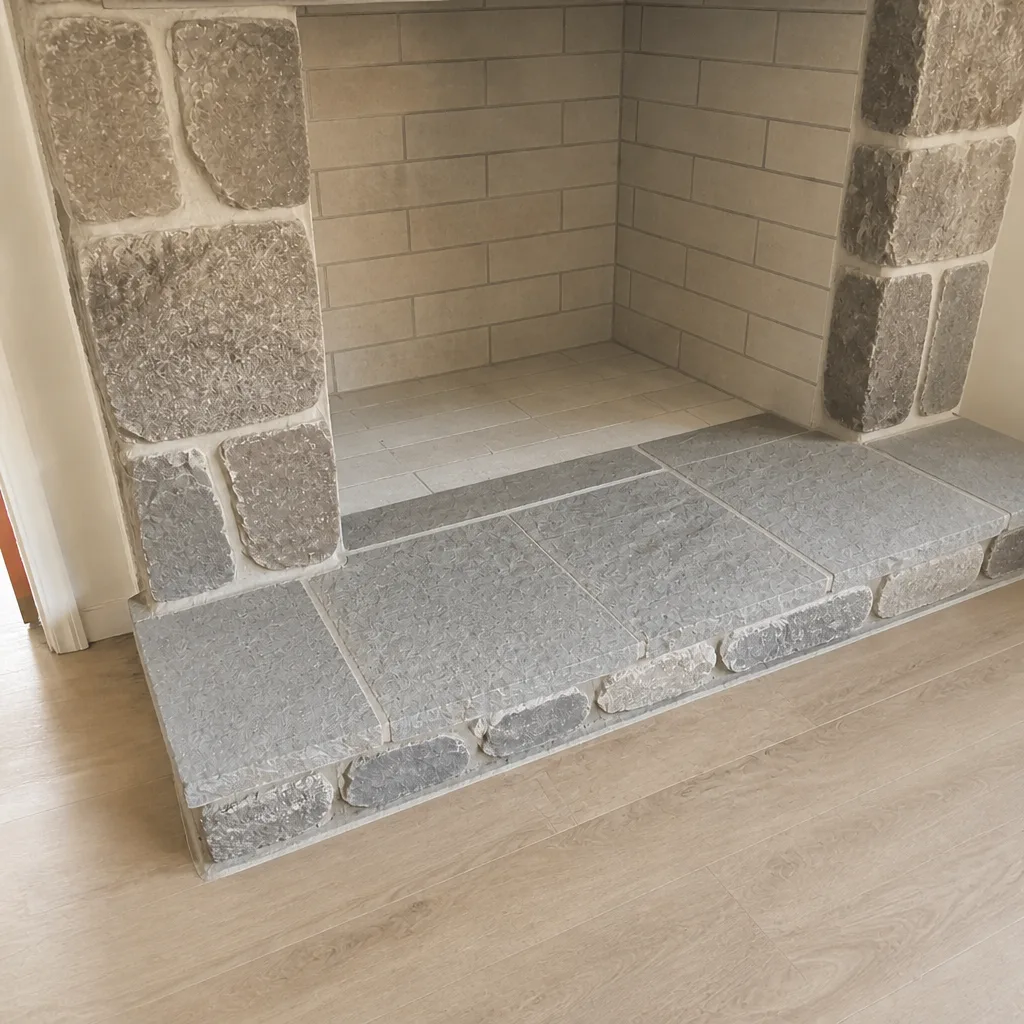
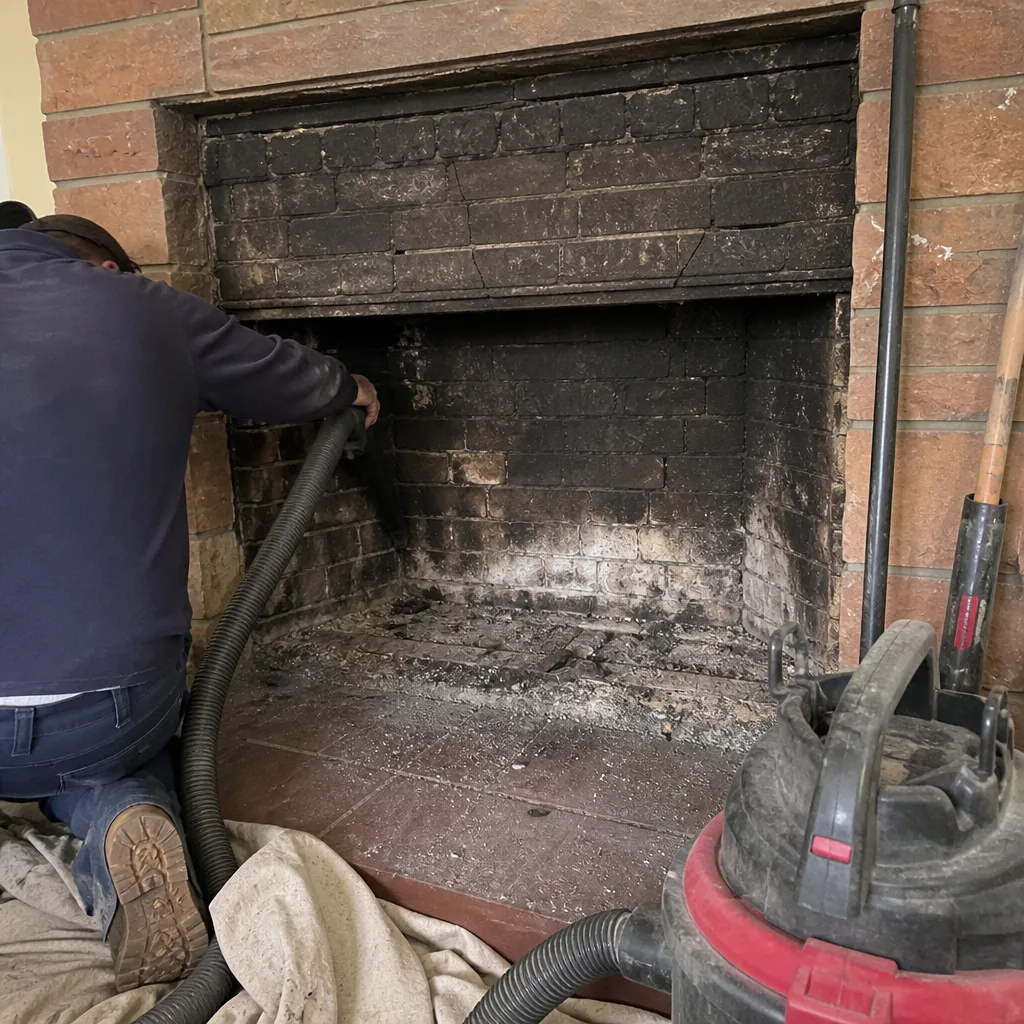
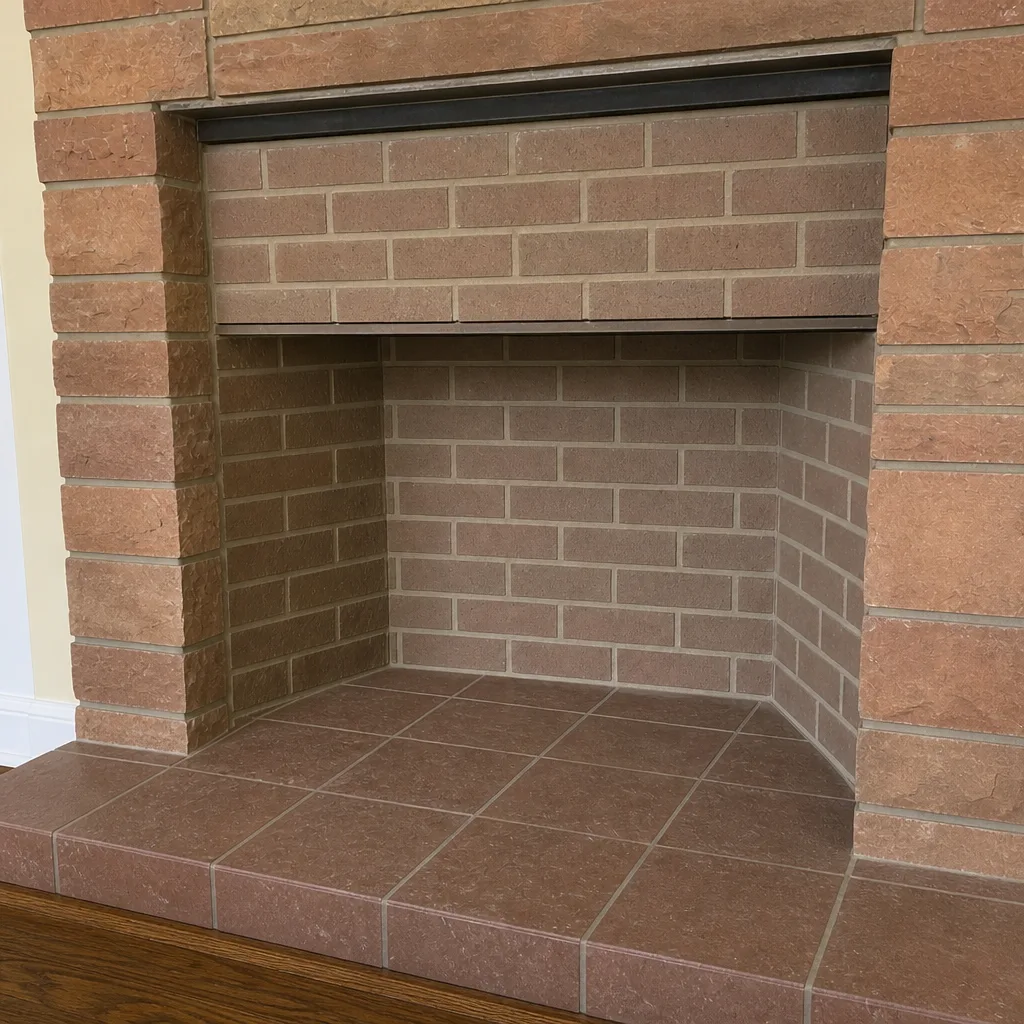
See the difference
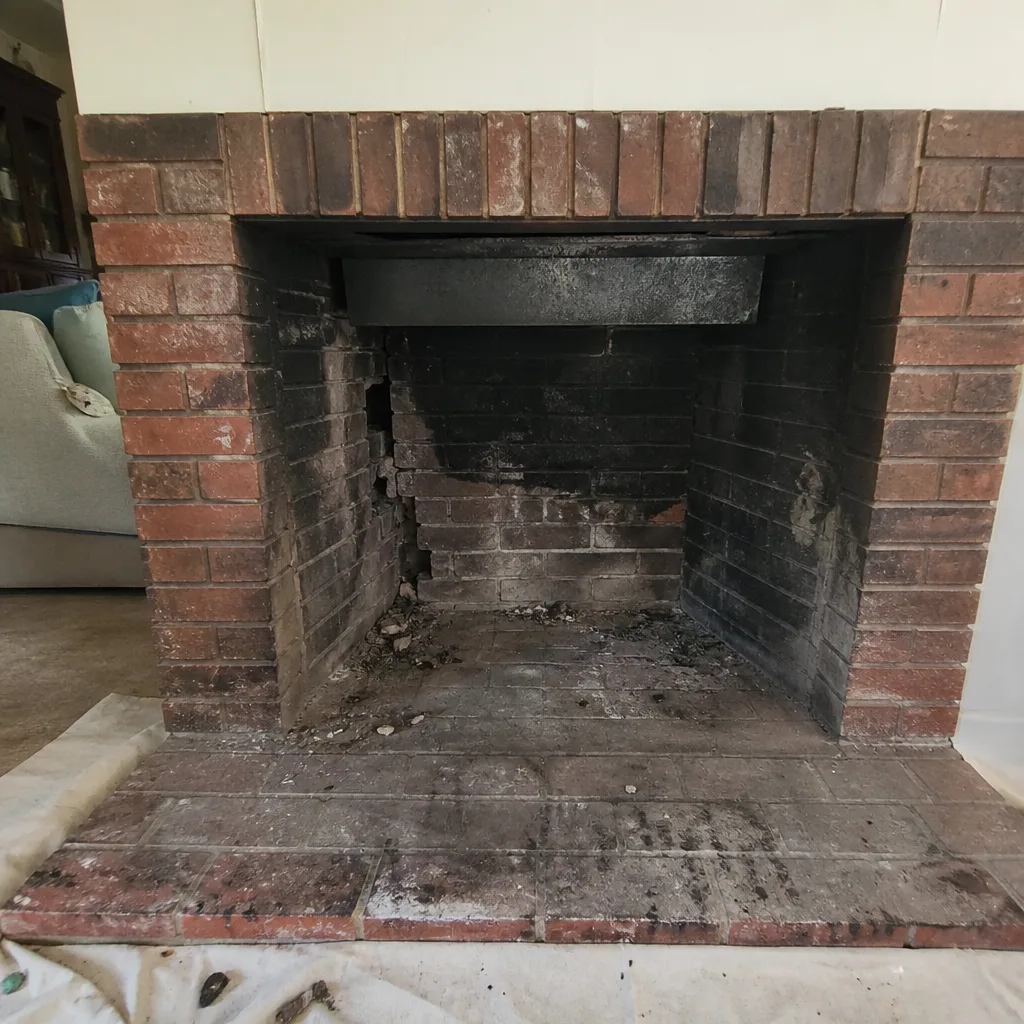 Before
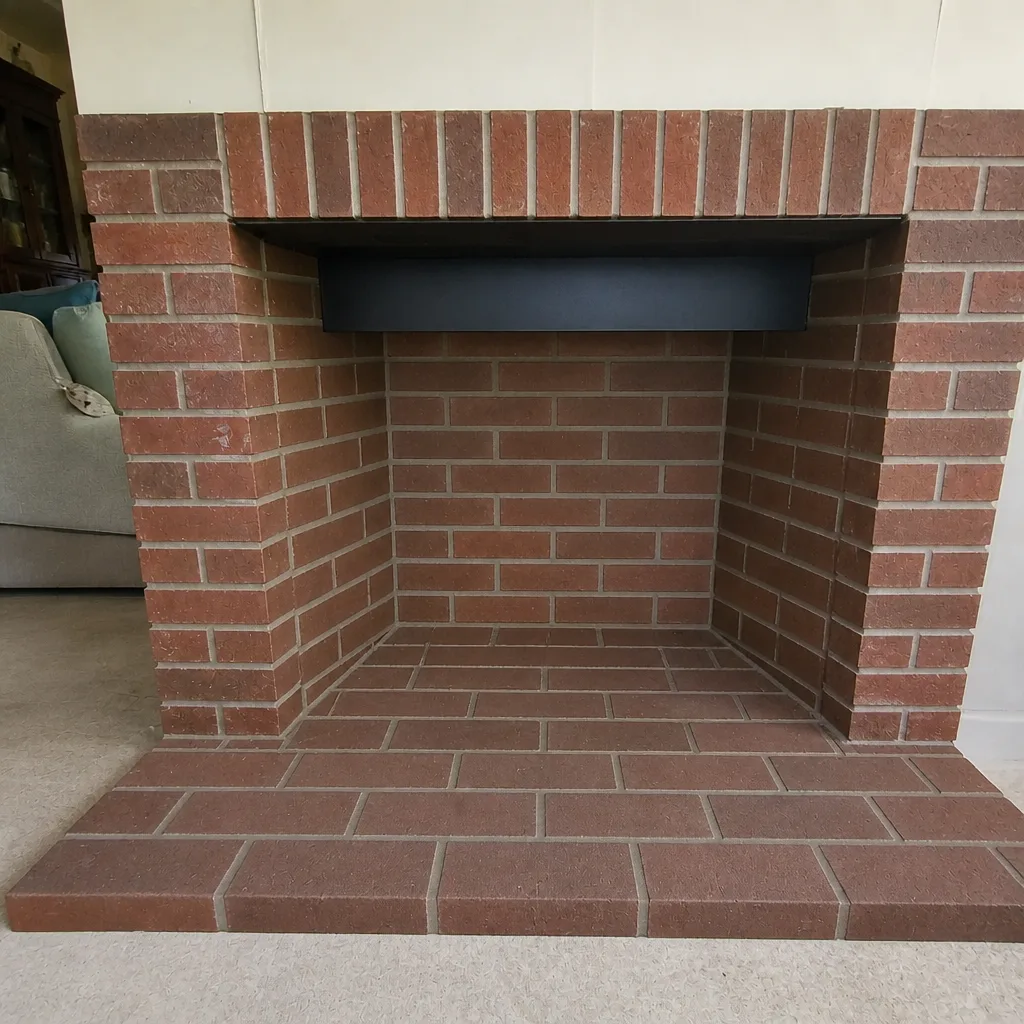 After
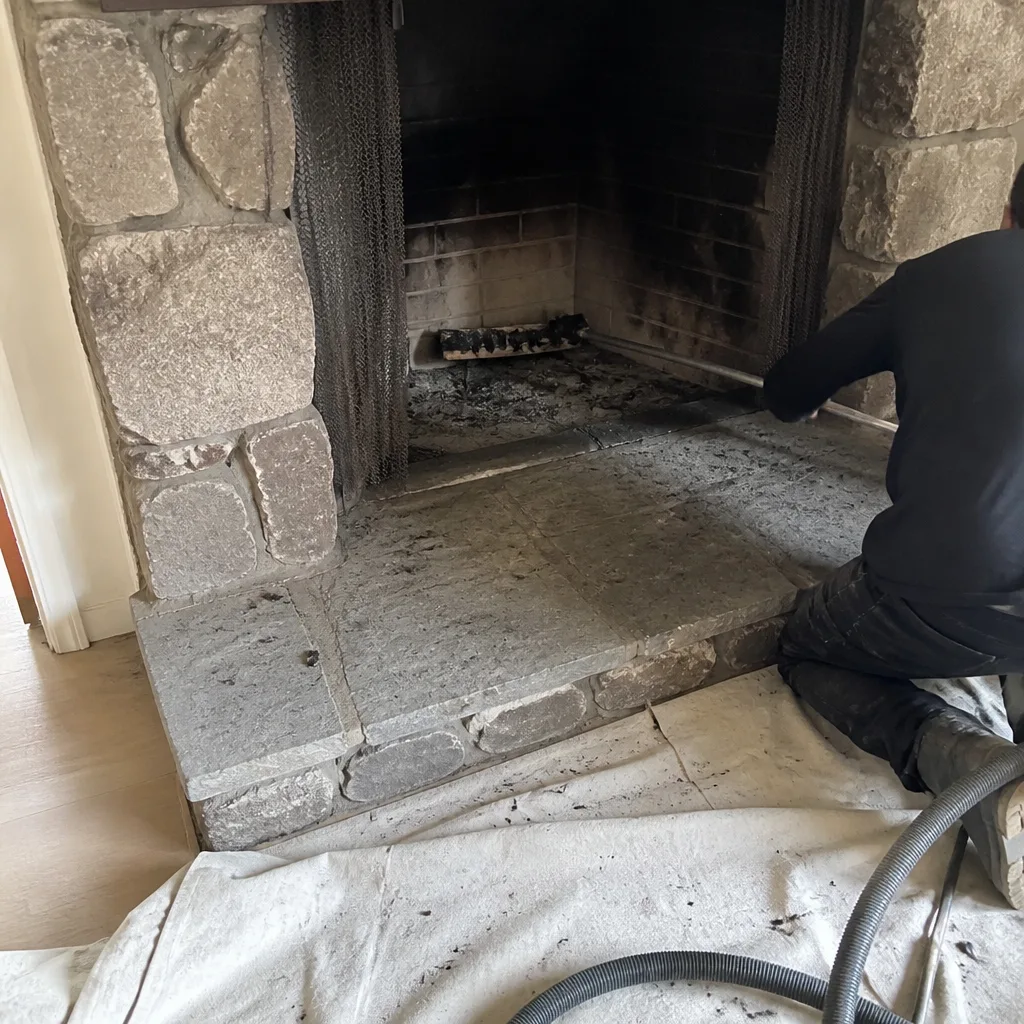 Before
 After
 Before
 After