
Last updated November 15, 2026
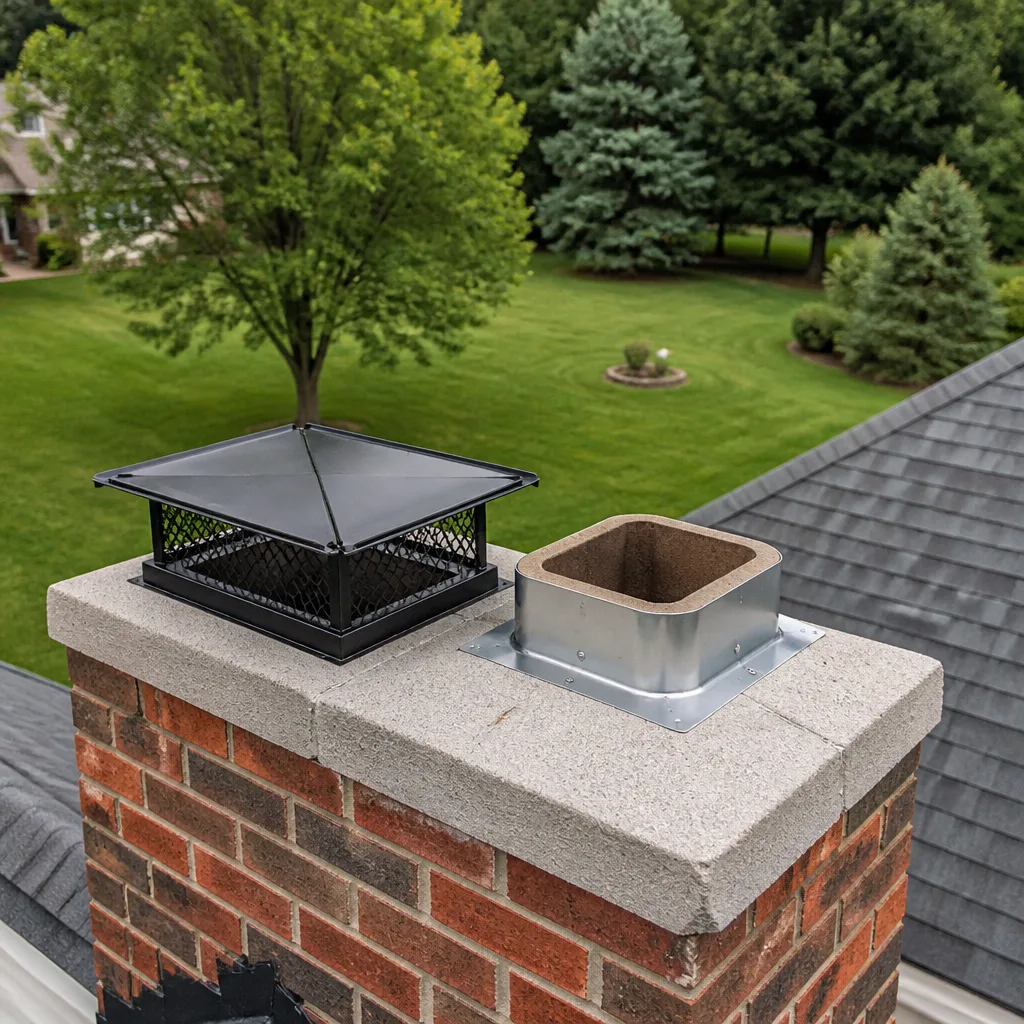 Sweep & inspection
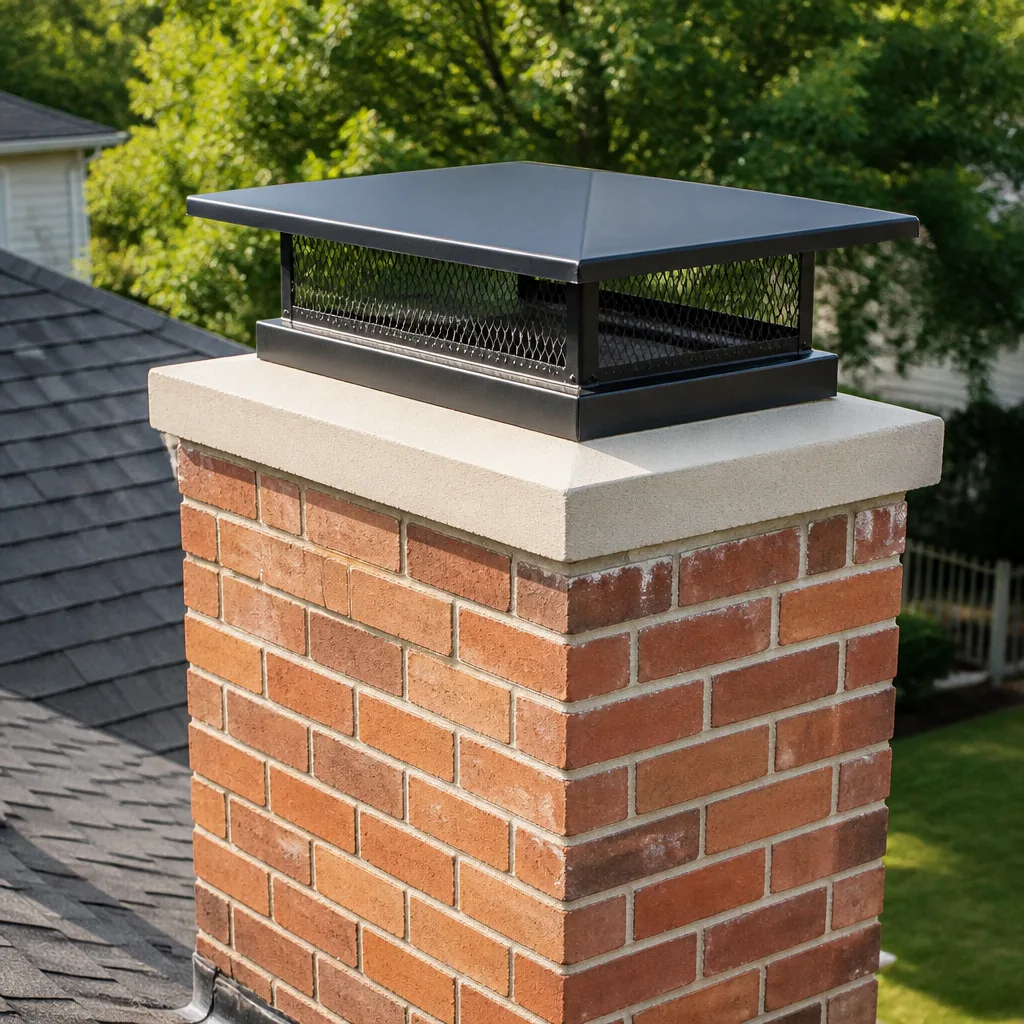 Caps & crowns
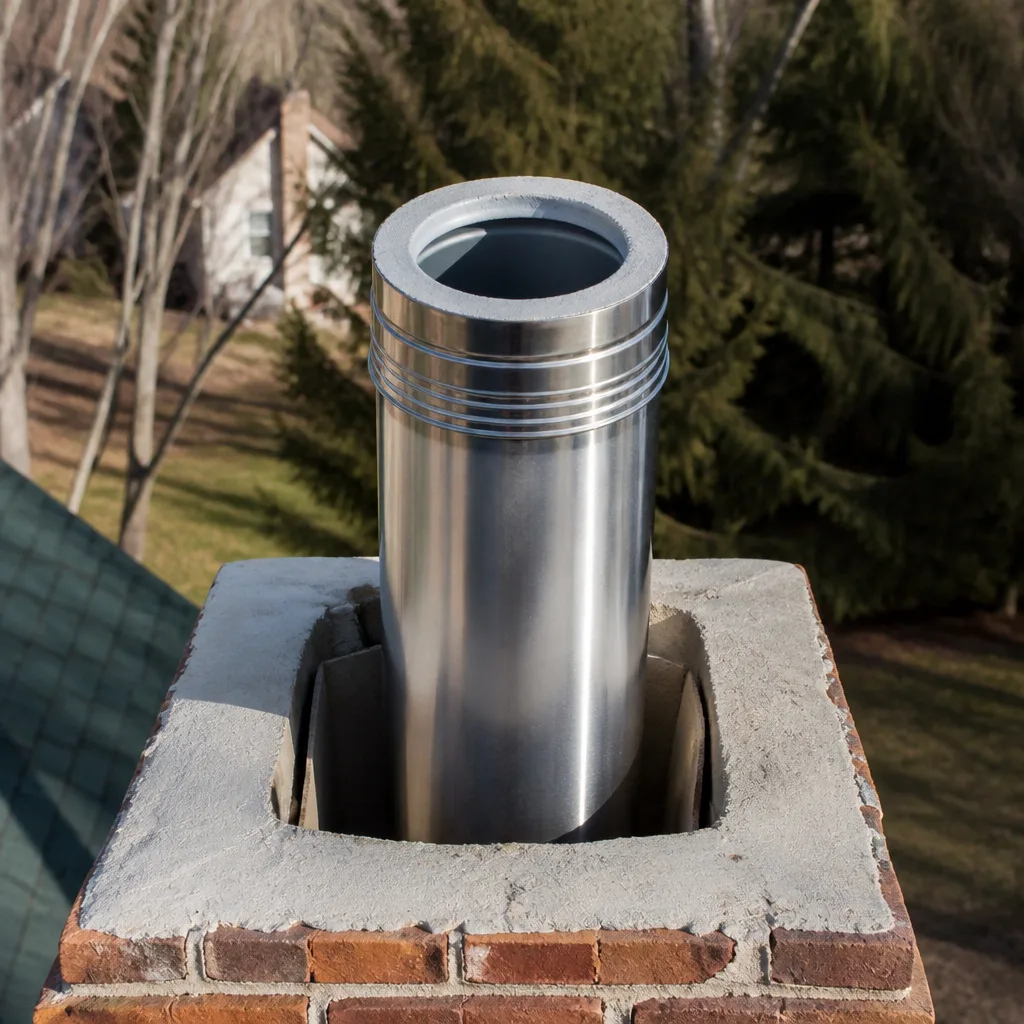 Flue relining
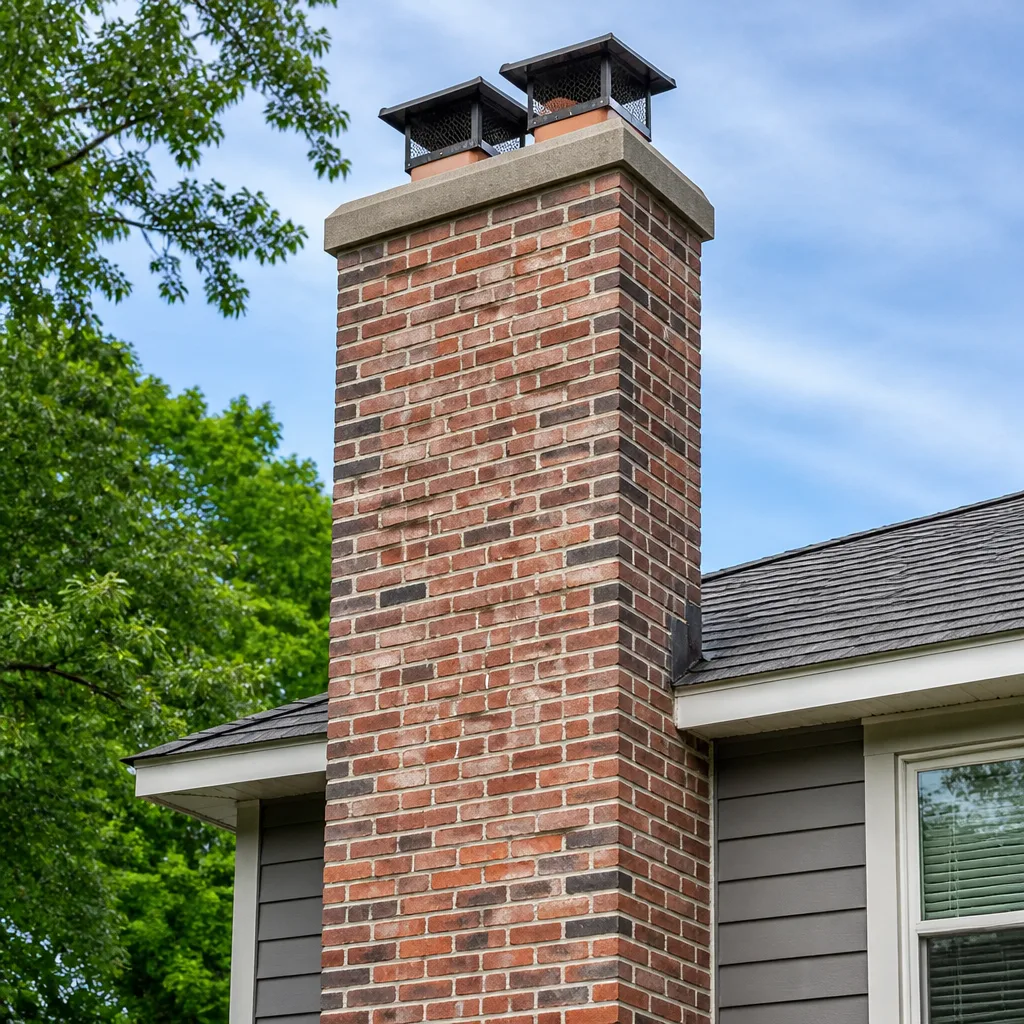 Masonry repair
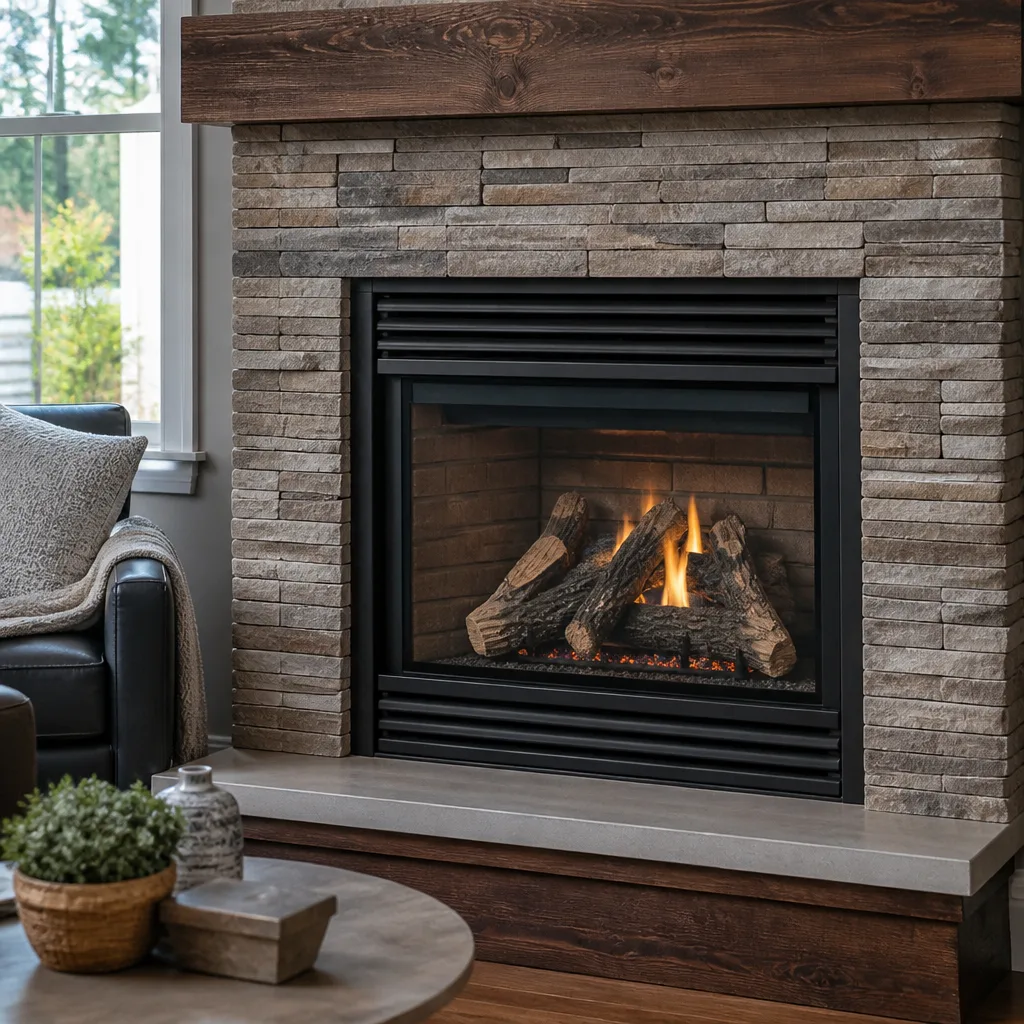 Gas fireplace service
Level 1 sweep and inspection to the NFPA 211 annual standard - flue, crown, cap, and flashing checked and photographed
Chimney sweep logs do not sweep chimneys. They loosen some creosote - which then falls where a brush and vacuum still have to collect it.
Chimney Cleaning Warning Signs: A Concord Homeowner’s Reference Guide
Most homeowners scan their fireplace for one thing: smoke curling into the room. If the room stays clear, they assume the chimney is fine. That’s the wrong test, and it’s why so many flues in older Concord homes reach the point of real damage before anyone notices. The signals that matter usually aren’t smoke. They’re a white haze on the firebox wall, a smell that shows up in summer, a rust streak on the damper, a stain on the brick outside. This guide walks through the warning signs we actually look for during an inspection, decodes what each one means, and explains which ones can wait and which ones can’t. By the end you’ll know what to check, when to worry, and what a typical Concord chimney job really looks like.
Quick Answer
The clearest chimney cleaning warning signs are a strong smoky or tar-like odor that lingers after the fire is out, a white or gray haze on the back firebox wall, rust streaks on the damper or firebox metal, crumbling or flaking firebrick, debris on the firebox floor, and draft problems that make the room smell smoky. Any one of these is a reason to book a chimney sweep and inspection – not necessarily a reason to panic, but a reason to have someone look.
Styles & brands we work with
- Sweep & inspection
- Caps & crowns
- Flue relining
- Masonry repair
- Gas fireplace service
Table of Contents
- The White Haze on Your Firebox Wall Isn’t Soot
- The Smell Test: What Chimney Odors Actually Mean
- Visual Signals Inside the Firebox That Point to Liner Damage
- Draft Problems Decoded: Blocked Flue, Undersized Flue, or Depressurization
- Exterior Signs You Can Spot From the Ground
- Stage 2 Creosote and Why “It Burned Fine Last Year” Fails
- What a Chimney Sweep in Concord Actually Involves
- When to Call a Professional
The White Haze on Your Firebox Wall Isn’t Soot
If you see a chalky white or pale gray crust on the back wall of your firebox, don’t scrub it and don’t assume it’s ash. That’s efflorescence, a mineral deposit left behind when water moves through masonry and evaporates on the surface. It means moisture is getting into the brickwork from somewhere outside the firebox – often a failing chimney cap, an open flashing gap, or a crown that’s developed a crack. By the time that haze shows up inside the firebox, water has been moving through the masonry for a while.
Concord’s climate makes this a slow, sneaky problem. Our wet winters deliver steady rain over months, and our dry summers pull moisture back out through the brick. That wet-and-dry cycle is exactly what drives efflorescence and, eventually, spalling. Here’s what to check:
- White or gray powder on the firebox wall – moisture movement, likely from above
- Flaking or chipped brick faces – spalling, where the surface breaks away as water expands inside
- Damp smell in the firebox – active water intrusion, not just residual moisture
- Rust on the damper frame – the same water reaching metal parts
Efflorescence by itself isn’t a safety emergency. But it’s a reliable early warning that the chimney exterior needs attention. Left alone in a Concord home, that moisture can work into the flue liner itself, and a wet flue liner combined with fresh creosote is a much worse problem than a dry one. If the haze is heavy, if you also see spalling, or if the smell of damp is strong, book an inspection before the next burning season so we can find the entry point and stop the water where it’s actually coming in.
The Smell Test: What Chimney Odors Actually Mean
Chimney smells are diagnostic. The type and timing of the odor tells you what’s happening inside the flue, and a lot of Concord homeowners write off a bad smell as “just what an old fireplace smells like.” It isn’t. Here’s how to tell the smells apart:
- Strong smoky, tar-like, or acrid smell – a buildup of creosote. If the smell is sharpest on hot summer days or after rain, the creosote inside the flue is reacting to heat and moisture and off-gassing back into the house.
- Animal or mild ammonia smell – birds, squirrels, or chimney swifts have nested in the flue or on top of the cap. The smell is the giveaway; the nest itself is also a draft and fire hazard.
- Musty or damp-earth smell – moisture getting into the masonry or flue, sometimes tied to the efflorescence above.
- Faint gas smell with a gas appliance – this one is different. If you have a gas fireplace or gas furnace and smell gas, leave the area and call your gas utility. Do not treat it as a chimney cleaning issue.
For wood-burning Concord homes, the smoky-tar smell is the most common. It also tends to be the most misunderstood. A mild odor in the first few cold weeks is normal as the flue warms up. But a smell that comes back in July or August, when the fireplace has been cold for months, is a sign that creosote has built up to the point where it’s no longer just an ash issue – the flue needs to be swept. If a smell lasts more than a few days during the off-season, book a sweep.
Visual Signals Inside the Firebox That Point to Liner Damage
The firebox and the parts just behind it give you some of the best early clues about liner health. You don’t need a ladder or a mirror to notice most of these. Before you build your next fire, take a flashlight to the firebox with the damper open and look for the following:
- Rust streaks or orange staining on the damper frame, the throat, or the firebox metal. Rust means moisture is present, and moisture plus heat is hard on a flue liner.
- Spalling firebrick – brick surfaces that are flaking, crumbling, or coming away in layers. That’s a failing firebox wall, and it can let heat reach the structure behind it.
- Debris at the firebox floor – not just ash, but chunks of mortar, brick, or flue tile. Debris that fell from above signals liner or masonry damage up the flue.
- Cracked or separated firebrick joints – visible gaps where mortar has failed between the firebrick.
- Soot texture – dry, flaky soot is normal. Black, shiny, hardened, or gooey soot is Stage 2 or Stage 3 creosote and requires professional removal.
When a firebox shows this kind of wear, the flue above it almost always shows more. That’s why the sweep and the inspection need to happen together. In our experience, a firebox with spalling firebrick and rust staining usually has some level of flue tile damage up top, and a proper camera inspection confirms the scope. This is also where professional-grade repair materials matter. Systems like HeatShield ceramic resurfacing can restore a deteriorating flue interior in qualifying cases without a full liner replacement, and when a full reline is the right call, a DuraFlex stainless liner is the standard residential solution. The point isn’t to sell you the heaviest repair. It’s to find the damage with a camera, show you what’s there, and match the repair to the actual condition.
Draft Problems Decoded: Blocked Flue, Undersized Flue, or Depressurization
A smoky room doesn’t always mean a dirty chimney. It usually means a draft problem, and there are three causes we see most in Concord. They need different fixes, so the diagnosis has to come first.
1. Blocked flue. Something is physically in the flue: a nest, a fallen tile, a broken damper, or a heavy creosote cap. Smoke backs up almost immediately, often on every fire. The fix is a sweep and removal.
2. Undersized or mismatched flue. The fireplace opening is too large for the flue size, or the flue is the wrong size for the insert or stove that was installed. The chimney can draw, just not enough. This one often shows up as a room that only smokes when the fire gets going, or when the wind is from a particular direction. It doesn’t mean the chimney is dirty. A flue that was fine for wood-burning may not vent a modern gas insert or wood stove without correction.
3. House depressurization. This is the one most homeowners never consider. Modern Concord homes are tighter than older ones. When kitchen exhaust, dryer exhaust, or a bathroom fan pulls air out of the house, it has to come back in from somewhere – and the chimney is one of the openings. The fire struggles to draft because the house is pulling air back down the flue. Bathroom fans and range hoods running together can cause it. If the fireplace only smokes when other exhaust fans are on, depressurization is a strong candidate.
The way to tell them apart is a proper inspection. We run a camera down the flue, check draft, measure the firebox opening against the flue size, and ask you how the fireplace behaves. Then we explain which of the three is happening, and why. No hand-offs, no guesswork.
Exterior Signs You Can Spot From the Ground
You don’t need to get on the roof to catch significant chimney problems. A walk around the outside of the house, with a pair of binoculars or a phone camera zoom, will show you a surprising amount. Standing at the base of the chimney, look for these:
- Staining patterns on brick. Dark streaks running down the side of the chimney usually mean water is entering a joint or flashing. White chalky staining on the brick outside is the same efflorescence you saw inside the firebox, and it’s the same moisture problem.
- Cap condition. The chimney cap is the metal or masonry top that keeps rain and animals out. A rusted, dented, or missing cap is one of the most common causes of water intrusion in Concord homes, and a new cap in a professional-grade product like Gelco is a straightforward fix.
- Flashing gaps. The flashing is the metal that seals the chimney where it meets the roof. Look for lifted edges, crumbling sealant, or daylight between the flashing and the shingles. In our wet winters, a small flashing gap is a long-term leak into the house.
- Crown cracks. The concrete or masonry crown sits on top of the chimney and sheds rain away from the flue. A cracked or spalling crown lets water reach the flue tile, and it’s often behind that mystery smell and dampness inside.
- Leaning or crumbling brickwork at the top of the stack. That’s a structural issue, and it needs to be repaired before the next wet season.
Exterior issues are also part of the same single-company scope. Once an inspector is on the roof looking for liner damage, they’re also looking at the cap, crown, and flashing. It makes sense to fix it all in one visit with the right materials rather than scheduling a separate contractor for each piece.
Stage 2 Creosote and Why “It Burned Fine Last Year” Fails
Creosote is a natural by-product of burning wood, and it builds up in stages. Stage 1 is a light, dusty soot you can brush away. Stage 2 is black, hardened, shiny, and more difficult to remove. Stage 3 is a thick, glazed coating that can only be removed with professional equipment. Stage 2 and 3 creosote are the fire risk – they’re the reason a chimney fire can happen even in a chimney that seemed fine all year.
The logic that fails here is: “It burned fine last year, so it’s fine this year.” Chimneys don’t get healthier with time, and creosote doesn’t stop building up after a single winter. What was a thin layer of Stage 1 soot at the end of one season can be a hardened Stage 2 coating by the end of the next. Two things accelerate that:
- How you burn. Smoldering, low-oxygen fires produce more creosote than hot fires. Cold fireboxes and unseasoned wood also produce more. So a chimney that was fine with seasoned wood can build up faster with wood that’s still damp.
- What the flue does between seasons. Over summer and fall, the creosote in the flue is exposed to heat and humidity. That’s the sharp-smelling off-gassing you notice in late summer – and it’s also the signal that the creosote is heavy enough to hold heat.
The warning signs we’ve covered on this page – the white haze, the off-season smell, the rust streaks, the flaking firebrick – are the ones that usually appear before a Stage 2 buildup reaches the flashing-point failure that causes a chimney fire. The catch is that none of them look like a fire hazard. They look like housekeeping. The other reason not to wait: a chimney fire isn’t the only risk. A blocked or failing flue can also back combustion gases, including carbon monoxide, into the home. That’s another reason to have a camera inspection before the burn season begins, not after. We tell you what we found, show you why it matters, and fix it with the right material for the job.
What a Chimney Sweep in Concord Actually Involves
A modern chimney sweep is not a guy with a brush and a drop cloth. At least, it shouldn’t be. A proper chimney sweep in Concord is a two-part visit: clean the flue and inspection of its condition. Here’s what a careful one looks like, step by step:
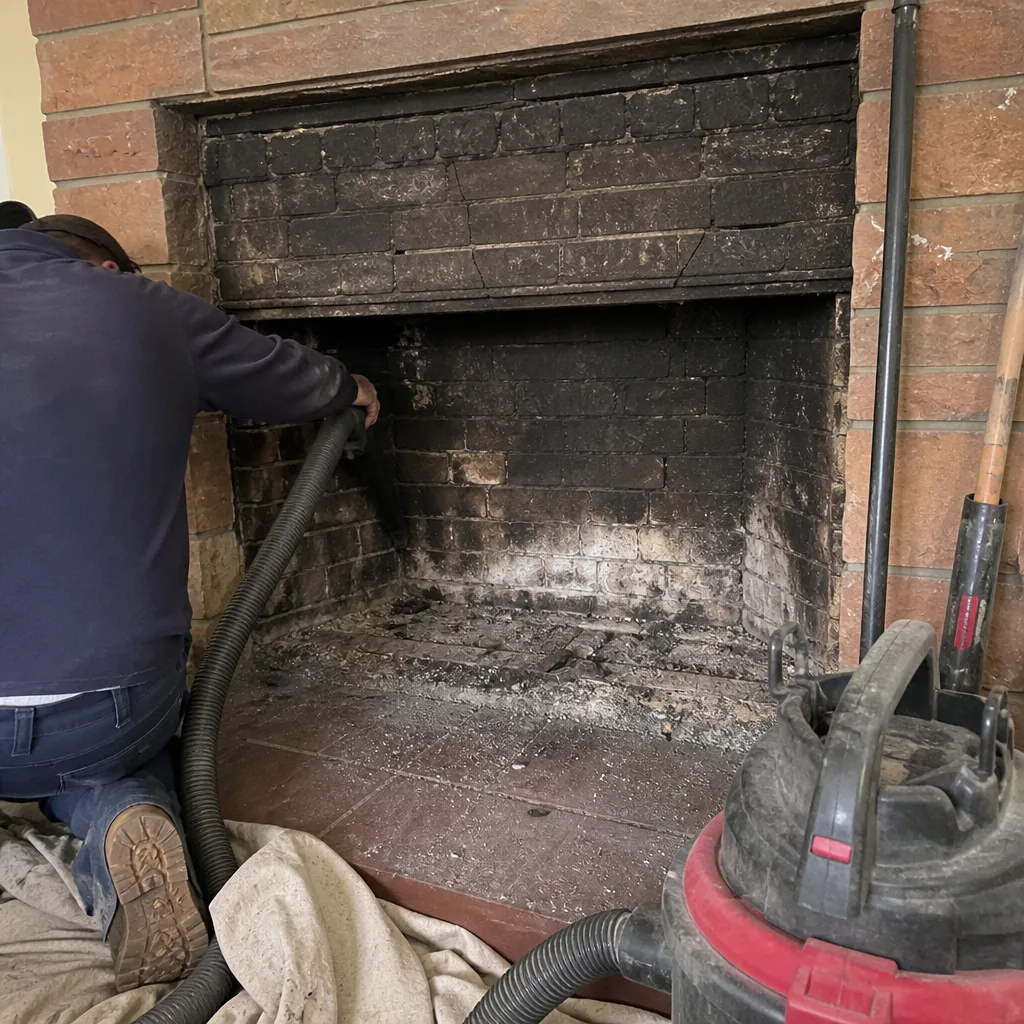
- Set up protection. Drop cloths over the hearth and surrounding floor, and a vacuum with a HEPA filter to keep the dust contained.
- Inspect before sweeping. A camera scan of the flue shows what’s inside before anything is brushed, which matters if there’s a nest, a broken tile, or structural damage.
- Sweep the flue. There are different brushes for different liners. A stainless DuraFlex liner takes a different brush than clay tile; the sweep should choose the right one so the liner isn’t damaged in the cleaning.
- Clean the firebox and damper. Ash, soot, and creosote removed from the firebox and the smoke shelf.
- Run a camera inspection. The inspector photographs the flue from top to bottom and records the condition, including any cracks, gaps, or Stage 2 creosote. You should get a copy.
- Report what was found. Fill you in on the results, explain any repair that’s needed and why, and say what can wait. A camera report and a photo is the whole point.
That’s the standard we hold to. We use professional-grade materials from suppliers like Copperfield and Olympia Chimney, the same wholesale sources used by career chimney professionals, not hardware-store substitutes. And we run the inspection, cleaning, and any repair with the same team, so you don’t get a sweep who tells you one thing and a repair crew who tells you another.
Common Mistakes to Avoid
- Looking only for smoke in the room. The most important warning signs – the smell, the white haze, the rust streaks – show up without any smoke at all. Smoke is the late stage, not the early warning.
- Treating the smell as normal. A fireplace that smells smoky in the summer isn’t “just what an old chimney smells like.” That off-season smell is creosote off-gassing, and it’s the sign to book a sweep.
- Ignoring a cracked cap or a flashing gap until winter. Concord’s wet season starts well before most homeowners think about the roof. Fix the cap and flashing in the dry season so water has no place to get in.
- Waiting for the first fire to “test” a chimney. A cold-season test fire is the worst time to find out the flue is blocked, because you’ll discover it with the whole house full of smoke. Have it checked before the burn season starts.
- Accepting a diagnosis with no camera evidence. If you’re told the flue is cracked and needs a full liner, ask to see the photo. Any repair should be demonstrated, not just described. If a technician can’t show you what they found, don’t agree to the work.
- Burning unseasoned or wet wood to save money. Damp wood produces more creosote and more smoke. It can cost you more in buildup than a load of seasoned wood would cost.
- Assuming a gas fireplace needs no attention. A gas appliance still vents through the flue and still needs inspection. The warning signs are different – the smell can be faint – but the maintenance is not optional.
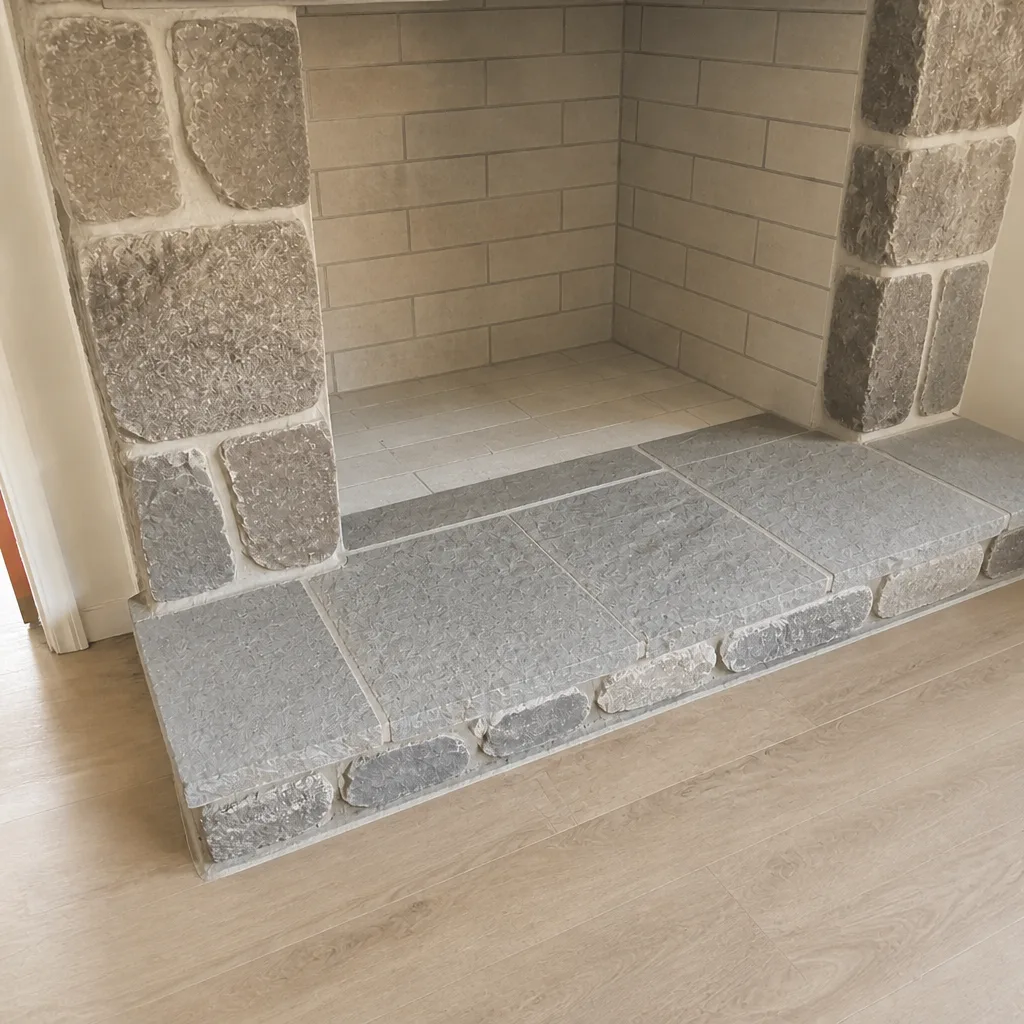
See the difference
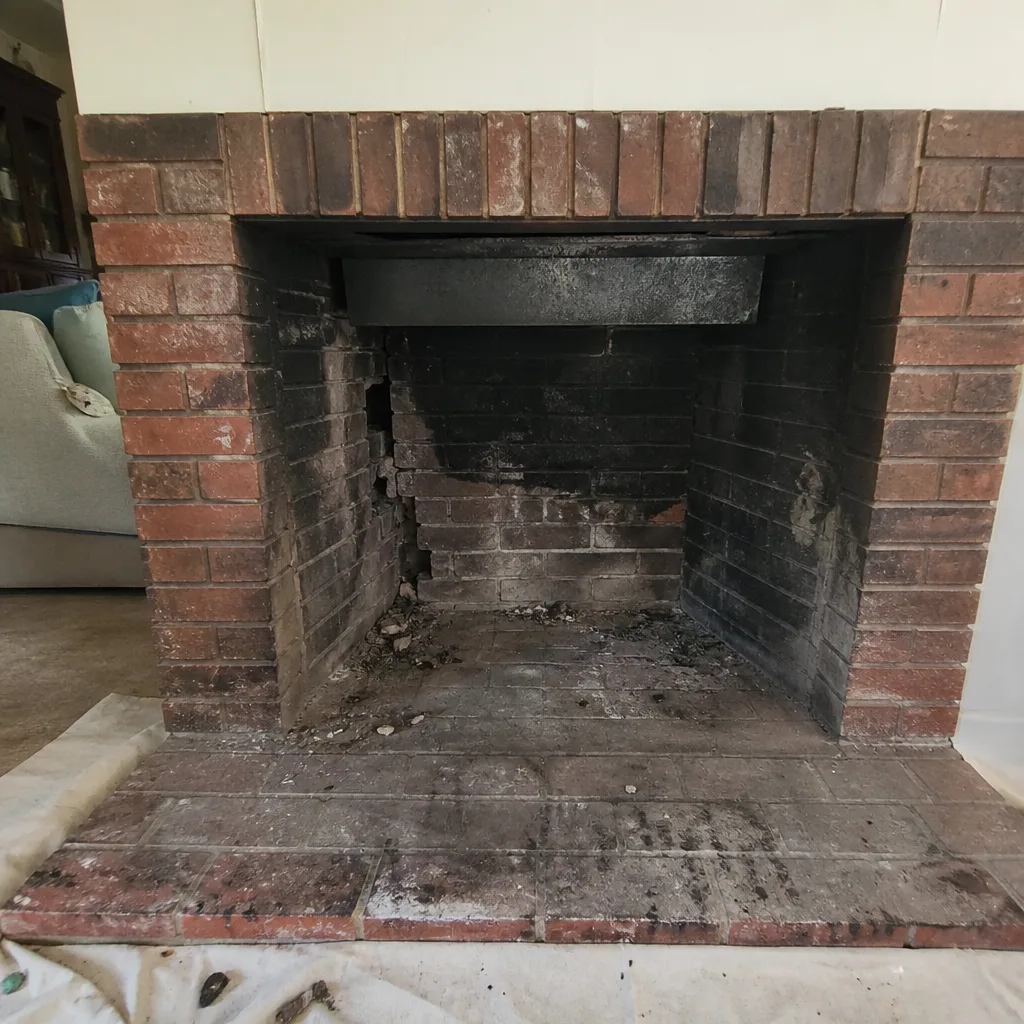 Before
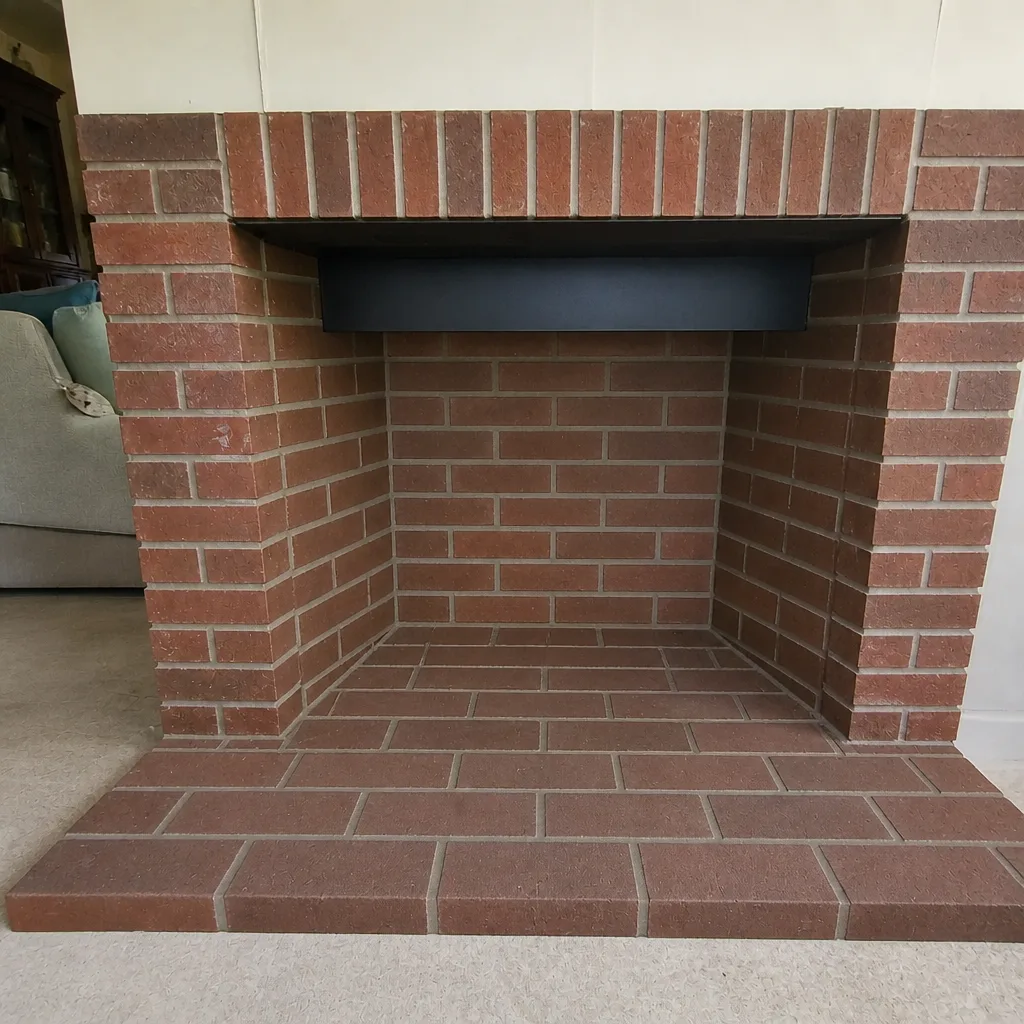 After
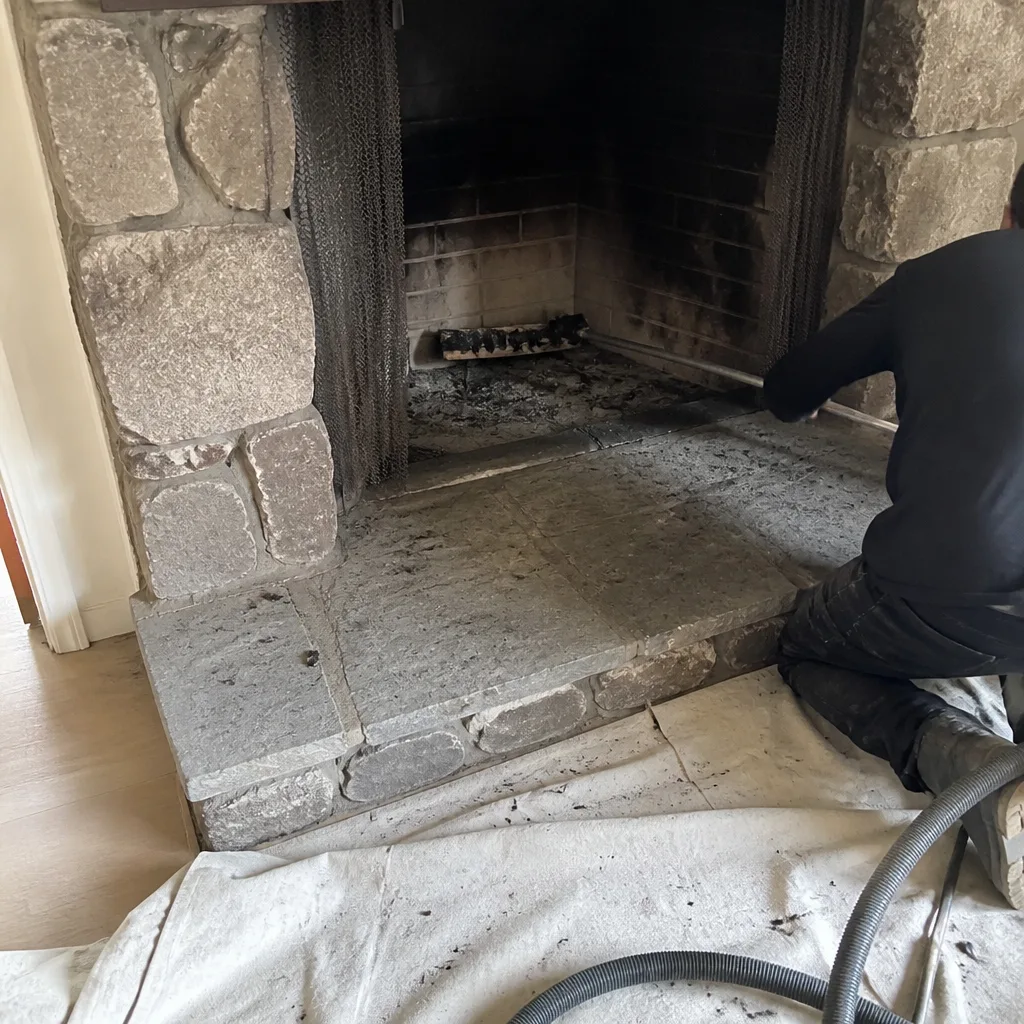 Before
 After
 Before
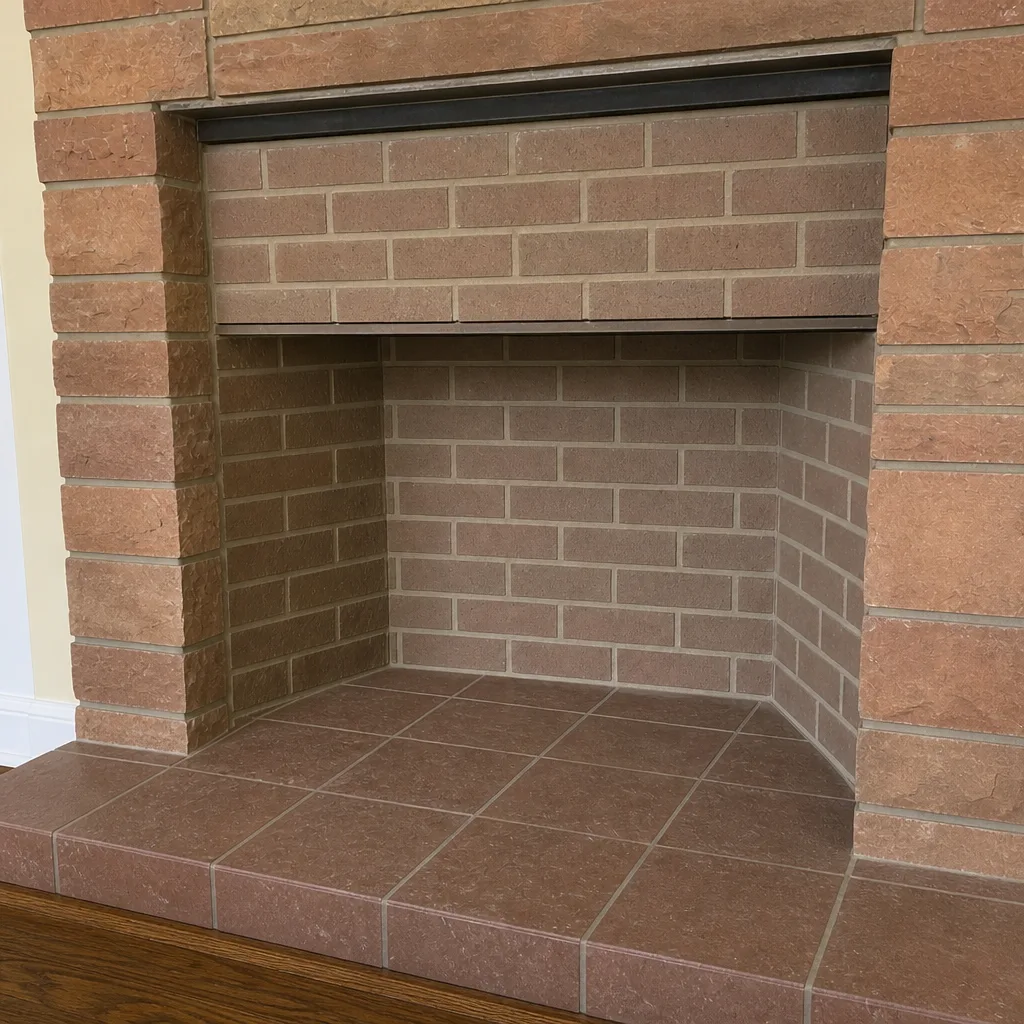 After
When to Call a Professional
Some of the signs on this page can wait a few weeks; some can’t. Call us when any of these are true: you smell a strong smoky or tar-like odor during the off-season; the firebox or flue has visible rust, spalling firebrick, or debris; the fire smokes into the room on a routine basis; or you can see staining, cap damage, or a flashing gap from the ground. Call sooner if the problem is recent, the room fills with smoke, or you smell gas with a gas appliance – leave the house and call your utility immediately for the gas smell. For everything else, a chimney inspection and sweep is the first step. The camera inspection tells us exactly what’s happening inside the flue, and the repair – if any – is sized to what the camera shows. Nothing is recommended without evidence you can see for yourself, and we say plainly when work can safely wait.
Stallion Chimney Sweep offers free estimates in Concord. Call (833) 434-1221. We answer 24/7. Fast dispatch from 7am to 7pm, Sunday through Friday. If you’re not sure whether what you’re seeing warrants a visit, call us and we’ll talk it through – an inspection is a much better idea than a guess.
Frequently Asked Questions
A standard chimney sweep and inspection in Concord typically runs in the low-to-mid hundreds of dollars, with a written estimate setting the final price. The cost depends on whether it’s a straight cleaning or a sweep plus camera inspection of a masonry or metal flue, and on what’s actually found inside. Call (833) 434-1221 for an exact quote – estimates are free.
A smoky smell in summer almost always means the creosote in the flue is off-gassing as the weather warms and humidity rises. The smell gets stronger on hot days and after rain. It’s a reliable sign that the buildup inside is heavier than it was at the end of last burn season, and it’s the right time to book a chimney sweep before the next burn season starts. Call us for an estimate.
You need a new liner only if a camera inspection shows your existing liner is cracked, separated, or beyond what ceramic repair can restore. Some damage can be handled with HeatShield ceramic resurfacing rather than a full reline, and we say so when that’s the case. If we recommend a DuraFlex stainless liner, we show you the photo of the damage first. Call (833) 434-1221 to book an inspection you can verify.
Skipping a cleaning lets creosote continue building up, and it does not stop. What starts as Stage 1 soot can harden into Stage 2 or Stage 3 creosote, which can catch fire during a routine burn. A failing or blocked flue can also back carbon monoxide into the house. A sweep is the cheap version of this problem. Call us at (833) 434-1221 – estimates are free.
Most wood-burning chimneys need a sweep and inspection once a year, though a home that burns frequently or burns unseasoned wood may need more often. The right interval depends on how much you burn and what’s inside the flue, so the camera inspection each visit is the real check. Booking a sweep before the burning season starts is the practical habit. Call (833) 434-1221 for an estimate.
No, the white powder itself – efflorescence – isn’t dangerous, but it’s a signal that water is entering your masonry from outside. Left alone, that moisture can damage the flue and the brick. The right next step is a roof-level check of the cap, crown, and flashing to find the entry point. Call (833) 434-1221 and we’ll take a look at the exterior and the flue.
Yes, and summer is actually the best time to do it. The weather lets us get to the roof safely, and you have time to schedule any chimney repair before the first cold night. The camera inspection shows the same condition in July as it does in November. Call (833) 434-1221 to book it.
A blocked flue has something physically inside it – a nest, a fallen tile, a broken damper – and usually smokes on every fire. A draft problem means the flue itself is fine but the chimney isn’t drawing enough air, either because the flue is the wrong size or the house is pulling air back down. They need different fixes, and only an inspection tells you which one you have. Call (833) 434-1221 for an estimate.
The Bottom Line
The warning signs that matter most aren’t the dramatic ones. They’re the white haze on the firebox wall, the smoky smell in summer, the rust streaks on the damper, the spalling firebrick, the staining on the brick outside. Each one is a readable signal about what’s happening inside the flue – moisture, creosote, liner wear, or a draft problem. The reason to act isn’t urgency; it’s that a camera inspection turns guesswork into a picture you can see for yourself. We tell you what we found, we show you why it matters, we fix it with the right material, and we say plainly when work can wait. If you’re seeing any of these signs in your Concord home, start with a sweep and inspection.
To book a chimney sweep, inspection, or chimney repair, call Stallion Chimney Sweep at (833) 434-1221 for a free estimate. We answer 24/7. Fast dispatch from 7am to 7pm, Sunday through Friday. Stallion Chimney Sweep handles inspection, cleaning, and repair with the same team, using professional-grade materials, so you get one diagnosis and one standard from start to finish. Our technicians have up to experience, and every job begins with an honest assessment you can see for yourself.
Written by the team at Stallion Chimney Sweep.