
Last updated November 15, 2026
 Sweep & inspection
 Caps & crowns
 Flue relining
 Masonry repair
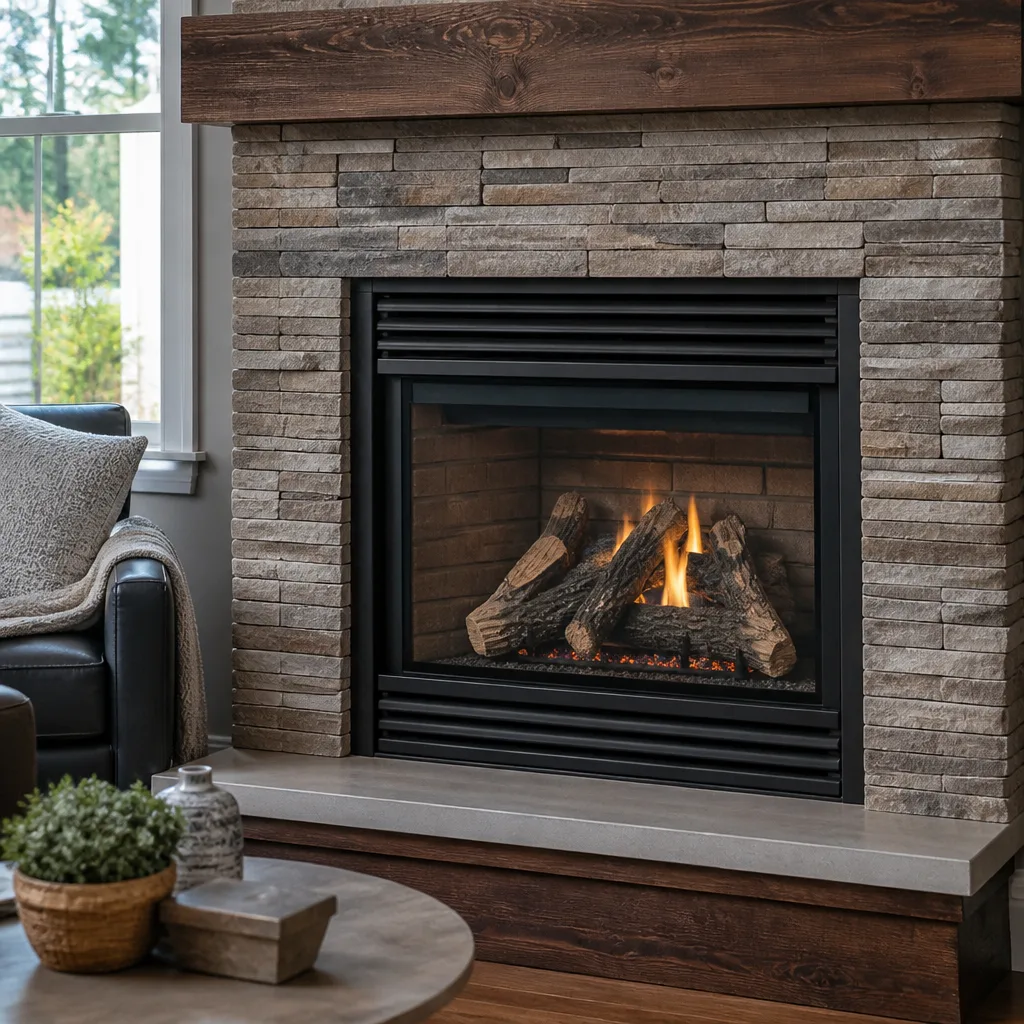 Gas fireplace service
Level 1 sweep and inspection to the NFPA 211 annual standard - flue, crown, cap, and flashing checked and photographed
Chimney sweep logs do not sweep chimneys. They loosen some creosote - which then falls where a brush and vacuum still have to collect it.
Chimney Sweep Maintenance Checklist for Concord Homeowners
Most chimney checklists you’ll find online start and end with “schedule a sweep once a year.” That’s the easy part. The real work happens in the ten minutes you spend walking around the outside of your house and the five minutes you spend looking inside your firebox before you ever pick up the phone. The chimney cap is the most-replaced component on East Bay homes, and most homeowners don’t notice it’s cracked or missing a screen until they find a bird’s nest in the smoke chamber or a water stain spreading across the firebox ceiling. This checklist is built around what a sweep actually inspects in Concord – the structural and draft-performance details that getting ahead of saves you from a much bigger repair. You’ll learn what to check yourself, what to leave to us, and how to time it all before the first fire of the season.
Quick Answer
A complete chimney maintenance checklist for a Concord home covers four things: an exterior walk-around to check the cap, crown, flashing and mortar joints; safe interior checks of the damper, firebox and smoke chamber; a draft test with a sheet of newspaper; and a professional sweep and inspection once a year, ideally between late September and your first fire. Most of the homeowner checks take under 20 minutes and cost nothing. The professional visit is the one that catches what you can’t see – the flue interior, the liner condition, and the creosote load that a visual glance from the firebox won’t reveal.
Styles & brands we work with
- Sweep & inspection
- Caps & crowns
- Flue relining
- Masonry repair
- Gas fireplace service
Table of Contents
- Why a Checklist Beats a Reminder
- The Pre-Season Exterior Walk-Around
- Interior Checks You Can Do Safely
- The Newspaper Draft Test
- Concord Seasonal Timing: The September Window
- What a Professional Inspection Actually Covers
- What to Log After Every Service Call
- Common Mistakes to Avoid
Why a Checklist Beats a Reminder
A reminder on your phone tells you to book a sweep. A checklist tells you what to look at while you wait, and what to flag when the technician arrives. Those are different jobs, and only one of them is designed to catch a problem before it gets expensive.
The gap between the two matters more than most homeowners realize. The conditions that turn a routine sweep into a major repair – a hairline crack in the crown, a lifting flashing edge, a cap screen that’s rusted through – rarely announce themselves with smoke backing into the room. They develop quietly over a season or two and only surface once water has had time to work into the masonry, or once a bird has taken up residence in the flue. A structural inspection catches those conditions early. A cleaning-only visit typically doesn’t, because the technician’s job is to sweep, not to look up at the cap from the roof line.
In our experience, the chimney problems that cost the most in Concord homes are the ones nobody was looking for. A checklist fixes that by giving you a specific set of things to check, in a specific order, at a specific time of year. It’s not a substitute for a professional inspection. It’s the thing that makes the professional inspection more productive, because you arrive at the appointment already knowing which conditions you noticed and where you want the technician to look closely.
One more point on why the checklist structure matters: it’s repeatable. A list you run through every October, in the same order, produces consistent notes year over year. A vague reminder produces a vague memory of “that looked a little rough last time.” The paper trail from the checklist is what turns chimney maintenance from a chore into a documented record of your home’s condition – and that record matters later, which we get into further down.
The Pre-Season Exterior Walk-Around
Before you call anyone, walk the outside of your house and look at four things: the chimney cap, the crown, the flashing where the chimney meets the roof, and the mortar joints. This walk-around takes about ten minutes with a pair of binoculars and a phone camera. You don’t need to climb anything. Binoculars from the ground are enough to see the cap and crown clearly in most single and two-story Concord homes.
Here’s what to look for on each:
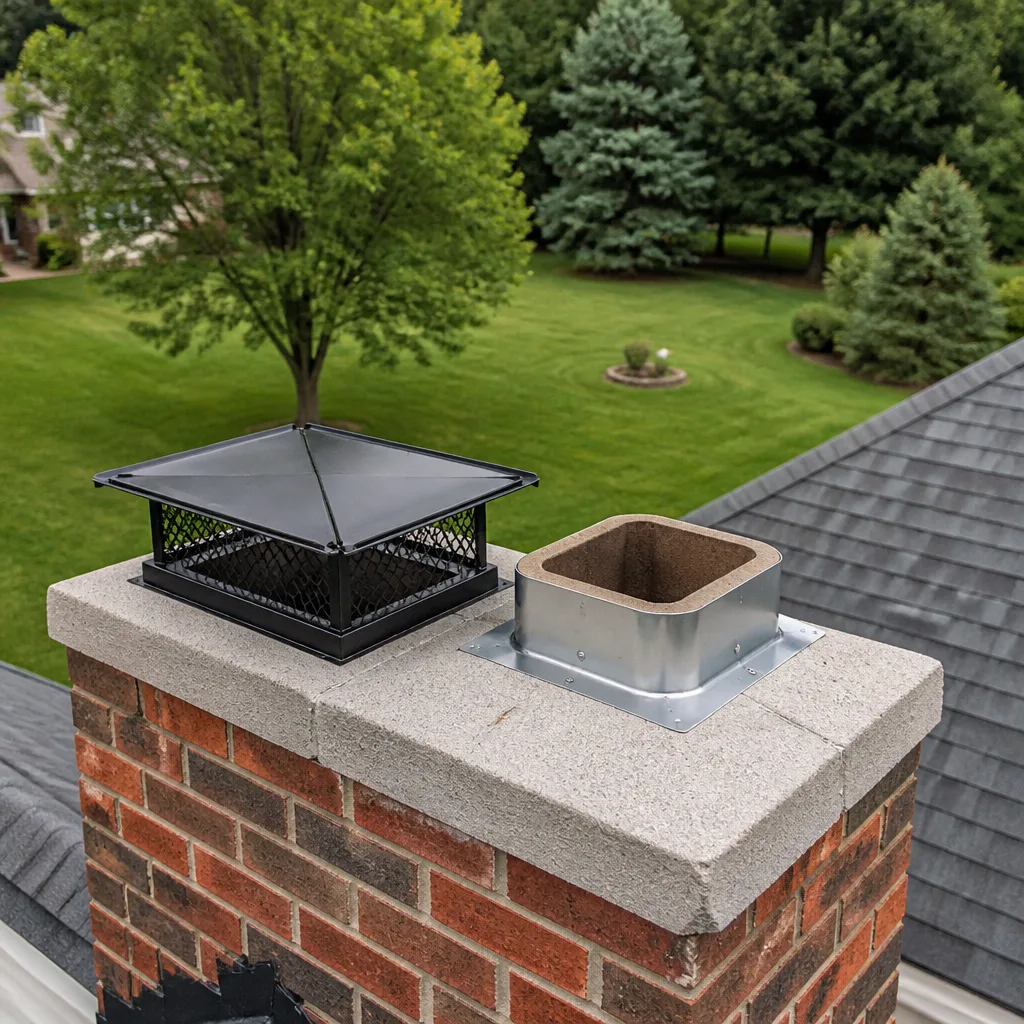
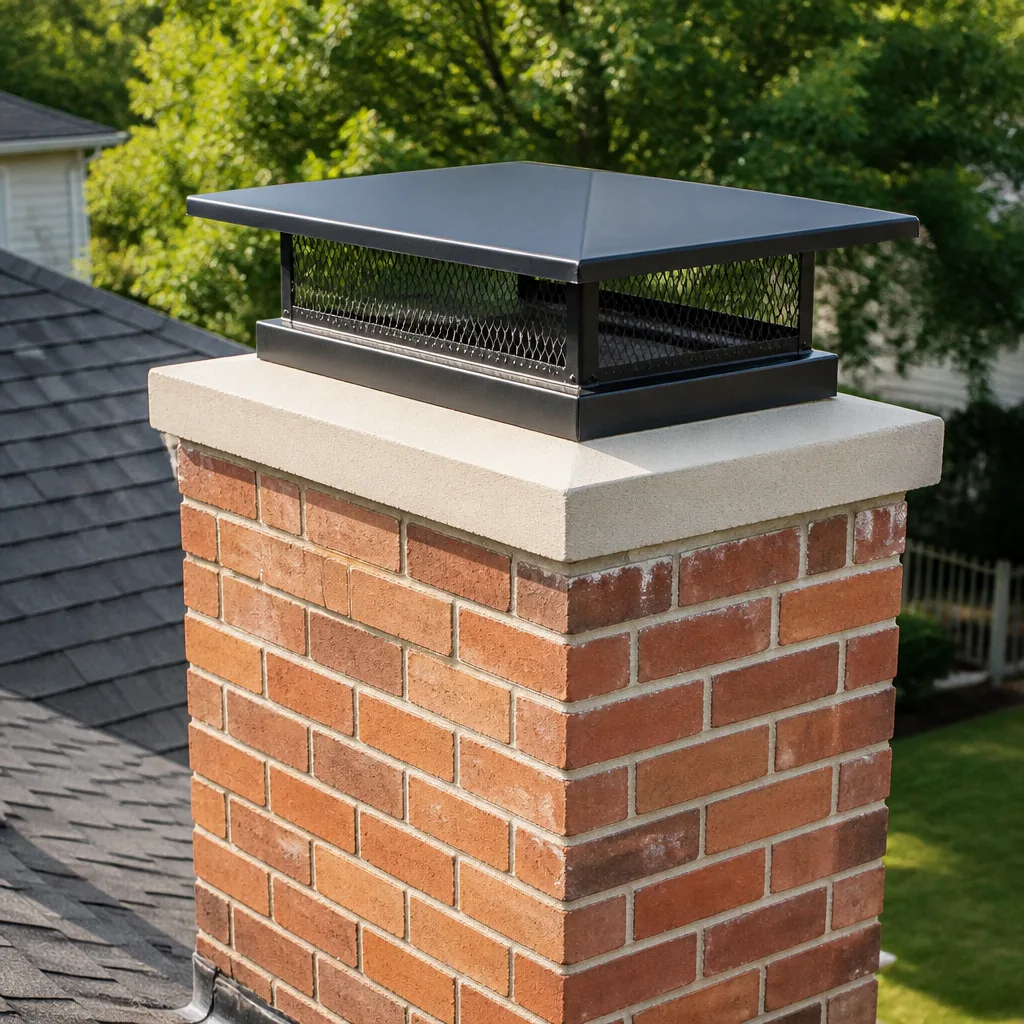
- Cap: Is the cap still seated straight on top of the flue? Are the screen panels intact, or are there gaps, rust-through, or missing sections? A Gelco or Famco cap in good condition sits flush, with the screen tight and the edges square. A cap that’s tilted, cracked, or missing screen is the single most common exterior issue we find on East Bay homes, and it’s also the cheapest thing on this list to fix.
- Crown: The crown is the concrete or mortar cap that slopes away from the flue to shed water. It should be uncracked and pitched away from the flue in every direction. Hairline cracks are normal over time. Cracks wide enough to catch a fingernail, or areas where the crown has pulled away from the flue, are the ones that let water into the masonry.
- Flashing: The metal flashing at the roofline should sit tight against the chimney and be sealed along its top edge. Look for lifted corners, rust streaks down the masonry below, or visible gaps between the flashing and the chimney wall.
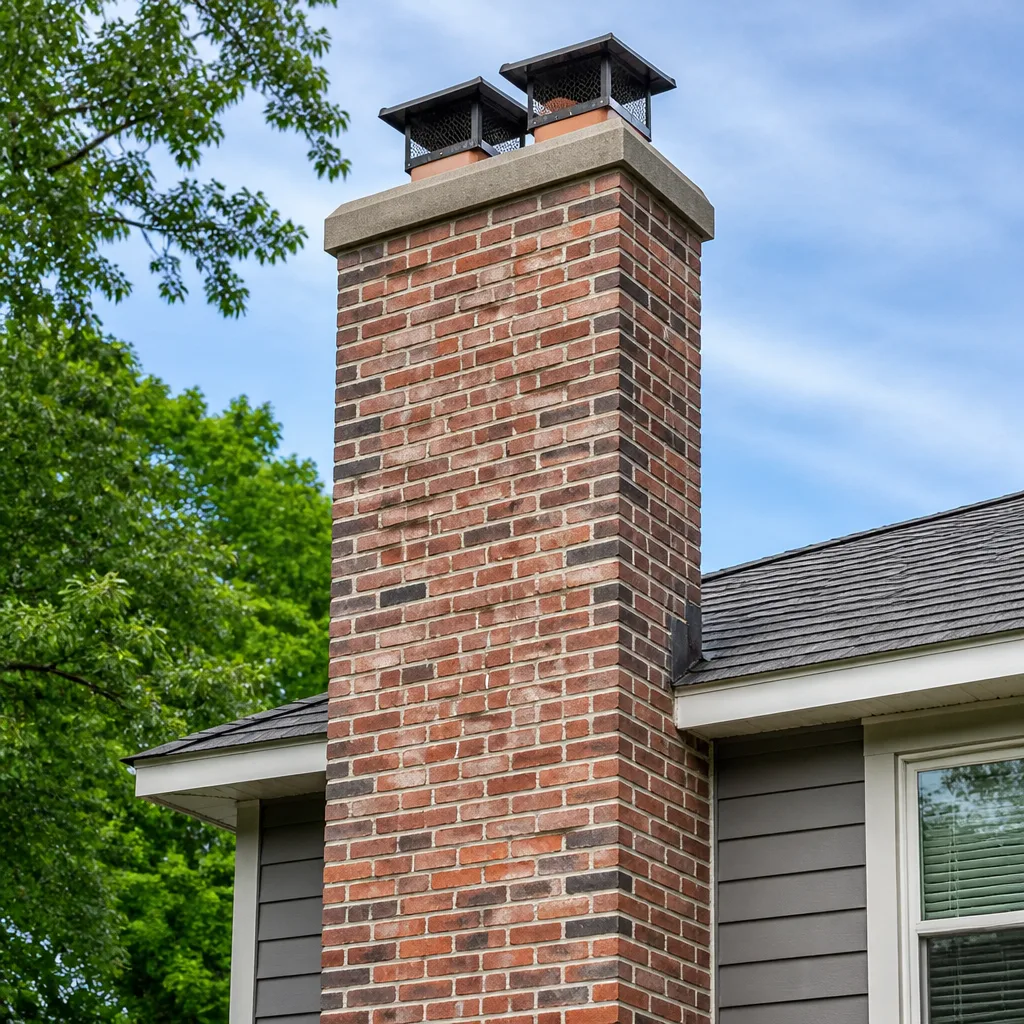
- Mortar joints: Scan the brickwork for missing mortar, crumbling joints, or white powdering on the surface. Any of those suggest water is already getting in somewhere above.
Take photos at each step. If you spot something, the photo is what you show the technician, and it’s also what you compare against next year to see whether the condition has moved. If the cap or crown looks damaged, don’t ignore it because the fireplace still works. Water intrusion through a failed cap or crown is how a working fireplace becomes a structural repair, and the fix is much smaller when it’s caught on the walk-around instead of after a season of rain.
Interior Checks You Can Do Safely
Inside the house, there are three checks a homeowner can do safely without tools and without climbing into anything: damper operation, a visual of the smoke chamber, and the condition of the firebox brick. All three take under five minutes and none of them require you to open or disassemble anything.
- Damper operation. With the fireplace cold and no fire in the box, reach up and move the damper through its full range. It should open smoothly, hold open on its own, and close flush. A damper that sticks, drops partway, or won’t seal completely lets heat out of the house when the fireplace is idle and lets smoke back into the room when it’s in use. If it grinds or feels loose on its hinge, note it for the technician.
- Smoke chamber visual. Shine a flashlight up past the damper into the smoke chamber – the sloped area above the damper that funnels smoke into the flue. You’re looking for heavy soot buildup, obvious cracks, or any visible gap where the chamber meets the flue. You’re not diagnosing it; you’re noting what you see so the technician can inspect it properly.
- Firebox brick condition. Look at the brick lining the firebox. The brick itself should be intact. Check the joints between bricks for missing mortar or crumbling. Check for any crack that runs through a brick rather than just the mortar line. Cracks that go through the brick, or gaps in the mortar wide enough to slip a coin into, need to be looked at by a professional before the next fire.
What you should not do: reach up into the flue, try to clean anything yourself, or burn a test fire to see if a problem clears up. The flue interior is where the actual hazards live – creosote accumulation and liner cracks – and that’s not a place to explore without the right tools and training. What you can do is document what you see and hand that information to the technician at the appointment. It makes the inspection faster and it makes sure nothing gets missed because you weren’t sure whether to mention it.
The Newspaper Draft Test
A single sheet of newspaper tells you whether your flue is drawing correctly. This is the simplest draft performance check a homeowner can run, and it catches a surprising share of the problems that get blamed on “the fireplace just smokes sometimes.”
Here’s the test, run on a cold fireplace with no ash or embers in the box:
- Open the damper fully.
- Crumple one sheet of newspaper loosely – don’t roll it tight – and hold it near the open damper with a pair of tongs or a long lighter.
- Light the paper and watch the smoke. It should rise cleanly up into the flue with no spill into the room.
- Hold the lit paper just inside the firebox opening. The smoke should continue to rise straight up, not curl out over the top of the opening or drift toward the room.
If the smoke rises cleanly in both positions, your flue is drawing correctly on a cold start. If smoke spills into the room, curls back down, or hangs in the firebox instead of rising, the flue isn’t drawing properly. That can be a creosote blockage, a damaged liner, a smoke chamber that needs work, or a house pressure issue – and it needs a professional diagnosis before you light an actual fire.
Run this test once in the fall before your first fire, and again any time the fireplace starts behaving differently than it did last season. A flue that drew fine last winter and spills smoke this winter is telling you something changed inside the chimney. Don’t push through it with a hotter fire or leave the room while the fire catches; those are exactly the conditions that let smoke and carbon monoxide back into the living space. If the draft test fails, that’s a call to a professional, not a workaround.
Concord Seasonal Timing: The September Window
The best time to book a chimney sweep in Concord is between late September and the first fire of the season. That window matters more here than it does in colder climates, and the reason is straightforward: our winters are mild, so the fire season is short and concentrated. Fires get lit later, they get lit more heavily when the weather turns, and they stop earlier in the spring. The result is a compressed burn season that loads a whole winter’s worth of creosote into a handful of months.
That compression changes the timing calculus. In a colder climate, a homeowner might burn from October to April and have plenty of slack in the calendar to book a sweep in November or December. In Concord, the first cold snap is often the trigger for the first fire, and by the time the sweep is booked, the fireplace has already been running for a few weeks. Booking in late September, before the first fire, means the flue is clean and inspected at the start of the season rather than partway through it.
There’s a practical reason too. The window between late September and the first cold snap is when chimney professionals are the least backed up. Waiting until the first cold week means competing for appointment slots with every other homeowner in the East Bay who just realized it’s fire season. Booking ahead gets you the time you want on the calendar instead of the time that’s left.
What the checklist looks like across the Concord year:
- Late September to first fire: Run the exterior walk-around, do the interior checks, run the newspaper draft test, and book the professional sweep and inspection. This is the primary maintenance window.
- Through the burn season: Note any change in draft performance, smoke spill, or unusual smells. Don’t wait until spring to flag a new issue.
- After the last fire of the season: Run the exterior walk-around again. Winter storms and the wet season are when cap and crown damage tends to show up, and catching it in spring gives you the whole dry season to arrange the repair.
If the fireplace is gas or a gas insert, the timing is less seasonal but the annual inspection still matters. Gas appliances don’t build creosote the way wood fires do, but venting condition, cap integrity, and the flue passage still need to be checked once a year. Book it in the same September window for the same reason: it’s the easiest time to get on the schedule.
What a Professional Inspection Actually Covers
A professional chimney inspection in Concord should cover everything a homeowner can see, plus the things you can’t: the flue interior, the liner, the smoke chamber from inside, the firebox from inside, and the full exterior from the roof. That’s the scope of a proper inspection, and it’s the reason a cleaning-only visit isn’t a substitute.
Here’s what we look at, in order:
- The cap and crown from the roof. We’re checking the same things you checked from the ground, but from an angle where we can see the seating, the flashing seal, and the crown pitch clearly.
- The flue interior. We run a camera down the flue to see the liner condition, the creosote load, and any cracks or gaps that a visual from the firebox won’t reveal. The camera view is what tells us whether the flue is safe to use and whether a liner repair is needed.
- The smoke chamber. We inspect the sloped chamber above the damper for soot buildup, cracking, and any separation from the flue.
- The firebox and damper. We check the firebox brick and mortar from inside, and test the damper the same way you did.
- The appliance connection. For wood inserts, stoves, and gas appliances, we check the connection between the appliance and the flue – the part most homeowners can’t see and the part most prone to a poor seal.
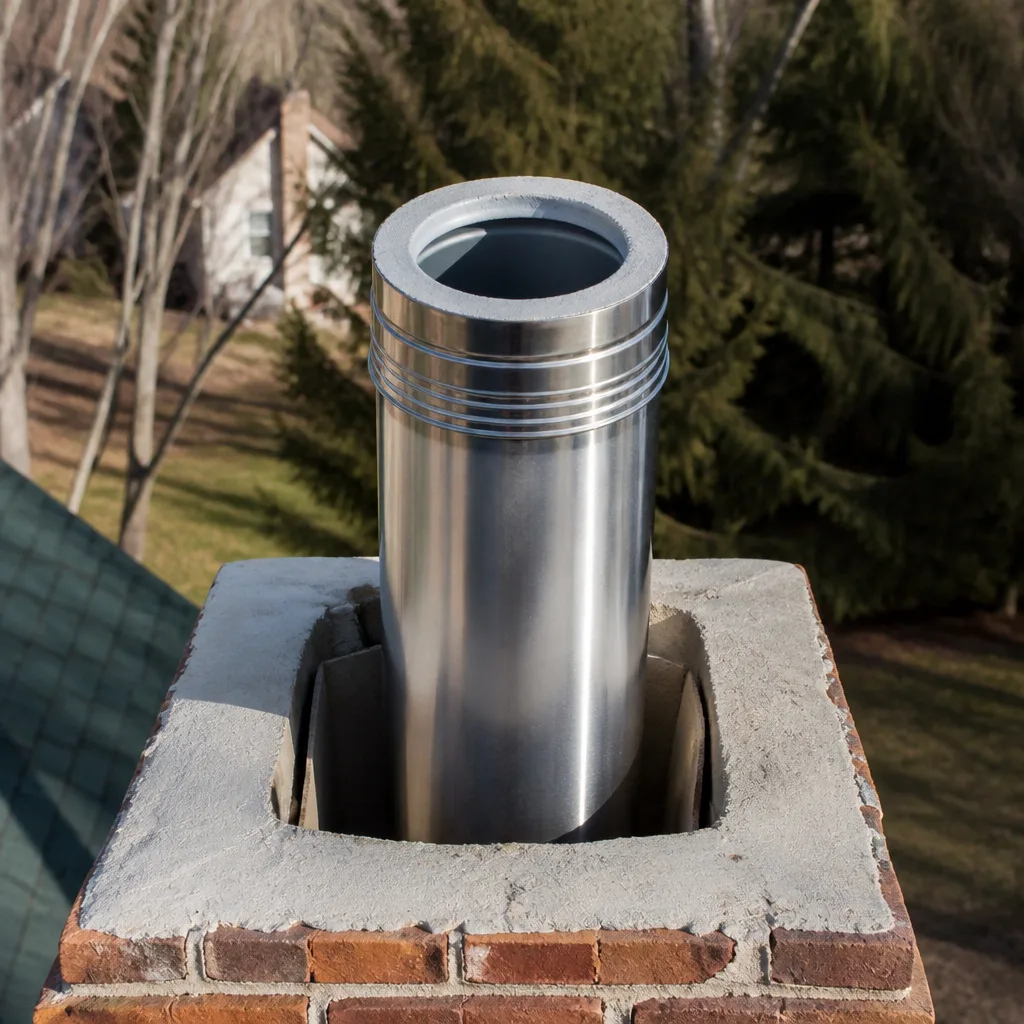
If the flue liner is cracked or deteriorating, we assess whether it qualifies for a HeatShield ceramic resurfacing – a restoration of the liner interior that can bring a damaged flue back to service without full liner replacement. If the liner is beyond resurfacing, we install a DuraFlex flexible stainless steel liner sized to the appliance. The point of the inspection is to tell you which one you actually need, not to sell you the larger job first. We tell you what we found, show you why it matters, and recommend the repair that fits the condition.
If you want to see the scope of what we handle, take a look at our chimney sweep page for the cleaning and inspection side, and our chimney repair page for the structural work. The inspection, cleaning, and repair all run through the same crew, so the technician who finds the problem is the technician who fixes it. No hand-off, no conflicting diagnosis from a second contractor.
What to Log After Every Service Call
After every professional service call, log five things: the date, the technician’s name and company, the findings, the work performed, and the photos. Keep this in a single document or folder – a paper file, a cloud folder, or a note on your phone, as long as it’s one place you’ll find again.
Why the log matters: it’s the record of your home’s chimney condition over time, and that record affects your position with your homeowner’s insurance. If a chimney-related claim ever comes up, the insurer’s first question is what maintenance has been documented. A stack of inspection reports, sweep records, and photos showing the cap and crown were maintained is a very different position than a blank file. We’re not insurers, and we can’t tell you what your policy covers, but we can tell you that the documentation is what you have when the question arises.
Here’s what to capture for each entry:
- Date and company: Who came out and when.
- Findings: What the inspection found, in the technician’s words. Written reports matter here – a verbal “looks good” doesn’t survive a claim file.
- Work performed: What was swept, cleaned, repaired, or replaced, and with what material. If a liner was relined, note whether it was DuraFlex; if the flue was resurfaced, note HeatShield; if the cap was replaced, note the brand (Gelco, Famco, or whichever was installed).
- Photos: Before-and-after photos of any repair, plus the inspection camera images if they were provided.
- Next inspection due: Note the date you were told to schedule the next one, so the check doesn’t drift.
We provide written findings and photos as part of every inspection, precisely so homeowners have this file without having to construct it themselves. The documentation is part of the service, not an add-on.
Common Mistakes to Avoid
- Skipping the cap check. The cap takes the most weather of any component on the chimney, and it’s the first thing to fail. A missing or damaged screen lets birds and debris into the flue; a cracked cap lets water into the crown and masonry. Walk the outside of the house once a season and look at it directly.
- Assuming a working fireplace means a healthy chimney. A fireplace can draw fine and still have a cracked liner or heavy creosote load that only shows up on a camera inspection. The fact that it works doesn’t mean it’s safe – that’s what the inspection is for.
- Cleaning without inspecting. A sweep without an inspection clears the flue but doesn’t tell you whether the liner is sound. In Concord, where the burn season is compressed and a season’s worth of creosote builds up fast, the inspection is the part that catches the condition before it becomes a repair.
- Waiting for smoke to back up before booking. Smoke spill is a symptom that a problem already exists. The checklist is designed to catch the conditions before they produce smoke, not after.
- Burning unseasoned wood to stretch the season. Wet wood burns cooler and produces more creosote per fire, which loads the flue faster – and in a short Concord burn season, that means the creosote piles up in fewer fires. Seasoned hardwood is the difference.
- Treating the log as optional. Homeowners who document their inspections have a maintenance record; homeowners who don’t have a blank file when the question comes up. The log is five minutes of work per service call.
- Booking the sweep at the last minute. The first cold snap is when everyone in the East Bay remembers their fireplace. Booking in late September gets you the appointment you want instead of the one that’s left.
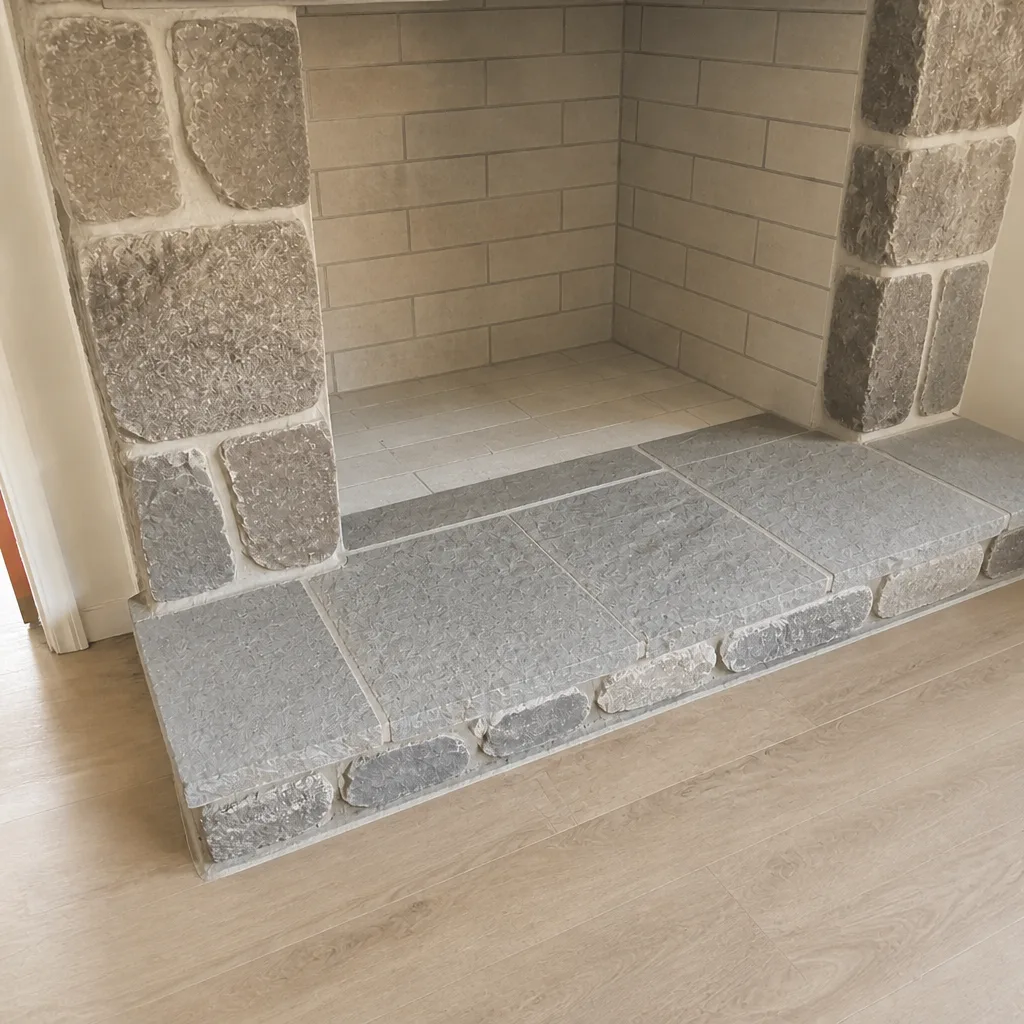
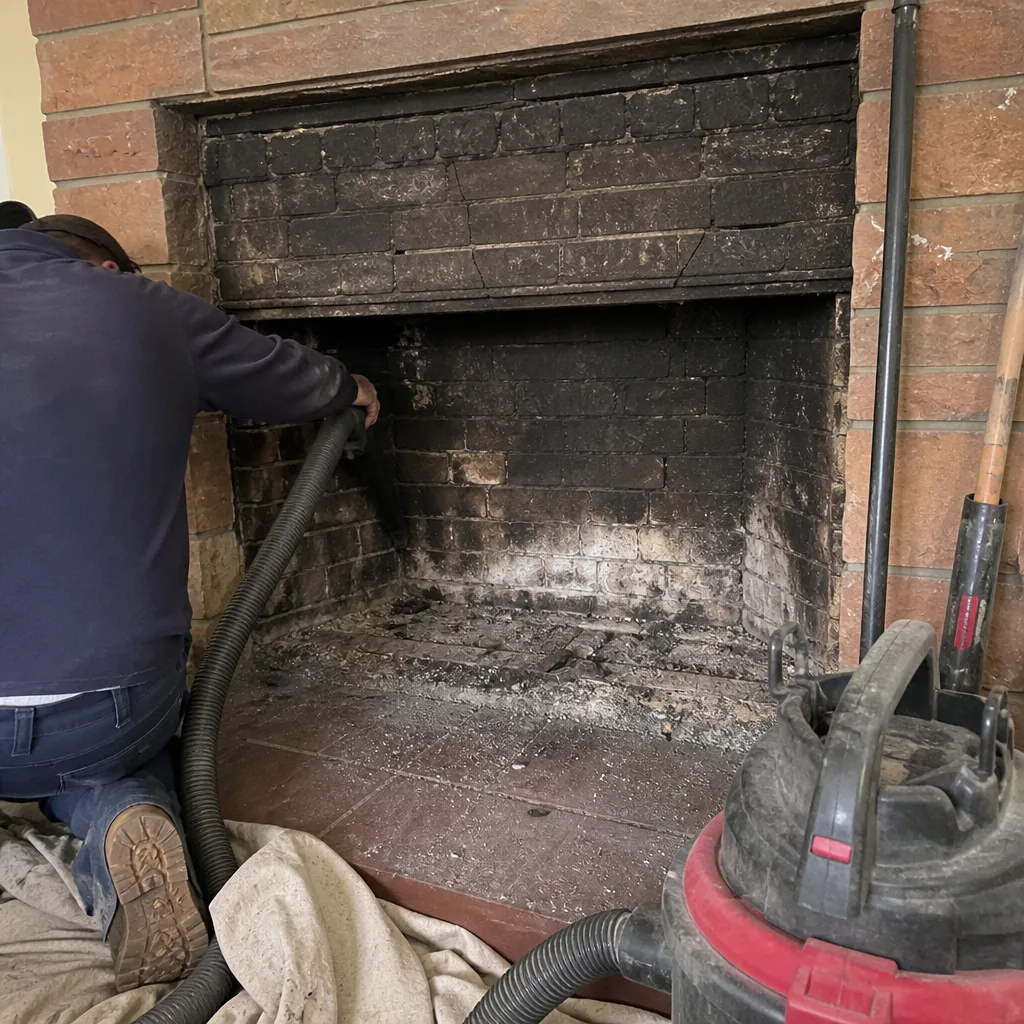
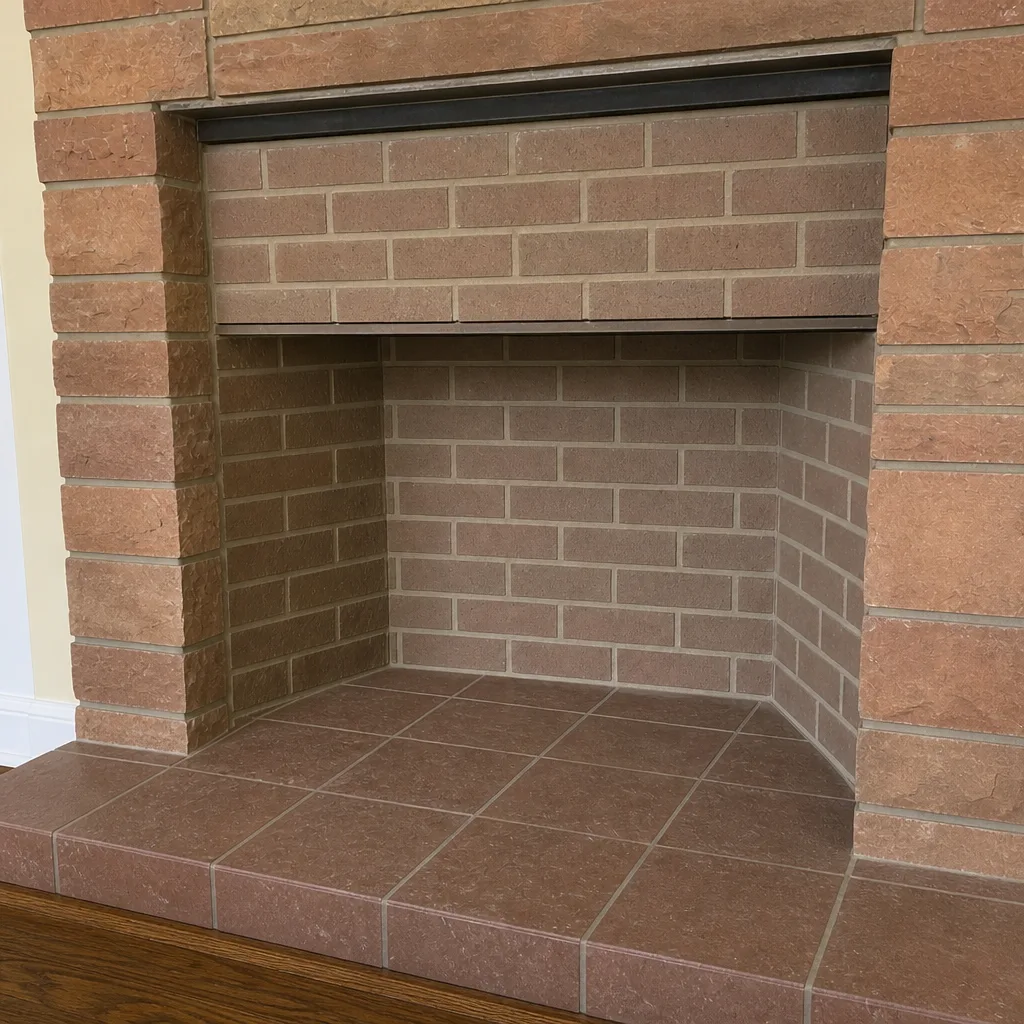
See the difference
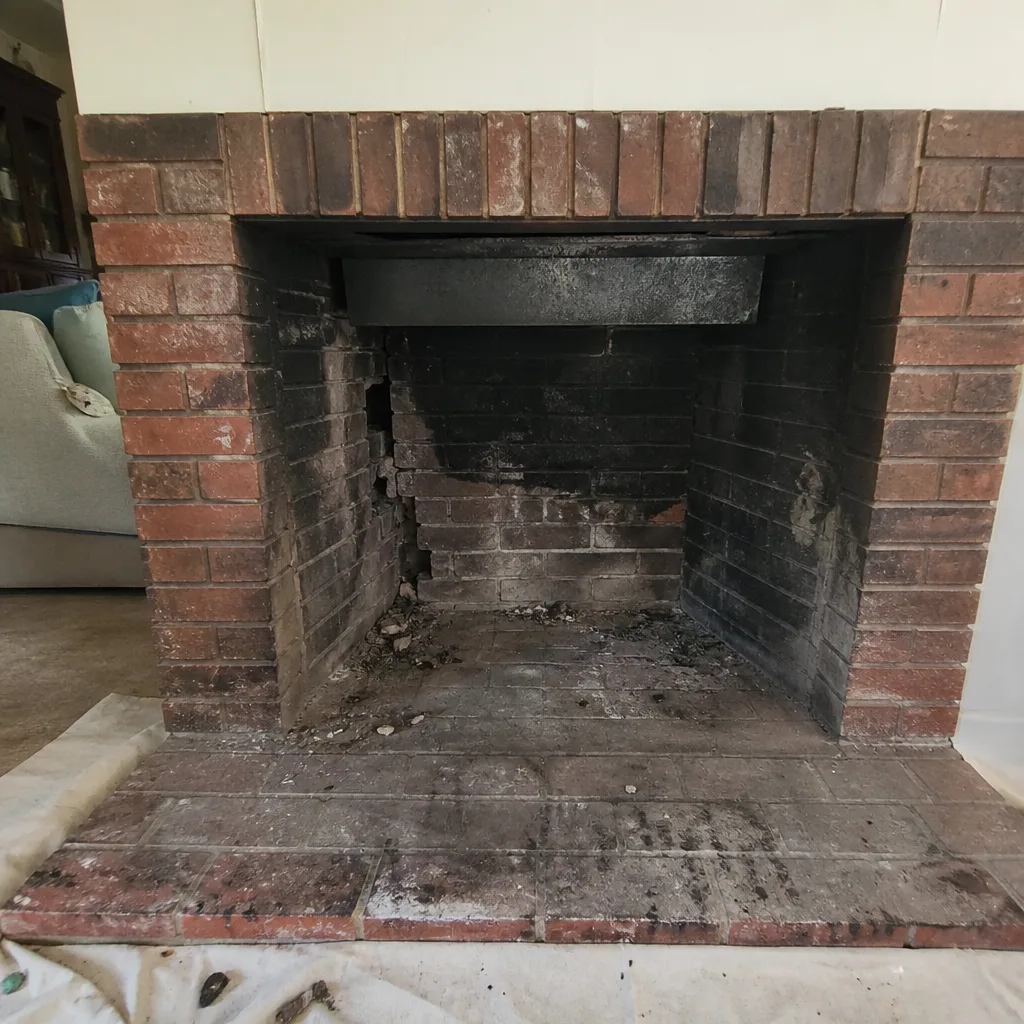 Before
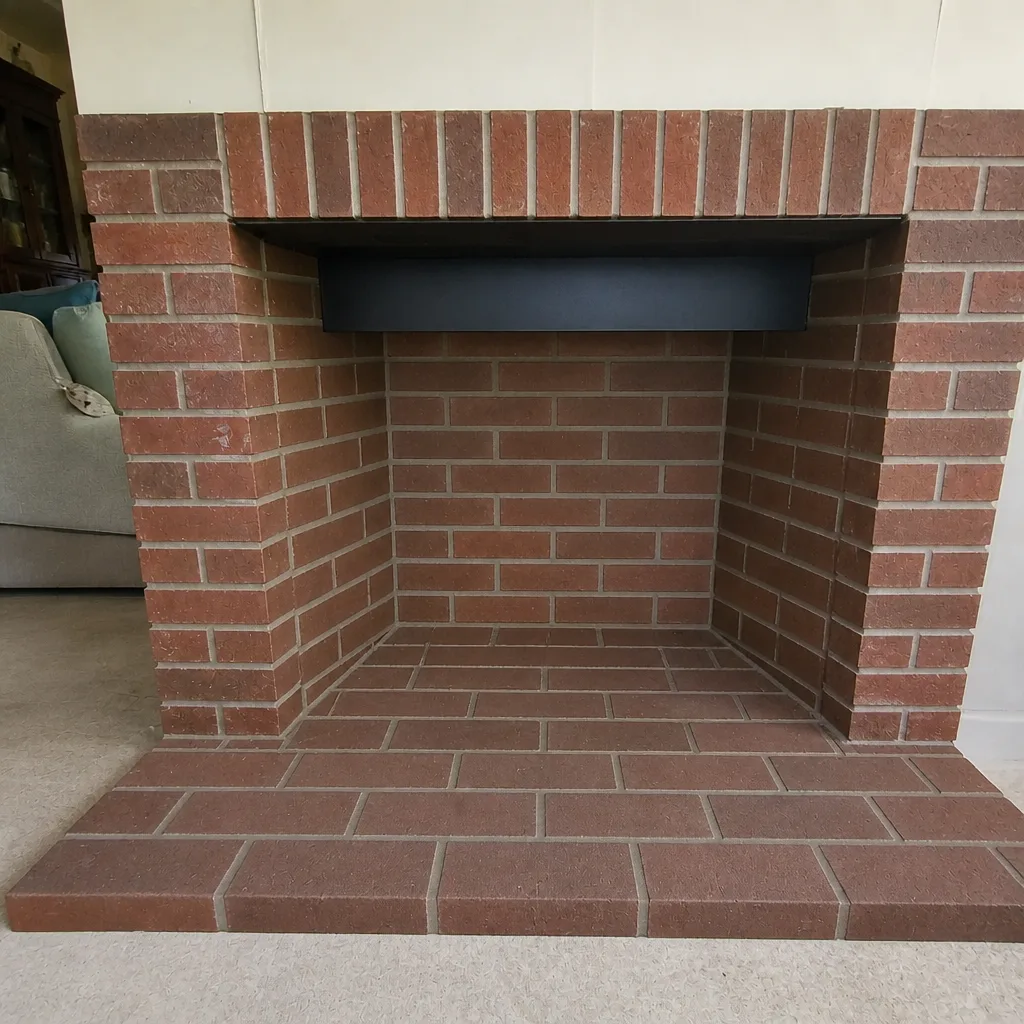 After
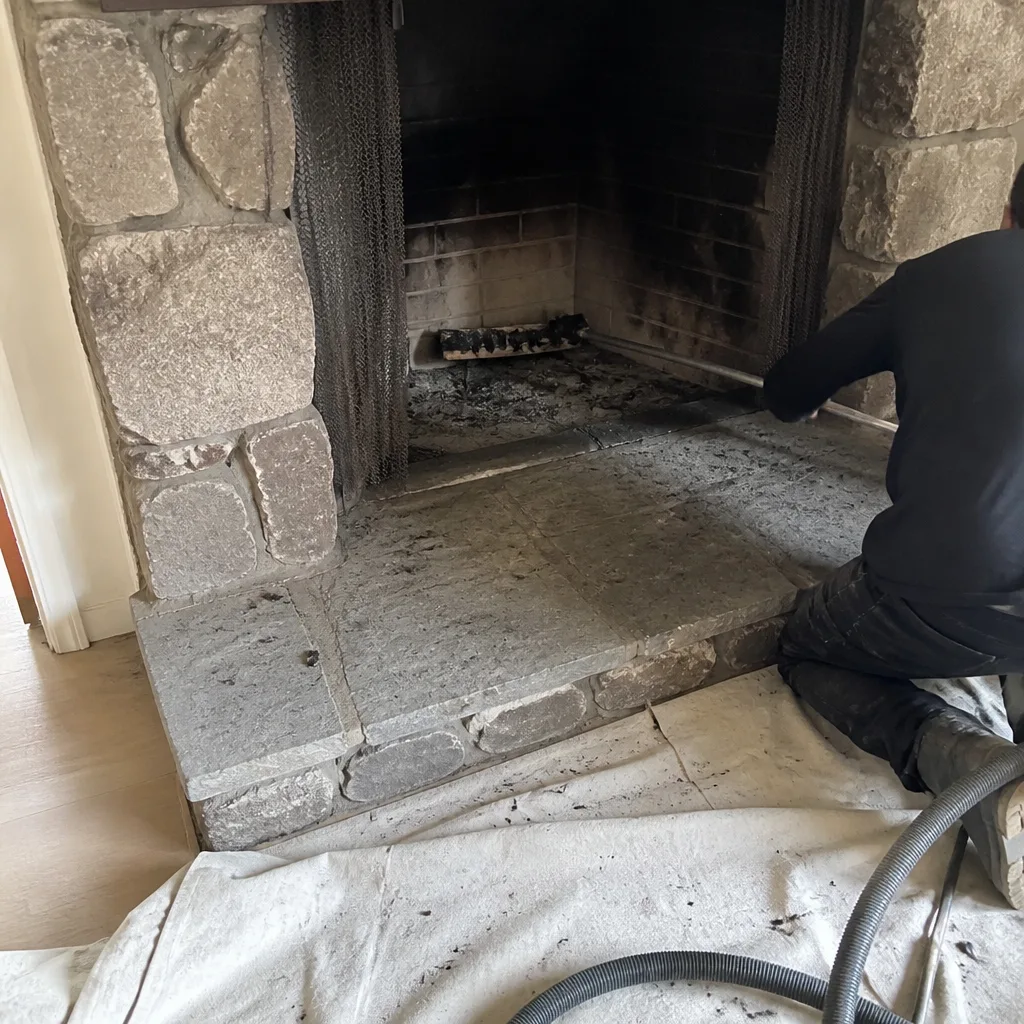 Before
 After
 Before
 After
When to Call a Professional
Call a professional if the newspaper draft test fails, if you see smoke spilling into the room, if the firebox brick has a crack running through it, if the cap or crown is visibly damaged, or if the fireplace smells strongly of creosote when it’s not in use. Call before the next fire, not after. Call also if it’s been more than a year since the last sweep, even if nothing seems wrong – the whole point of the annual inspection is to catch conditions that don’t produce symptoms yet. Carbon monoxide is a real risk in any chimney with a compromised flue, and a working smoke and CO detector in the living space is not a substitute for checking the flue itself. If you’re not sure whether something needs attention, that’s exactly the call to make: it’s cheaper to have a technician look than to guess.
Stallion Chimney Sweep offers free estimates in Concord – call (833) 434-1221. Our technicians have up to experience, and we run the sweep, the inspection, and any repair through the same crew so nothing gets lost between the diagnosis and the fix.
Frequently Asked Questions
Once a year for most wood-burning fireplaces, and once a year regardless of burn frequency for gas appliances. The annual sweep and inspection is the standard interval because it catches creosote load and liner condition on a predictable cycle. In Concord’s compressed burn season, a season’s worth of creosote can build up in a shorter calendar window than in colder climates, which makes the annual timing more important, not less. Call (833) 434-1221 to book your annual sweep and inspection.
Check four things on the outside – cap, crown, flashing, and mortar joints – and three things on the inside: damper operation, smoke chamber visual, and firebox brick condition. Run the newspaper draft test on a cold fireplace before your first fire. Write down what you saw and hand it to the technician at the appointment. These checks take about 15 minutes and make the professional inspection more productive. Call (833) 434-1221 if you find something you’re not sure about.
An inspection is what catches the conditions a sweep can’t see – liner cracks, creosote load, and smoke chamber separation – so yes, you need both. A sweep clears the flue; an inspection tells you whether the flue is safe and whether a repair is needed. We do both in the same visit, and we provide camera images and a written report so you can see the findings for yourself. Call (833) 434-1221 for a free estimate on either service.
Creosote accumulates, liner cracks go undetected, and small exterior problems – a cracked cap, a lifted flashing edge – turn into water intrusion and masonry damage. The risk isn’t only structural: a compromised flue can let carbon monoxide back into the living space. Most of the serious repairs we’re asked to do started as conditions a checklist would have caught early. Call (833) 434-1221 before the next fire season to have your chimney inspected.
Yes, if you run it on a cold fireplace with no ash or embers in the box, hold the paper with tongs or a long lighter, and keep it small. It’s the simplest way to check whether the flue is drawing correctly. If the smoke spills into the room or curls back down, stop and call a professional – that’s a sign the flue needs diagnosis before you light an actual fire. Call (833) 434-1221 if your draft test fails.
We cover the exterior from the roof, the flue interior with a camera, the smoke chamber, the firebox and damper, and the appliance connection for inserts, stoves, and gas appliances. If we find a liner issue, we assess whether HeatShield ceramic resurfacing can restore it or whether a DuraFlex stainless steel liner is the right repair. We also provide camera images and a written report as part of the inspection. Call (833) 434-1221 for a free estimate.
The Bottom Line
A chimney maintenance checklist for Concord homeowners has four parts: an exterior walk-around before the first fire, safe interior checks of the damper, smoke chamber, and firebox, the newspaper draft test on a cold fireplace, and an annual professional sweep and inspection booked between late September and your first fire. Keep a log of every service call – the findings, the materials used, and the photos – because that record is what you have when a maintenance question comes up. If any check raises a flag, or if it’s been more than a year, don’t wait. Call (833) 434-1221 for a free estimate and we’ll tell you what we found and what it needs.
Written by the team at Stallion Chimney Sweep.