
Last updated November 15, 2026
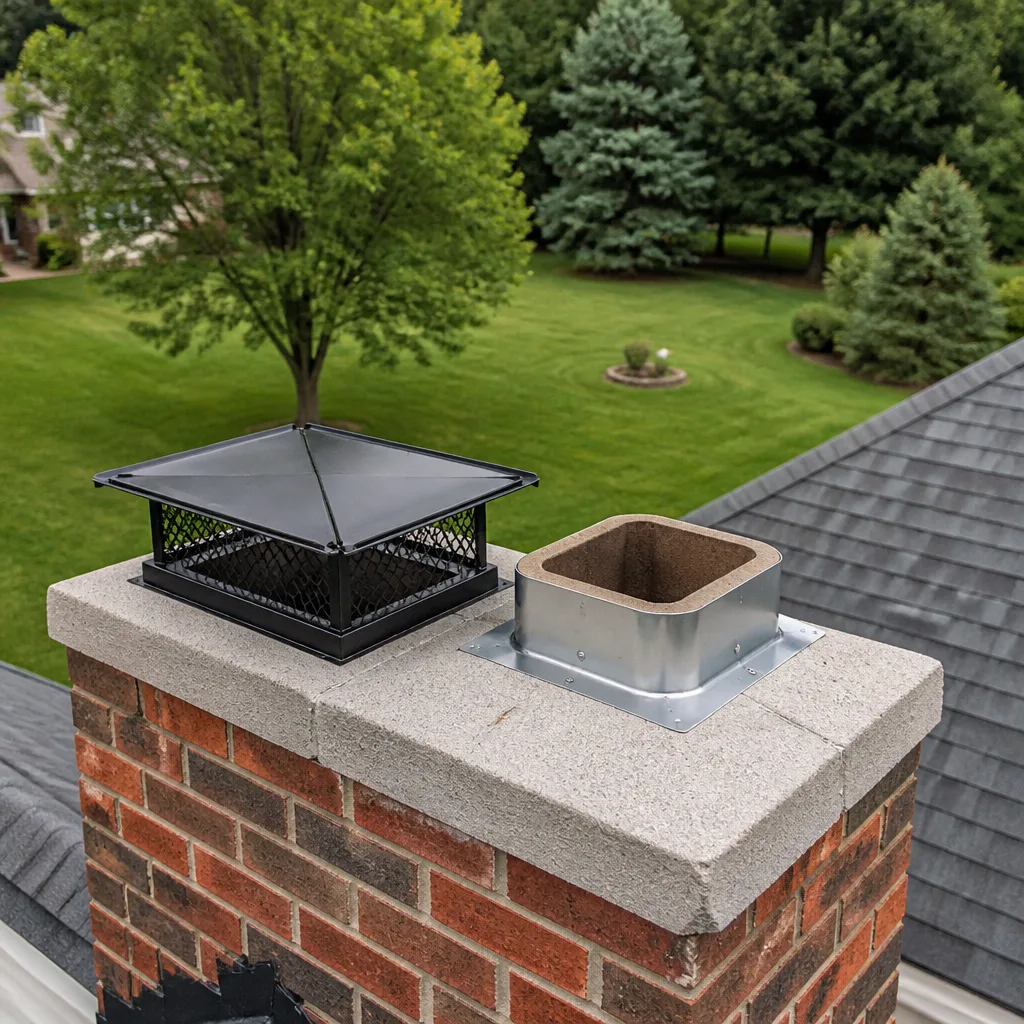 Sweep & inspection
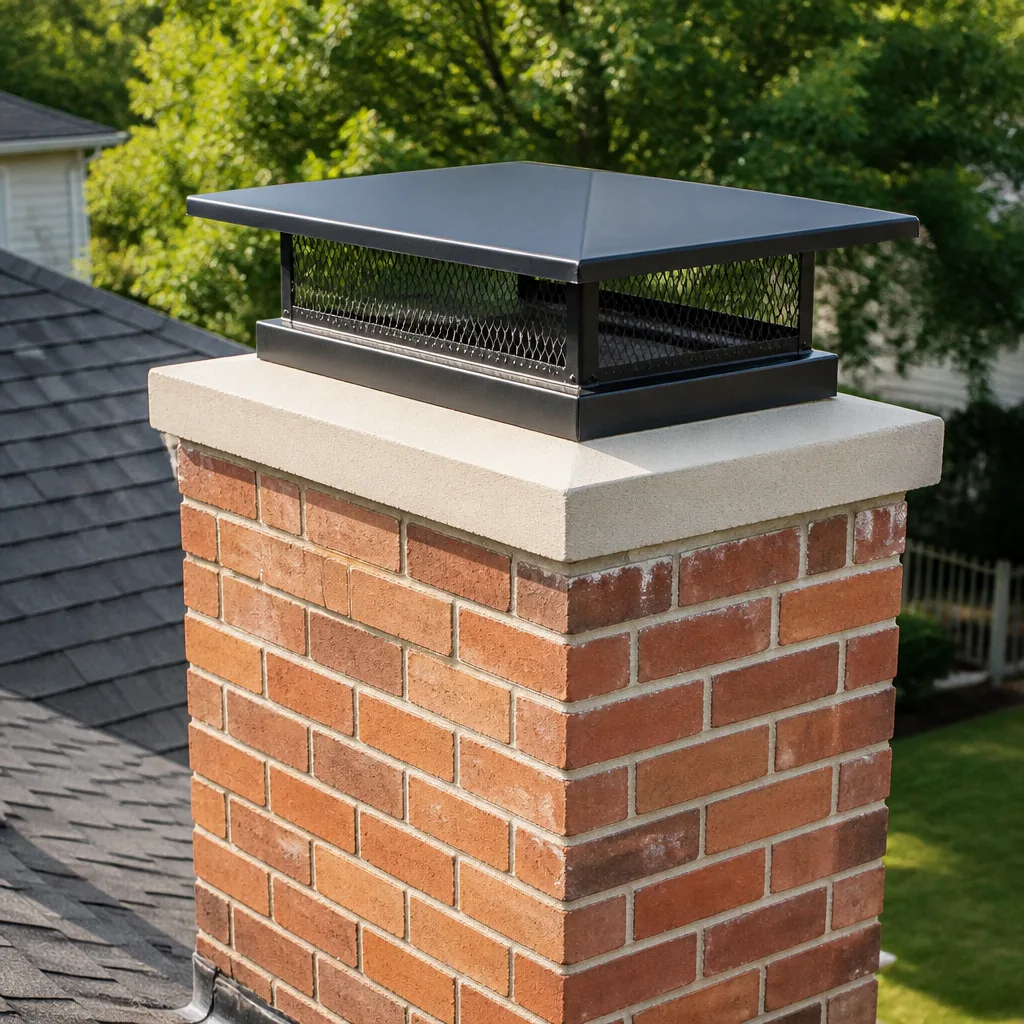 Caps & crowns
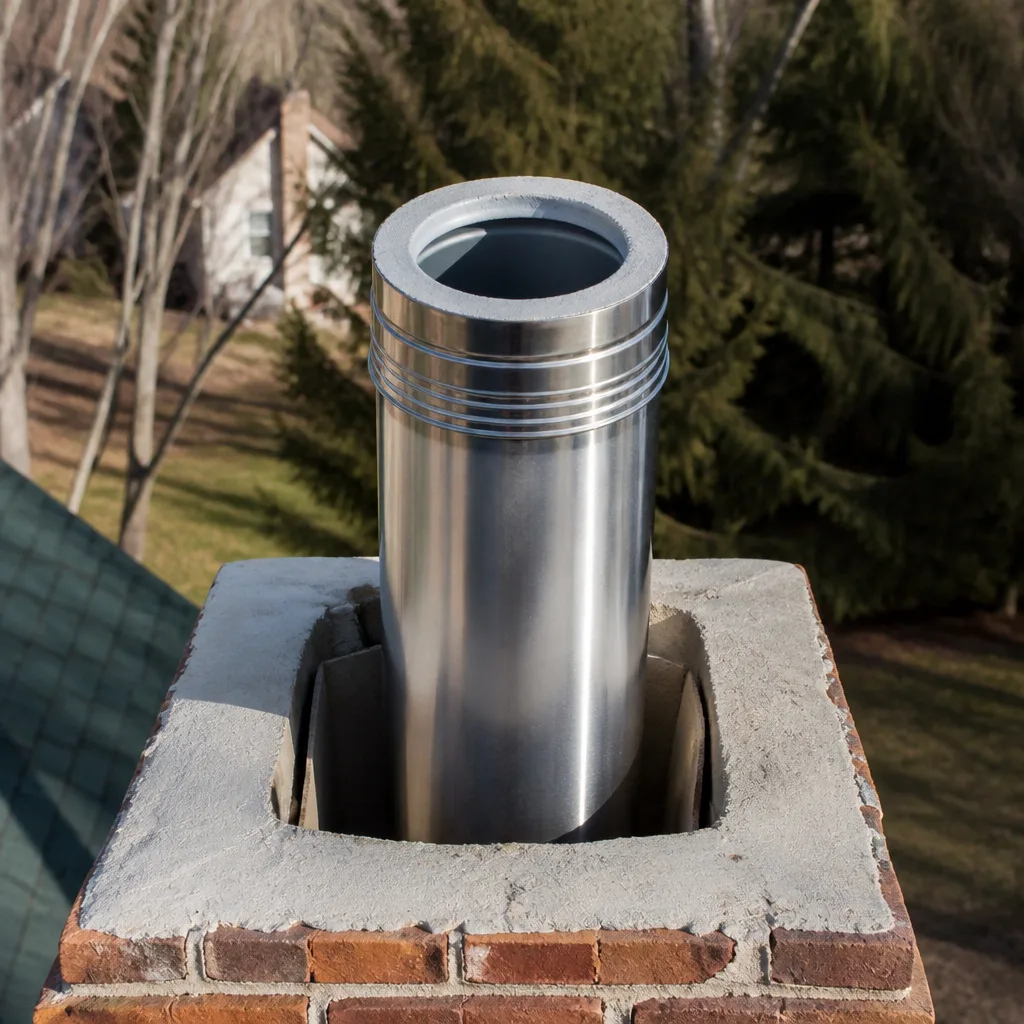 Flue relining
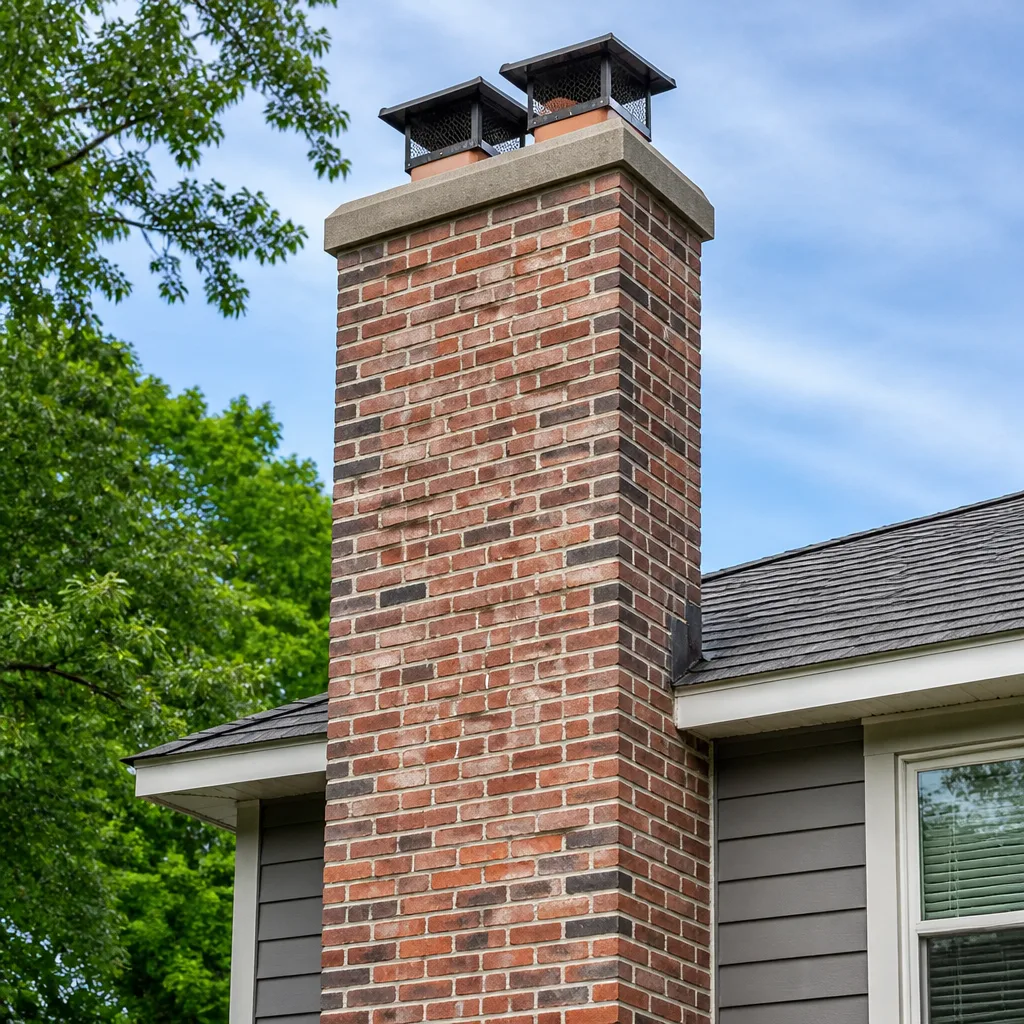 Masonry repair
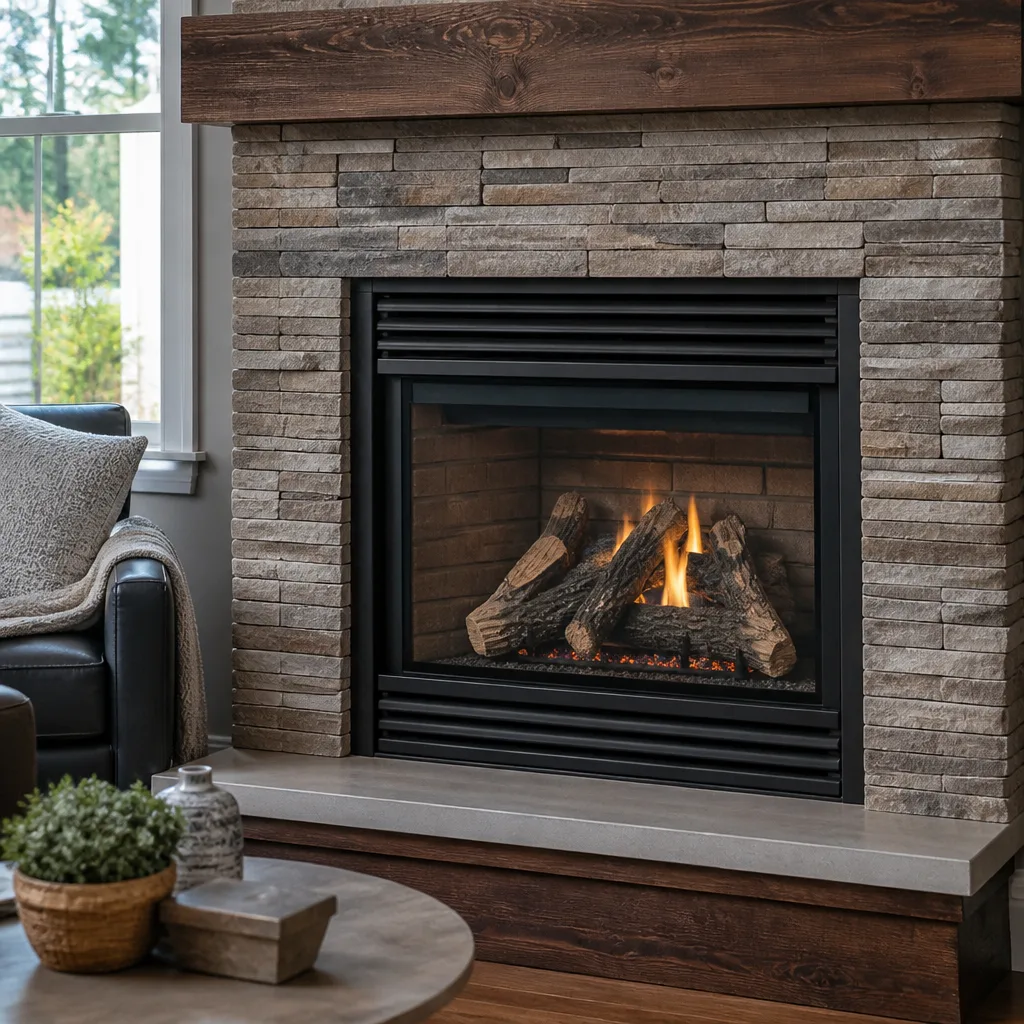 Gas fireplace service
Level 1 sweep and inspection to the NFPA 211 annual standard - flue, crown, cap, and flashing checked and photographed
Chimney sweep logs do not sweep chimneys. They loosen some creosote - which then falls where a brush and vacuum still have to collect it.
Chimney Sweep Maintenance Schedule: What to Do and When
The annual inspection gets quoted so often it starts to sound like a full maintenance plan. It isn’t. A single checkup a year is the floor, the safety minimum every standard points back to. What actually protects a chimney is the smaller work in between: the checks in late summer before the first fire, the habits mid-season, the close-down in spring. In Concord, where winters run mild and wet rather than freezing, that calendar looks different from the national script most guides repeat. We’re going to walk through a month-by-month schedule built for how homes here actually burn, with the visual checks you can safely do yourself and the ones to leave to a trained sweep. If you want the overview first, this is the page.
Quick Answer
The core chimney maintenance schedule is: inspect and sweep once a year, do a visual check from the firebox before each burn season, check the cap and crown after big storms, and keep a simple burn log so your sweep can read your usage at a glance. In Concord, schedule the professional sweep in late summer or early fall, before the first burn, and close the fireplace down properly in spring. A full maintenance calendar goes beyond those basics, and the rest of this guide lays it out month by month.
Styles & brands we work with
- Sweep & inspection
- Caps & crowns
- Flue relining
- Masonry repair
- Gas fireplace service
Table of Contents
- Why an Annual Inspection Is a Minimum, Not a Plan
- How Concord’s Climate Changes the Schedule
- The Month-by-Month Chimney Maintenance Calendar
- What You Can Safely Check From the Firebox
- Building a Maintenance Record That Helps Your Sweep
- Level 1, 2, and 3 Inspections: Which One You Need
- Why Glazed Creosote Happens in Mild Winters
- Common Mistakes to Avoid
- When to Call a Professional
- Frequently Asked Questions
Why an Annual Inspection Is a Minimum, Not a Plan
The annual inspection standard is written for a national average, a blend of climates, fuels, and building styles that doesn’t match any single place. A homeowner in Concord reading that standard applies a rule built for somebody else’s house. It’s still the right floor. It’s just not the whole plan.
Think about what the annual inspection can catch and what it can’t. It finds what’s already happened by the time the sweep arrives: a cracked flue tile, a corroded damper, a cap that came loose in a storm. It won’t catch a problem that develops the week after the sweep leaves and sits undisturbed until the next appointment eleven months out. That’s the gap a real maintenance schedule closes. Between professional visits, you’re the eyes on the system.
We’ve seen the same pattern more times than we can count. A chimney that looks fine from the firebox in fall develops a loose crown, a damaged cap screen, or a hairline crack over an 11-month stretch, and by the next sweep the fix is bigger than it would have been. Not because the homeowner did anything wrong. Because nobody was checking in between.
A workable maintenance schedule has three layers, and they operate on different timelines:
- Seasonal professional service – the annual chimney sweep and inspection.
- Homeowner visual checks – before the season, after storms, and a quick look mid-season.
- Record-keeping – a simple log of burns, wood type, and anything you noticed.
Each layer catches a different category of problem. Together they cover the whole year, not just the hour the technician spends on your roof. The annual appointment is the anchor; the schedule around it is what keeps the chimney healthy from one visit to the next. If you’re ready to book the anchor point, we can take that call and get it on the calendar.
How Concord’s Climate Changes the Schedule
Concord’s winters are mild, and that lulls a lot of homeowners into thinking the chimney needs less attention than it does. It’s warm enough here that many households burn a cord or less in a season. The instinct follows: fewer burns, less buildup, less to worry about. That logic is where people get into trouble, because the amount you burn is only half the picture.
Mild doesn’t mean dry. Wet winters are the norm, and the rain does its own kind of damage independent of the fire. Moisture gets into a masonry chimney through a worn cap or a cracked crown, then works into the mortar and the brick. A chimney system that never burns a single fire can still deteriorate from water intrusion alone. That’s why a Concord maintenance schedule tracks the exterior of the chimney year-round, not just the flue.
Then there’s the fire itself. Cooler, milder weather tends to mean smaller fires, shorter burns, and more start-and-stop. That pattern is friendlier to creosote formation than a hot, long, well-oxygenated fire. Wood that isn’t fully dry adds to it. A mild Concord winter produces a different kind of wear than a cold-snap winter does, and our schedule reflects it.
If you’re in Concord and want a schedule that matches your actual usage rather than the national average, the annual sweep is the right starting point. We handle chimney sweep and chimney repair with the same crew, so what the inspection finds doesn’t bounce between contractors. Concord homeowners can call us to lock in a late-summer slot and build out the rest of the year from there.
The Month-by-Month Chimney Maintenance Calendar
Here’s the calendar we’d hand a Concord homeowner at the start of a year. Some months have real work, others are just a quick visual pass. The whole schedule takes maybe two hours of your own time across twelve months, alongside the professional appointment. The exact dates slide year to year, but the sequence holds.
Late Summer (August)
This is the most important slot in the whole calendar: book and complete your professional sweep before the first fire. Late summer means you’re not waiting in the pre-season rush, the chimney is inspected with a clear schedule ahead, and any repair that needs parts or scheduling has time to get done before you want to burn. Do the full inspection and cleaning together. Note whatever your sweep flags and get it on the calendar while you’re still weeks from the first fire.
Early Fall (September)
Do a homeowner visual check before first use. Open the firebox, look at the firebrick and mortar, check the damper, confirm the cap is intact from the ground with binoculars if you can see it. If your late-summer sweep flagged a repair, this is the window to complete it, before the weather turns and before you want the fireplace back in service.
Burning Season (October-February)
Run a quick check every few weeks. Look up the flue from the firebox with a flashlight. Check for visible soot accumulation, unusual odor, or anything that looks off. Listen for changes in how the fire draws. If you notice creosote buildup faster than you’d expect, add a professional check mid-season rather than waiting for spring. Keep your burn log going the whole time.
After Big Storms
Storms are the one event outside the calendar that should trigger an on-the-spot check. After a significant weather event, walk the exterior and look at the cap and the crown from the ground. Confirm the cap is still seated, the screen is intact, and there’s no visible new damage to the chimney top. Any suspected water intrusion gets recorded in your log and mentioned at the next appointment, or called in sooner if it looks serious.
Late Winter (February-March)
This is the close-down period. After the last fire of the season, do a full visual from the firebox. Look at the firebrick, mortar joints, damper plate, and the base of the flue. Note anything that changed during the burn season. Get the chimney swept after the final fire, not just before the next season, so buildup doesn’t sit for six months with nothing to disturb it.
Spring (April-May)
Inspect the exterior. That means the cap, crown, and flashing where the chimney meets the roofline. Rain is the main enemy in a mild, wet Concord spring, and any crack or gap is a place for water to get in. Note anything suspect and schedule repair before dry season.
Summer (June-July)
Quiet season for the fire itself but the best season for repairs. Any masonry work, cap replacement, liner work, or crown repair is easier to schedule and execute when the fireplace isn’t in demand. If your sweep flagged anything structural in late summer of the previous year, the following summer is a good window to complete it. The schedule closes the loop here and starts again in August.
What You Can Safely Check From the Firebox
You don’t need to go on the roof. A surprising amount is visible from the firebox with a flashlight and no climbing, and these are the checks we want every homeowner in our schedule doing. Nothing here involves handling the firebox itself while hot, and none of it is a substitute for a professional inspection. It’s the mid-season layer.
- Firebrick condition. Look for spalling, which is when the surface of the brick flakes or crumbles away. Intact firebrick has a smooth face. Spalling brick is a sign of heat stress and moisture exposure, and it’s easier to repair early than to replace later.
- Mortar joint recession. The mortar between firebrick should be roughly flush. If the joints are recessed, crumbling, or missing in spots, moisture has been working on them. Note depth and location.
- Damper plate corrosion. Open and close the damper. Check the plate for heavy rust or warping. A damper that won’t fully open or seal is a draft and efficiency problem, not just a nuisance.
- Smoke chamber base. Shine the flashlight up the smoke chamber. Look for cracks or gaps at the base of the flue.
- Visible creosote. A flashlight shoved up the flue shows what’s on the walls. Glazed, shiny, tar-like deposits warrant a call sooner than spring.
- The firebox floor. Confirm the hearth is intact and free of cracks or loose material that could let heat through to the framing underneath.
If any of these look off, get it on your log and mention it at the next appointment. If it’s the creosote check that concerns you, don’t wait. Call and get it looked at properly. We’d rather look at a chimney that turns out to be fine than one that sat too long.
Building a Maintenance Record That Helps Your Sweep
A simple log makes your annual inspection faster and more accurate because your sweep can see how the chimney has been used between visits. This isn’t bureaucratic. It genuinely changes what we can tell you. A chimney that has burned two cords a year for five years with dry hardwood reads one way; one that has burned a cord and a half the same season but with a lot of green wood and short, cool fires reads another. The log closes that gap.
You don’t need anything more elaborate than a notebook. Here’s what to track:
- Date and amount of each fire. Even a rough count is useful – “half load, evening” is fine.
- Wood type and dryness. “Seasoned oak” tells your sweep something. “Wood from a neighbor’s lot, unsure” tells them something else, and both matter.
- Any observations from your firebox checks. Spalling on the left firebrick, damper sticking, smoke backing into the room.
- Any exterior events. Storms, visible damage, water inside the firebox, animal activity around the cap.
- Anything your sweep found and recommended. Copy it down. The log then follows the chimney, not the technician.
When your sweep has the log in hand, the inspection moves faster and the recommendations are better grounded. It turns an annual visit from a snapshot into a narrative. That’s part of why we encourage it. The more we know about how the chimney has actually behaved, the more accurate our recommendation will be.
Level 1, 2, and 3 Inspections: Which One You Need
Not every inspection is the same inspection. Chimney professionals work from three levels, and which one applies depends on what’s happened to the system. Getting the level right matters because the wrong level either misses a problem or charges for scope you don’t need.
- Level 1 is the standard annual inspection. It covers readily accessible parts of the chimney and venting system without going into the flue with a camera. This is what most Concord homeowners get each year for a chimney that hasn’t changed use or condition.
- Level 2 adds a camera inspection of the flue interior and covers the whole system, including areas that are only accessible through the flue. It’s required for a change in the system’s use, a change in fuel type, after a chimney fire, after an earthquake or other event that could have damaged the chimney, or when the property changes hands.
- Level 3 is a diagnostic inspection that goes beyond what a standard camera can see, and it’s typically done when a Level 1 or Level 2 has raised a specific concern that needs to be investigated in depth. It may require removing parts of the structure.
In Concord, the two situations that most often push a homeowner from Level 1 to Level 2 are the sale of a home and a chimney fire. Both call for a camera inspection of the flue, not just an external check. A home sale in particular – the buyer’s inspector usually expects a Level 2 documented. An earthquake strong enough to affect the chimney is the other common trigger. If your chimney has been through any of those, the level of inspection should reflect it. We can look at your situation and tell you which level is appropriate.
Why Glazed Creosote Happens in Mild Winters
Creosote buildup traces back to how completely the wood burns, not simply how much you burn. Glazed creosote, the shiny, tar-like deposit, is the most dangerous form because it ignites easily and it’s stubborn. It forms when fires burn cool and incomplete, which is a pattern you get more of in mild weather than in cold.
Here’s the mechanism. A hot, well-oxygenated fire burns the wood’s volatile compounds into gases that go up the flue and out. A cool, smoldering fire doesn’t fully consume them. Those compounds condense on a flue wall that’s cool because the fire below is small and the weather isn’t demanding a hard burn. The result is a sticky, dark coating that re-condenses on itself every fire, building up in layers until it’s glazed and tar-black. Burn less wood and you can still generate glazed creosote if the wood is not dry enough or the fires are run cool.
That’s the trap for Concord homeowners burning a little. Fewer cords doesn’t mean fewer deposits. It means the deposits may be glazed rather than powdery. Wet wood makes it worse – a woodpile that’s still holding moisture burns cool by definition. So the local maintenance schedule includes checking whether the wood is actually dry before it goes in the firebox, and taking the creosote check seriously even in a low-usage season.
When buildup has crept past what a standard sweep removes, there’s more than one path. We use HeatShield ceramic flue repair to restore a cracked or deteriorating flue liner in qualifying cases, and we install DuraFlex stainless steel liner systems when a full relining makes more sense. Which one fits depends on what the inspection finds. The decision should follow the evidence, not the other way around. If you want to know where your chimney stands on creosote, an inspection is the right call.
Common Mistakes to Avoid
- Treating the annual inspection as the entire plan. It’s the anchor point, not the schedule. The checks between visits are what keep the chimney healthy between August and August. Skip them and problems sit quietly.
- Assuming a mild winter means less attention. Concord’s mild winters mean more short, cool burns and more opportunity for glazed creosote. The exact opposite assumption is often true.
- Waiting for spring to sweep. Sweep after the last fire, not the next fall. Buildup that sits through summer is harder to remove and gives moisture more time to interact with the flue. Fall sweeping also puts you in the pre-season crunch.
- Ignoring the exterior of the chimney. In a wet Concord winter, water intrusion damages the crown, cap, flashing, and masonry. A flue that looks fine inside can be slowly degrading from the top down.
- Burning unseasoned wood because the schedule is short. Wet wood burns cool, deposits faster, and defeats the purpose of a careful schedule. Check moisture before you load the firebox.
- Skipping the log. A maintenance record costs almost nothing to keep and makes the professional inspection noticeably more useful. The lack of a log means the sweep is diagnosing from a single snapshot.
- Letting a flagged repair slide into the next season. A repair recommended in August is cheaper and easier to complete than the same repair after a wet winter has made it worse.
When to Call a Professional
Some situations call for a technician sooner than the next scheduled visit. Call us if you notice glazed, tar-like deposit visible up the flue, if you smell a strong creosote odor even when the fireplace is cold, if the fire draws poorly or smokes into the room, if you see staining on the ceiling or walls near the chimney, or if you spot loose or missing mortar on the chimney top. Any of those is worth an inspection ahead of the calendar. A home sale, a recent earthquake, or any suspected chimney fire triggers a Level 2 camera inspection regardless of where you are in the schedule.
If you’re unsure whether what you’re seeing is a problem, call and describe it. We answer 24/7. Fast dispatch from 7am to 7pm, Sunday through Friday. We’re closed Saturday. We offer free estimates in Concord. Call (833) 434-1221 and we’ll tell you what we found, show you why it matters, and fix it with the right material for the job. The same crew that inspects is the crew that repairs.
Frequently Asked Questions
Once a year for most wood-burning chimneys, with a sweep after the last fire of the season rather than waiting for the next fall. In Concord, a mild winter still produces enough buildup to make the annual sweep worthwhile, and glazed creosote can form even in a low-usage season. Call (833) 434-1221 to get on the schedule – estimates are free.
Nothing urgent happens the first year, and that’s exactly why skipping becomes a habit. Cracks, cap damage, and creosote accumulation go unnoticed until they’re larger. Glazed creosote is the specific concern because it ignites easily. The inspection is the least expensive way to know what your chimney needs, and it’s worth the annual call.
Yes, a change of ownership is one of the standard triggers for a Level 2 inspection, which adds a camera look at the flue interior. The seller’s records may be incomplete, and the buyer’s inspector usually expects a Level 2 documented. It’s the right starting point when a home changes hands. Call (833) 434-1221 to schedule one.
Powdery creosote brushes out easily during a standard sweep. Glazed creosote is shiny, tar-like, and bonds to the flue wall, which makes it both harder to remove and more flammable. Mild winters and cool fires make glazed buildup more likely in Concord than a homeowner might expect. If you can see glazed deposits up the flue, get it checked sooner.
Yes, the firebox-level checks are safe from a flashlight. Spalling firebrick, mortar joint recession, damper corrosion, and visible creosote can all be seen from the firebox without going on the roof. The exterior checks, cap and crown, are also doable from the ground. Anything that requires climbing or disassembly should go to a technician. Call (833) 434-1221 if you’d rather we look.
Spring, right after the last fire of the season. Sweeping in spring keeps buildup from sitting through the wet months, and it avoids the pre-season rush. Fall is fine as a backup if you missed it, but the spring slot on the calendar is cleaner for the chimney. Call (833) 434-1221 and we’ll book you into the schedule.
The Bottom Line
The annual inspection is a floor, not a plan. A real maintenance schedule in Concord runs across the whole year: a professional sweep in late summer, firebox checks before and after the season, exterior checks after storms, and a simple log of how the chimney has been used. Mild winters make glazed creosote more likely than you’d expect, so the schedule includes the firebox and the flue, not just the burn count. Which inspection level applies depends on what’s happened – a sale, an earthquake, or a suspected chimney fire all trigger a Level 2. The whole schedule works best when one crew does the inspection and the repair, so the diagnosis and the fix stay in the same hands.
Call (833) 434-1221 for a free estimate. We answer 24/7. Fast dispatch from 7am to 7pm, Sunday through Friday. We handle chimney sweeping, inspection, and repair with professional-grade materials – DuraFlex liner systems, HeatShield ceramic flue repair, Gelco and Famco caps and venting, Olympia Chimney and Copperfield supply – not hardware-store substitutes. We tell you what we found, show you why it matters, and fix it with the right material for the job. If you’re ready to get the maintenance schedule on your calendar, Stallion Chimney Sweep is the call to make.
Written by the team at Stallion Chimney Sweep.
See the difference
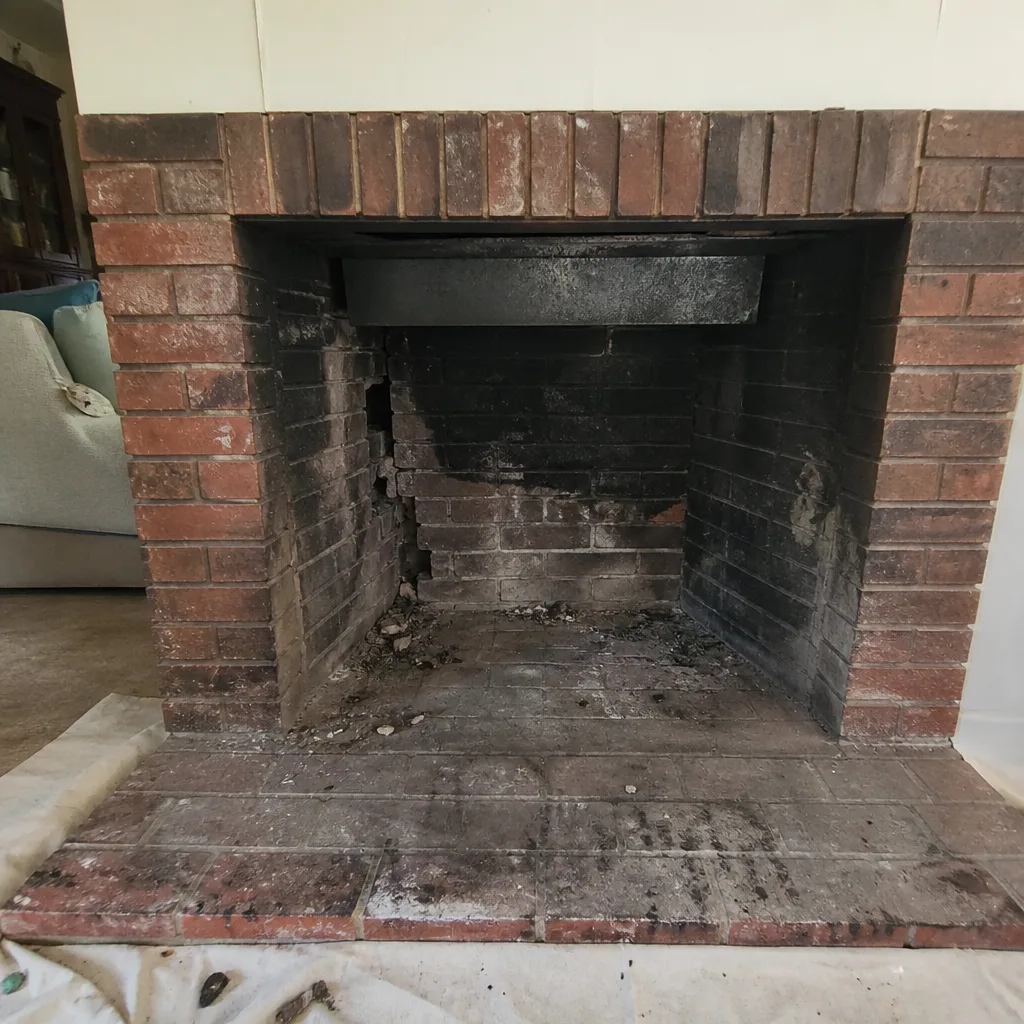 Before
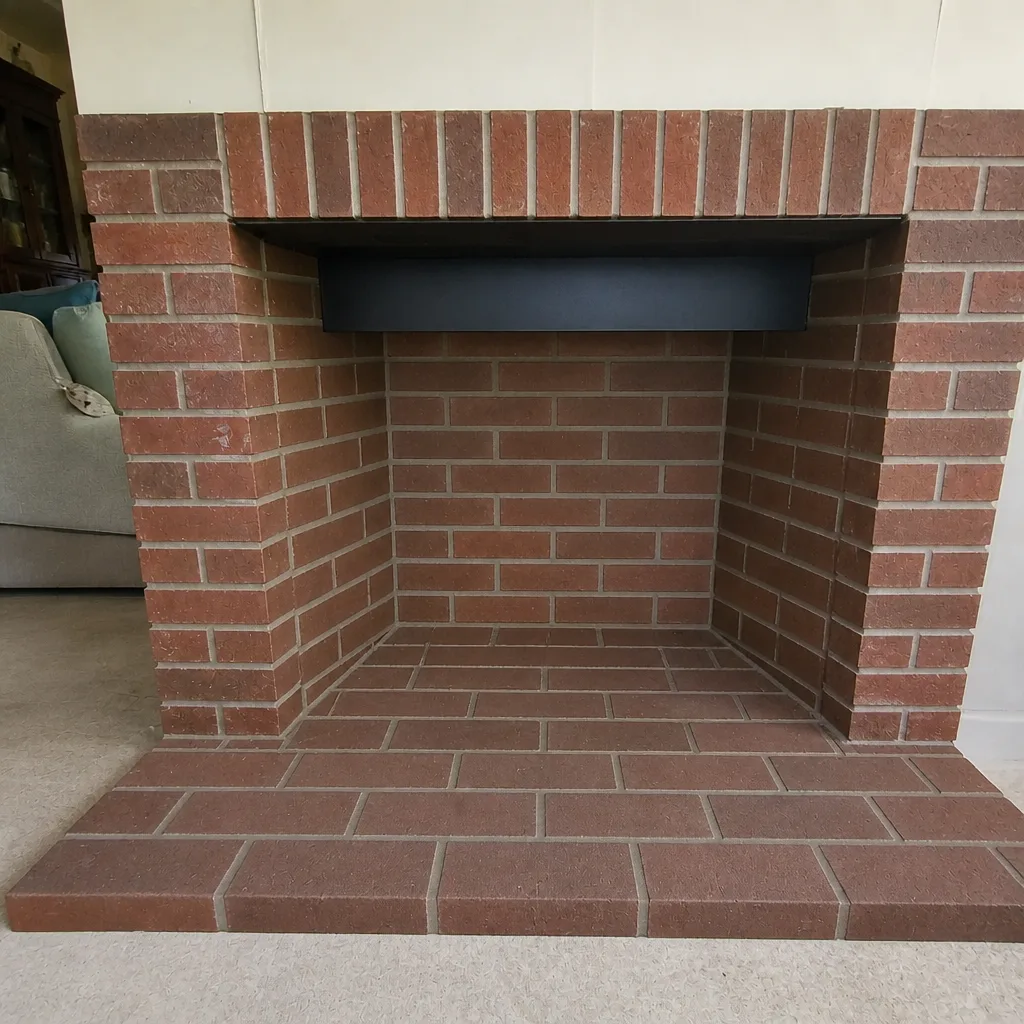 After
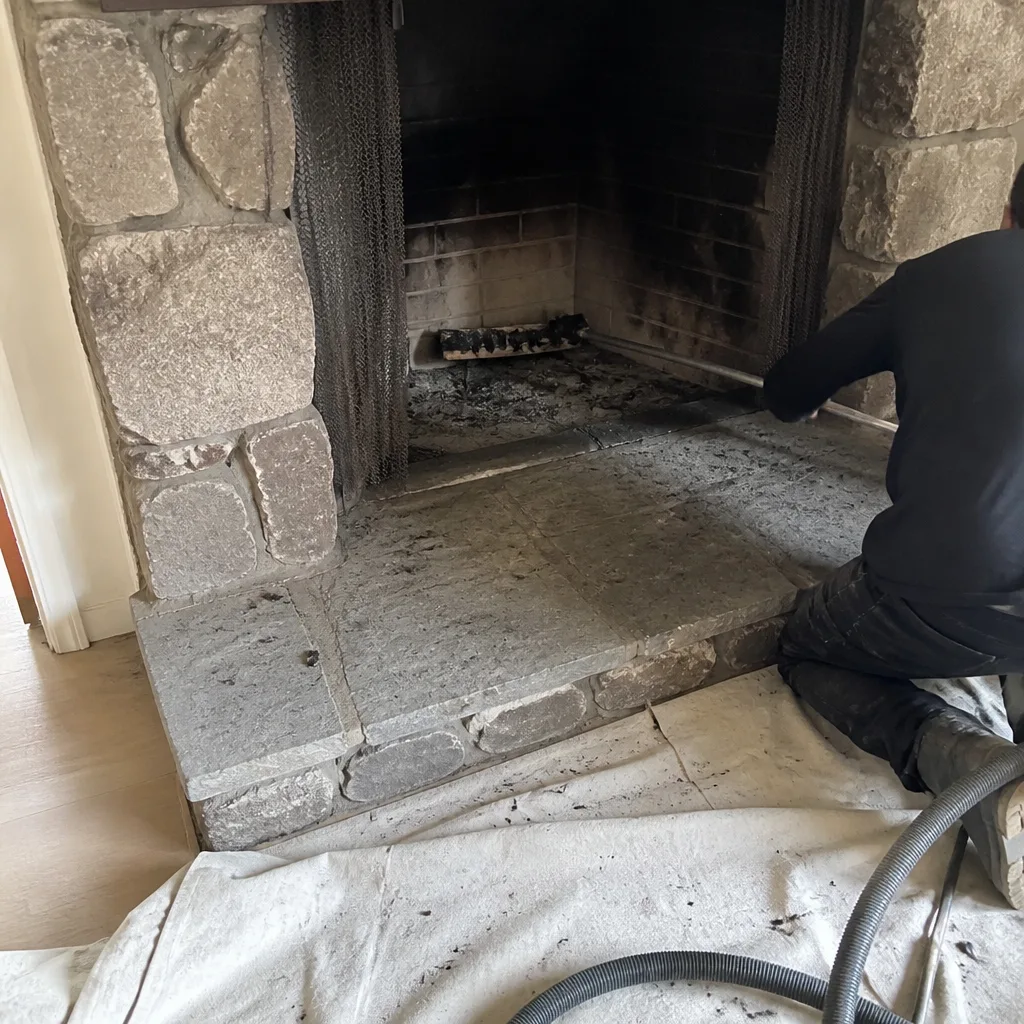 Before
 After
 Before
 After