
Last updated November 15, 2026
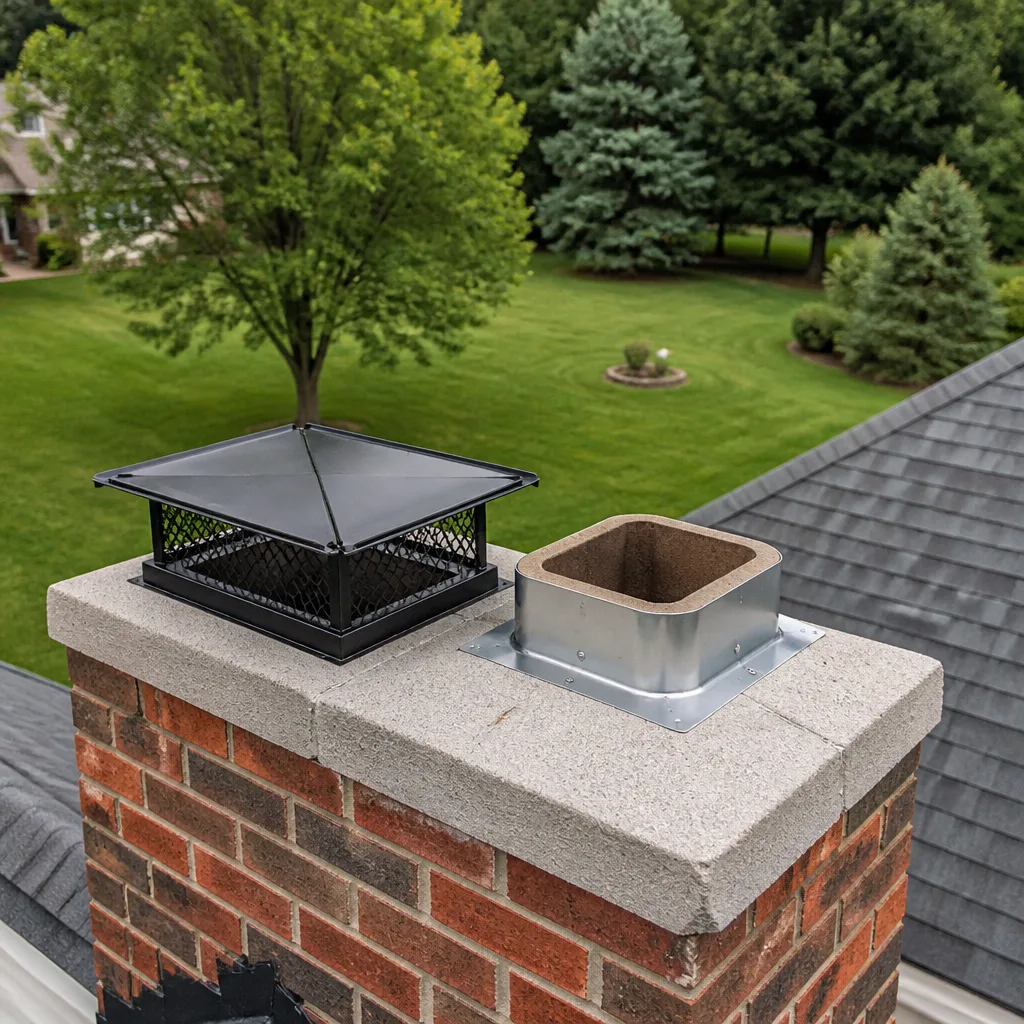 Sweep & inspection
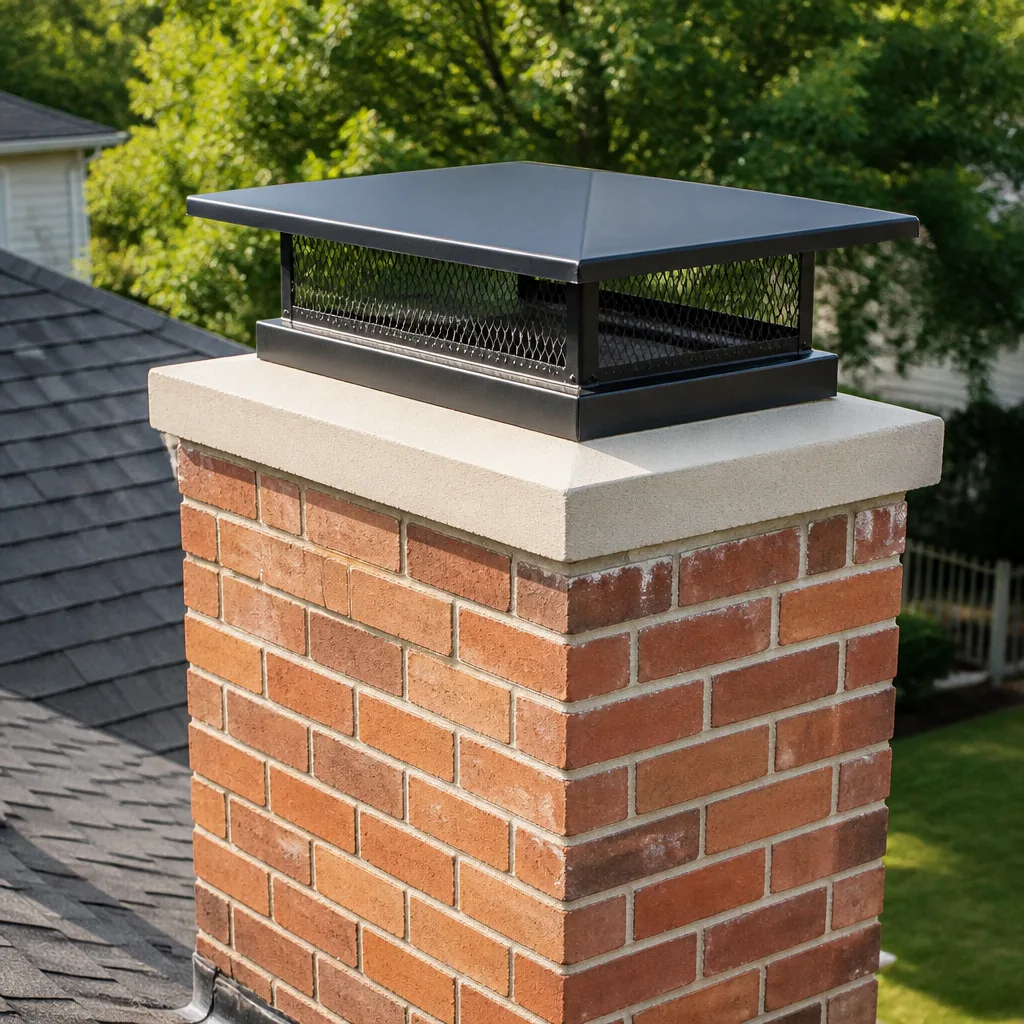 Caps & crowns
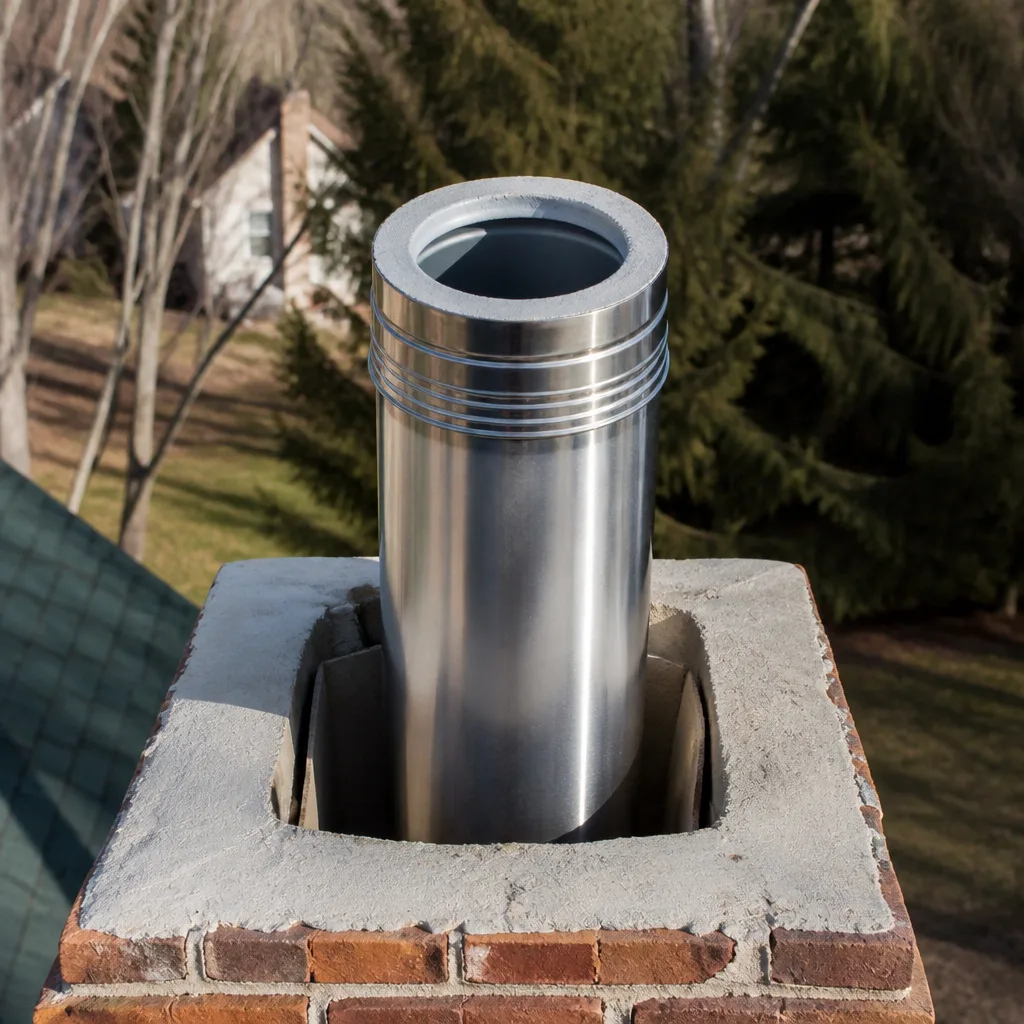 Flue relining
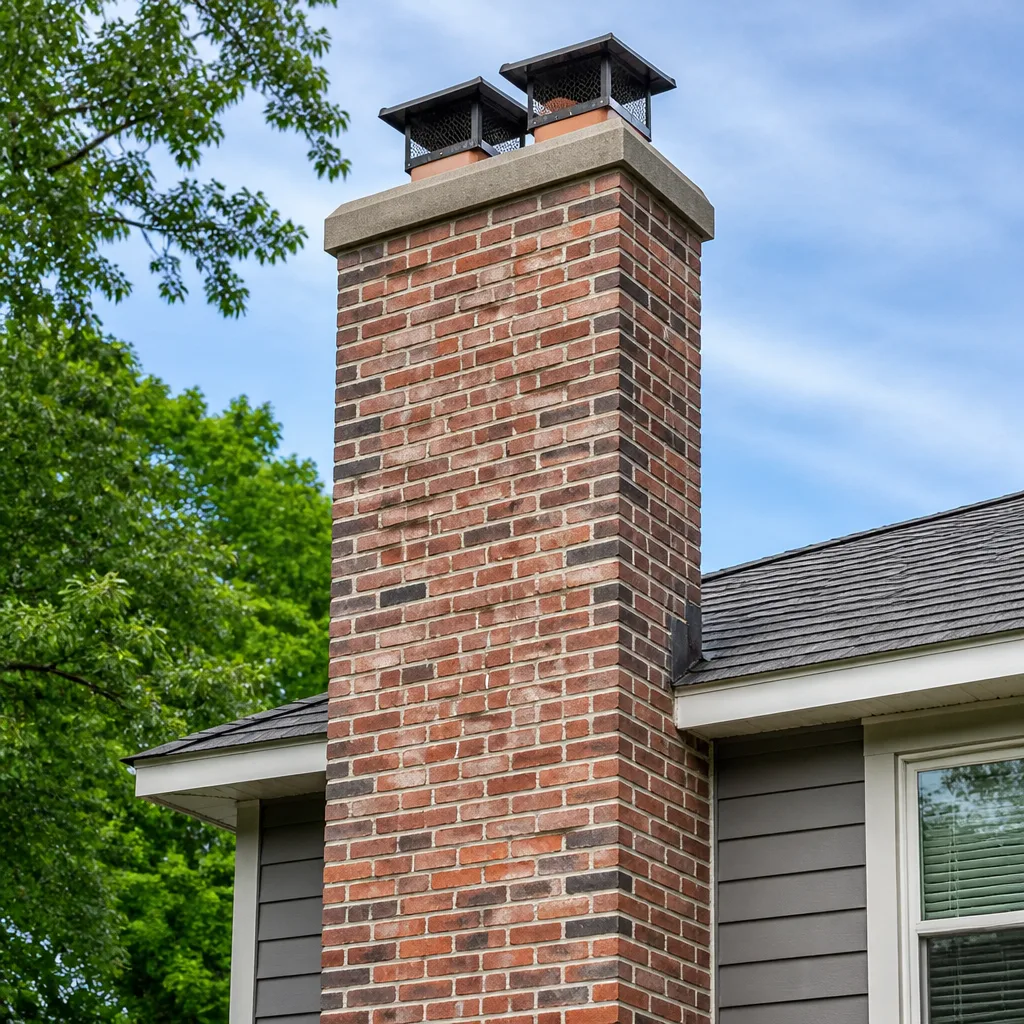 Masonry repair
 Gas fireplace service
Level 1 sweep and inspection to the NFPA 211 annual standard - flue, crown, cap, and flashing checked and photographed
Chimney sweep logs do not sweep chimneys. They loosen some creosote - which then falls where a brush and vacuum still have to collect it.
Choosing the Right Chimney Cleaning Brand: A Buyer’s Guide for Concord
A chimney crown coated with a masonry waterproofer from a hardware store will fail in two to three seasons. The same crown coated with a product like CrownCoat or CrownSeal, applied correctly, will last a decade. The price difference at the contractor level is small. The labor cost to redo it is not. That gap between a professional-grade material and a consumer substitute is the thing most Concord homeowners never get to see, because it’s sealed up on the roof or hidden inside the flue. This guide names the brands certified sweeps actually specify, explains what each one does, and shows you how to ask a Concord chimney company what they’re putting on your house before they put it there.
Quick Answer
The right chimney cleaning brand is the one that uses professional-grade, trade-supplied materials rather than consumer hardware-store products, and that can name them on request. For crown and flashing work that means sealants like CrownCoat; for flue resurfacing it means HeatShield; for caps and venting it means Gelco, Famco, or Olympia Chimney; for relining it means a spec’d stainless system such as DuraFlex. If a Concord contractor can’t tell you the product and the manufacturer behind it, that’s your answer about their supply chain.
Styles & brands we work with
- Sweep & inspection
- Caps & crowns
- Flue relining
- Masonry repair
- Gas fireplace service
Table of Contents
- Why the Products Matter as Much as the Technique
- The Four Product Categories That Actually Matter
- Liner Systems: Reading a Spec Sheet vs. What Gets Sold to Cut Costs
- Creosote Treatments: Consumer Logs and Sprays vs. Professional Chemistry
- How to Ask a Concord Contractor What Brand They Use
- How Material Quality Connects to Warranty Coverage
- What Concord’s Climate and Housing Stock Mean for Material Choices
- A Step-by-Step Way to Evaluate Any Chimney Company
Why the Products Matter as Much as the Technique
Chimney work is mostly invisible. A sweep runs a brush, a technician trowels a repair, a liner goes down a flue. You see none of it from the ground. What you’re actually buying, then, is the material that ends up in a place you’ll never inspect again. That’s why the brand on the tube, the box, and the liner spec sheet is the most honest signal a chimney company gives you.
In our experience, the difference between a trade supplier and a consumer retailer isn’t marketing. It’s the chemistry of the product. A flashing sealant sold at a wholesale chimney supply house is formulated to hold against thermal cycling, UV exposure, and the movement between a hot flue and a cool roof deck. A tube of general-purpose roof caulk from a big-box aisle is formulated to cost less. Both look the same going on. They behave very differently two summers later.
Concord sits in a climate that’s hard on exterior materials in a quiet way. Winters are mild, so you don’t get the brutal freeze-thaw punishing the masonry. But you do get hot, dry summers and a long stretch of sun on every crown and cap. That’s UV weathering, not frost, and it’s what breaks down a cheap sealant first. A product rated for long-term exterior exposure holds. A consumer substitute chalks, cracks, and lets water in at the seam.
The good news is this is a testable question. Any chimney professional should be able to tell you exactly which product they’ll use and who makes it. We work from a fixed list of professional-grade brands because we’ve seen what survives a Concord summer on a south-facing crown.
The Four Product Categories That Actually Matter
Not every material on a chimney job is worth interrogating. Four categories are, because they’re where the cheap substitute hides and where the labor to fix a failure is highest. Ask about these by name.
1. Crown sealants
The crown is the concrete cap at the top of the chimney that sheds water away from the flue. A failing crown is one of the most common water-entry points on a Concord roof. Professional-grade elastomeric crown coatings are made to bridge hairline cracks and flex with the masonry. Consumer masonry waterproofer is a paint-on film that traps moisture and fails. Products in this category include CrownCoat and CrownSeal; ask which one and whether it’s a flexible membrane or a film.
2. Flashing sealants
Flashing is the metal where the chimney meets the roof. It’s the seam that leaks when the sealant at the edge gives up. A trade-grade polyurethane or silicone flashing sealant holds against the movement between two different materials in two different temperature zones. A generic roof caulk doesn’t. This is also where the repair is most expensive to redo, because getting back to it means opening the roof again.
3. Creosote treatments
Creosote is the tar-like residue of wood smoke, and glazed creosote is the flammable kind that drives chimney fires. Professional chemical treatments are formulated to soften and convert that glaze so it can be swept out. Consumer creosote-removal logs and sprays are a different class of product entirely. More on that below, and on what the CSIA says about them.
4. Liner systems
The flue liner carries the smoke and protects the house from the heat. A liner is either sound or it isn’t, and when it isn’t, the fix is a reline with a spec’d stainless system. This is the largest-ticket category and the one most worth a spec sheet. DuraFlex flexible stainless steel liner systems are an example of the professional-grade standard; the brand on the box matters because the warranty lives with the manufacturer.
For a deeper look at what a proper chimney sweep in Concord includes, our service page walks through the process. The point here is simpler: a company that can name these four categories and the brands behind them is a company that buys from the trade, not the aisle.
Liner Systems: Reading a Spec Sheet vs. What Gets Sold to Cut Costs
A stainless steel liner is not a commodity. Two liners can look identical coiled in the back of a truck and be entirely different products once installed: different alloy, different wall thickness, different seam construction, different warranty. The spec sheet is where you find out which one you’re actually getting.
In California, a relining job has to meet code for the appliance it serves, and the liner has to be listed for that use. That’s the baseline. The gap between a compliant liner and a good one is in the details a homeowner can still ask about:
- Alloy grade. The stainless grade determines how the liner handles the corrosive byproducts of combustion. Gas and oil appliances produce different chemistry than wood, and the alloy should match the fuel.
- Wall thickness. A thinner wall is cheaper to make. It also has less material to resist pitting and mechanical damage during the install.
- Seam construction. A continuous, sealed seam resists leaking flue gases; a folded or lighter seam can open over time.
- Listed application. The manufacturer lists the liner for specific fuels and appliances. A liner sold “for everything” is a liner that hasn’t been tested for your specific setup.
- Insulation. A wrapped or insulated liner performs differently from a bare one, especially on an exterior chimney where the flue runs cold.
What gets sold to cut cost is usually the same story: a thinner alloy, a lighter seam, a liner listed for a narrower range of appliances than the one in the house. It’s compliant on paper and it’s cheap on the invoice, and the homeowner has no way to tell without the spec sheet.
DuraFlex flexible stainless steel liner systems are the kind of product we specify for wood, gas, and oil relining because the manufacturer publishes a real spec sheet for each fuel type, and the product is built for the appliance it’s going behind. That’s the standard to ask for. If a Concord contractor can’t produce a spec sheet for the liner they’re quoting, ask why. A full chimney repair scope that includes relining should always come with the liner’s listed application in writing.
Creosote Treatments: Consumer Logs and Sprays vs. Professional Chemistry
Walk into any hardware store and you’ll find a creosote-removal log for the fireplace and a spray for the flue. They’re sold as chimney maintenance. They are not substitutes for a professional chemical treatment, and the CSIA has been clear that these consumer products don’t do the job a trained sweep does: remove the creosote by physically sweeping and, where glazed creosote has formed, treat it with the right chemistry first so it can be swept.
Here’s the distinction that matters. Creosote forms in stages, from a light soot at the top of the flue to a hard, glazed, tar-like deposit that’s the flammable kind. A consumer log burns a chemical through the firebox and hopes it reaches the flue. It doesn’t reach the whole flue, and it doesn’t soften glazed creosote at the top where the flue runs cold. A professional treatment is applied to the flue itself, in the right concentration for the stage of creosote present, and then the deposit is swept out and removed from the house.
In our experience, the difference shows up in what comes out of the flue. A professional treatment followed by a proper sweep produces a flue that’s genuinely clean, and the sweep can show you the photo of what came out. A consumer log produces a flue that looks a little better at the firebox and is unchanged 15 feet up.
This is also the answer to the question homeowners dread: do I really need to worry about creosote? Yes, but not on a schedule someone sells you. The stage of creosote in your flue is something an inspection can actually document. That’s why we inspect first, then recommend: the photo of the flue decides whether a treatment is needed, not a sales pitch.
How to Ask a Concord Contractor What Brand They Use
The single most useful question you can ask a chimney company in Concord is also the simplest: what product are you using on this job, and who makes it? A professional answers in a sentence. An evasive answer tells you something specific about their supply chain.
What a good answer sounds like
“We’ll resurface the flue with HeatShield, cap it with a Gelco stainless cap, and seal the flashing with a polyurethane made for the joint.” That’s a technician who knows the product, the manufacturer, and the reason for each. It’s also a technician who can hand you the spec sheet.
What an evasive answer sounds like
“We use a high-quality product.” “It’s professional grade.” “The manufacturer’s brand doesn’t matter, it’s all the same.” Any of those means the person either doesn’t know what’s going on the house or doesn’t want you to. Neither is what you want before a job that’s sealed up and invisible.
Ask these four questions and listen for specifics:
- What brand and product line are you using for this specific repair? Not “a liner,” but the brand and the model or line.
- Can I see the spec sheet or the listing? For a liner, this is non-negotiable. For a sealant, the manufacturer’s data sheet is fine.
- Where do you buy your materials? A supplier used by career chimney professionals (Olympia Chimney and Copperfield are two) is a different answer than a consumer retailer.
- Does the manufacturer require a certified installer, and are you one? Some warranties hinge on this. Ask before the work, not after.
We’ve built our supply around a fixed list of professional-grade brands, including HeatShield for flue resurfacing and Gelco for caps, because it makes these questions easy to answer. That transparency is the product. A homeowner who can verify what’s going on their chimney doesn’t have to take it on faith.
How Material Quality Connects to Warranty Coverage
A chimney repair is only as good as what happens if it fails. That’s why the manufacturer’s warranty matters as much as the material itself, and why the two are linked. Most professional-grade manufacturers stand behind their products only when they’re installed by a qualified or certified professional using the manufacturer’s own product line, installed to the manufacturer’s instructions. A cheap substitute has no such coverage because there’s no manufacturer behind it who cares how it went on.
This creates a quiet trap for homeowners. A repair done with a generic material and no spec sheet often carries no more than a verbal promise. When it fails in the third season, there’s no product warranty to claim and no paper trail to point to. A repair done with a listed professional product, installed to spec by a qualified technician, carries the manufacturer’s warranty on the product and the installer’s own accountability on the labor.
Ask any Concord chimney company two warranty questions:
- What does the manufacturer warrant, and does it require a certified installer? If the answer is “we’re not sure,” the material probably isn’t a listed professional product.
- What do you warrant on the labor? A written scope with a clear workmanship term is the difference between a repair and a hope.
Material quality and warranty coverage are the same question seen from two angles: who stands behind the thing on your roof. For a repair that gets sealed up and hidden, that’s the whole game.
What Concord’s Climate and Housing Stock Mean for Material Choices
Concord gets hot, dry summers and mild, wet winters. That combination drives a specific set of material decisions. The heat and UV are the slow killer, breaking down exterior sealants and crown coatings from the top down. The winter rain is the fast one, finding any seam that’s already failed and getting inside. A crown that’s coated with a UV-stable membrane in the spring handles both. A crown coated with a hardware-store waterproofer is already cracking by the time the first winter rain arrives.
The housing stock in Concord spans a wide range, and that matters too. Older homes around the downtown core often have masonry chimneys with original clay tile liners, which are the ones most likely to need HeatShield ceramic resurfacing rather than a full reline. Newer construction out toward the edges of town often has factory-built fireplaces and inserts that take a specific liner spec. A company that only knows one product line will sell you that product regardless of what your chimney actually is.
This is where the brand names become useful in a way that’s specific to Concord. HeatShield is a patented ceramic resurfacing system that restores a cracked or deteriorating flue liner without demolishing the chimney. On an older Concord home with a sound clay tile that’s just spalling at the joints, that’s the right material: it restores the flue interior without a full liner replacement. On a newer home with a factory-built chimney that’s lost its listed liner, a DuraFlex stainless system is the right answer instead. Two different homes, two different products, same city.
We work three service lines, sweep, inspection, and repair, all handled by the same team, so the person who inspects is the person who recommends the material and the person who installs it. No hand-off, no conflicting diagnosis, no salesman between you and the technician. For a city where the houses differ as much as they do in Concord, that continuity is what keeps the material recommendation honest. You can read more about our Concord service area and how we approach local work.
A Step-by-Step Way to Evaluate Any Chimney Company
You don’t need to become a chimney expert to tell a professional-grade company from a hardware-store one. You need a short script and the discipline to work through it before you book. Here’s the sequence we’d follow if we were hiring a chimney company for our own home.
- Ask what the visit includes before you book. A proper inspection opens with a camera look at the flue, not a brush and a bill. If the company can’t tell you what an inspection covers and whether you’ll get a written report with photos, that’s the first strike.
- Ask what brand and product they’d use for each item they find. A crown repair uses a crown coating. A flashing repair uses a flashing sealant. A flue repair uses a ceramic resurfacing system or a liner. The brand should follow the repair without hesitation.
- Ask for the spec sheet on any liner. A professional-grade liner has a listed application and a manufacturer’s spec sheet. A cheap substitute doesn’t, and a company that can’t produce one is telling you what it’s using.
- Ask about the warranty on the product and on the labor. Manufacturer warranties on professional products often require a certified installer. Find out before the work, not after.
- Ask what can safely wait. A good chimney company will tell you which findings are urgent and which can be scheduled later. If every finding is an emergency, you’re being sold, not diagnosed.
- Ask who does the repair. The crew that inspects should be the crew that repairs. A hand-off between an inspector and a separate contractor is where conflicting diagnoses and upselling live.
That’s the whole test. A company that answers all six with specificity and documents its findings is a company that buys from the trade. A company that answers with vague reassurances has told you what you need to know. The step-by-step also works as a checklist for judging an existing proposal you’ve already been given: run the six questions against the paperwork and see where it goes quiet.
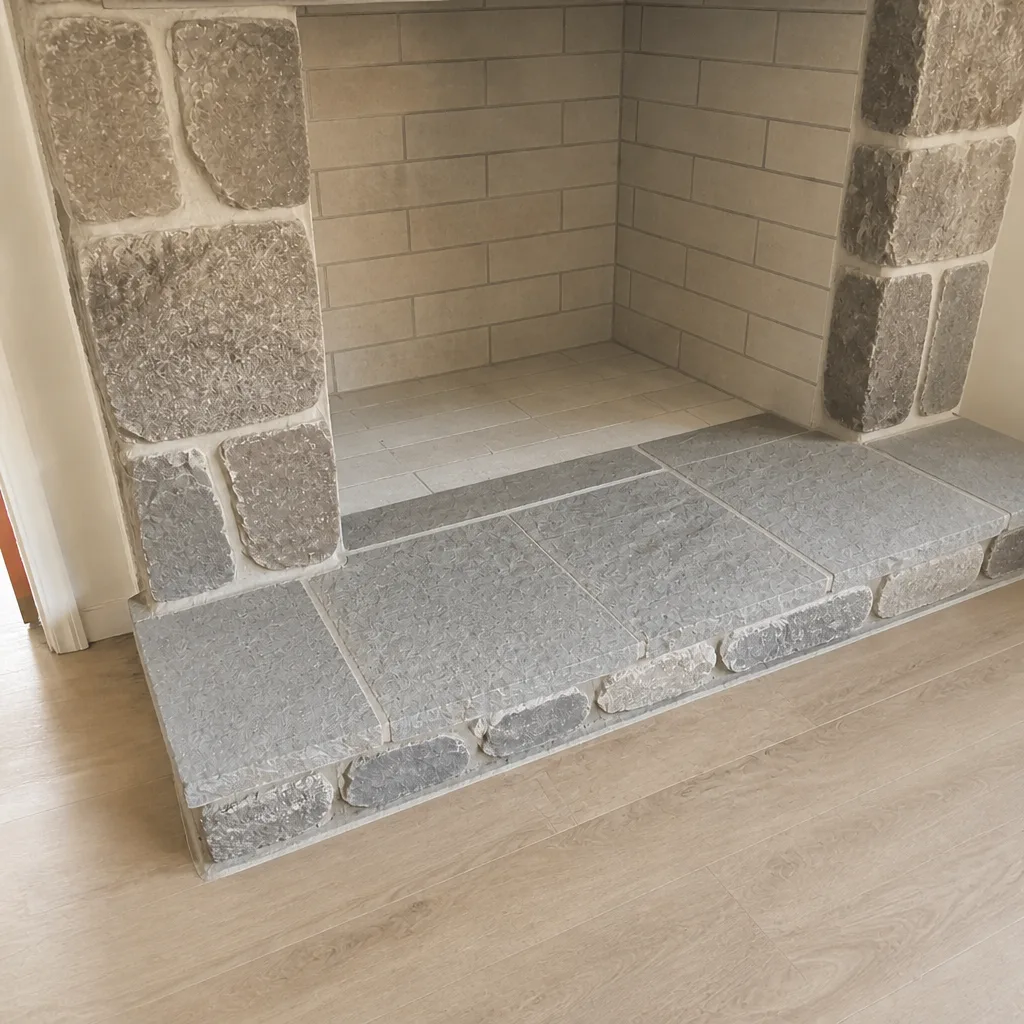
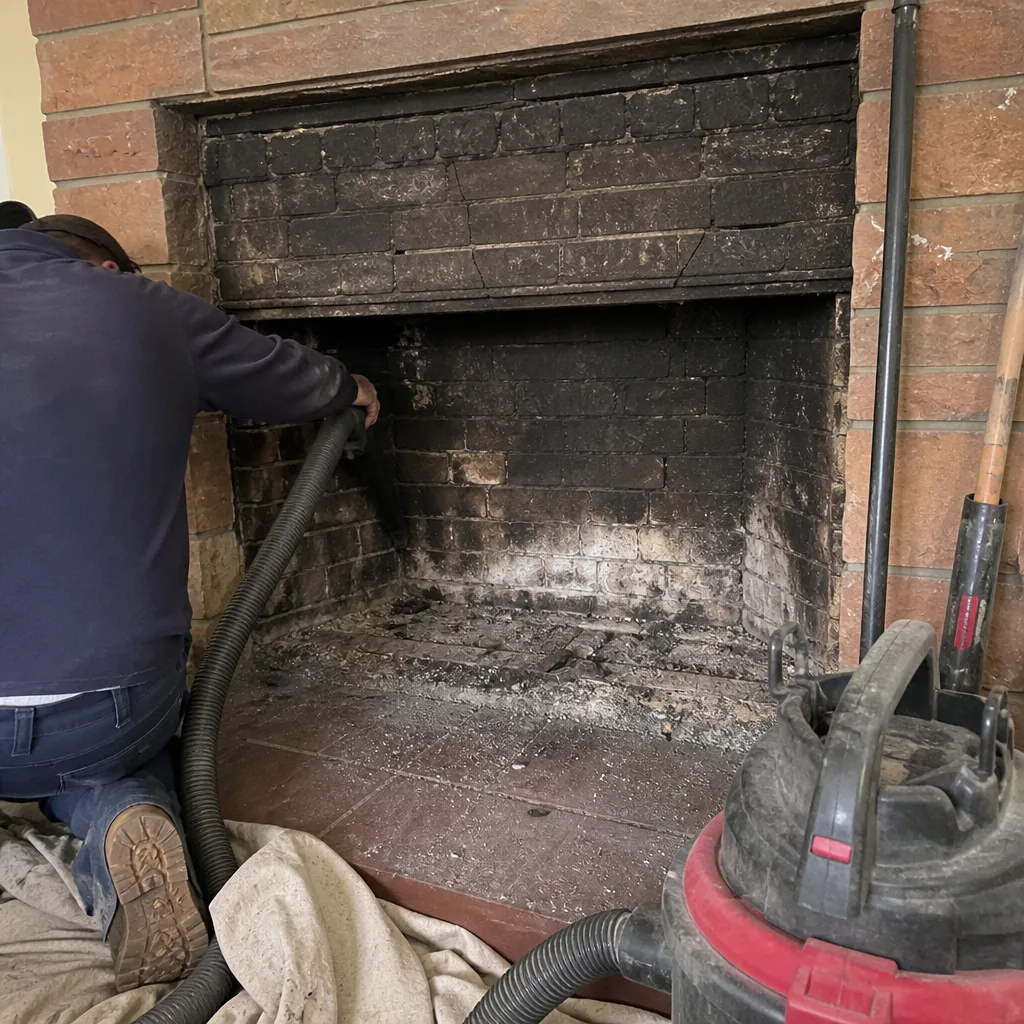
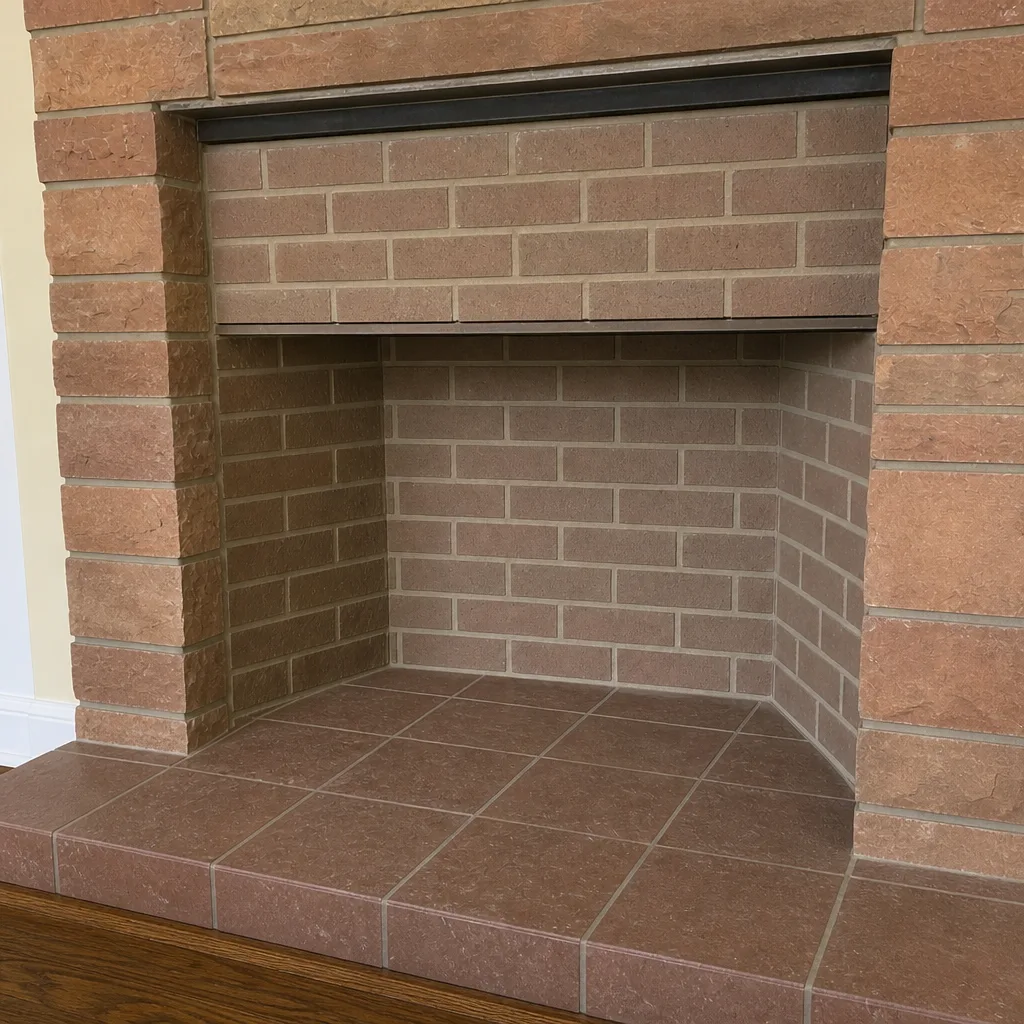
See the difference
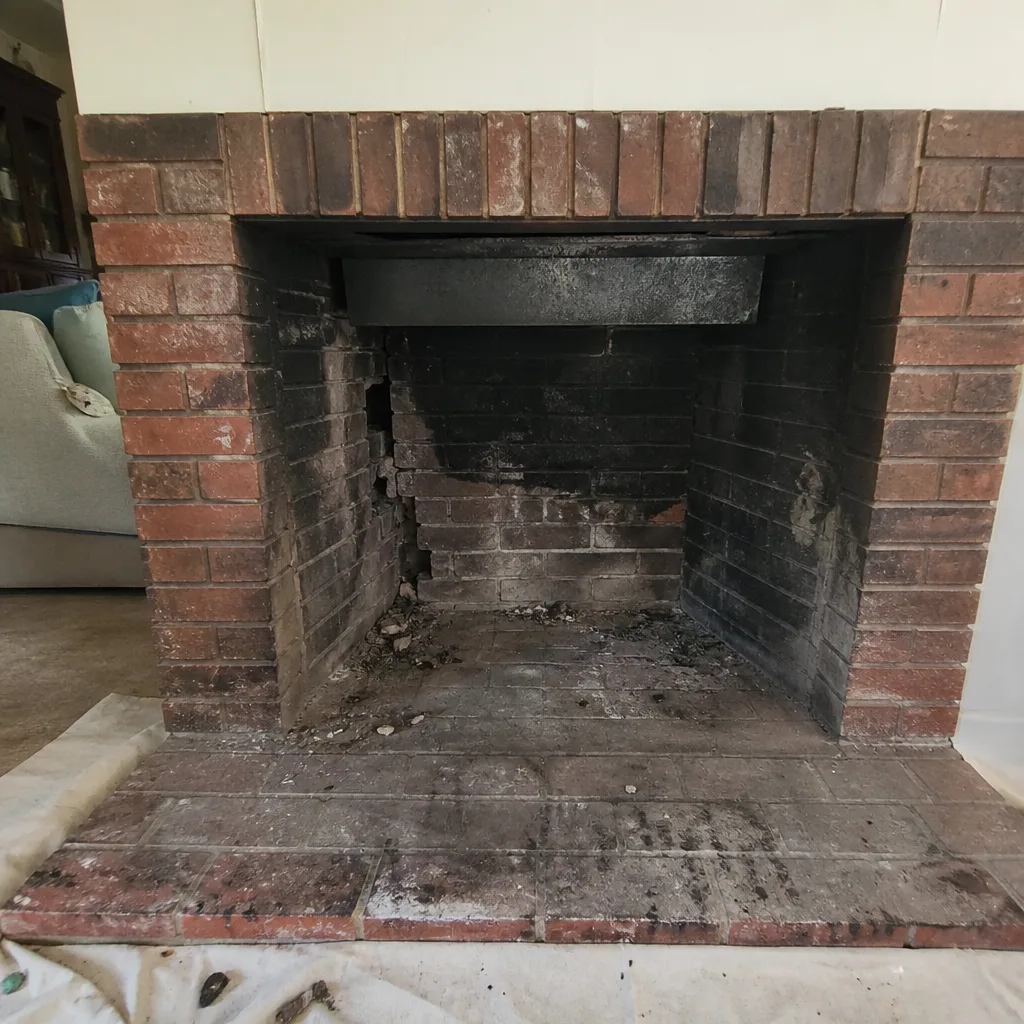 Before
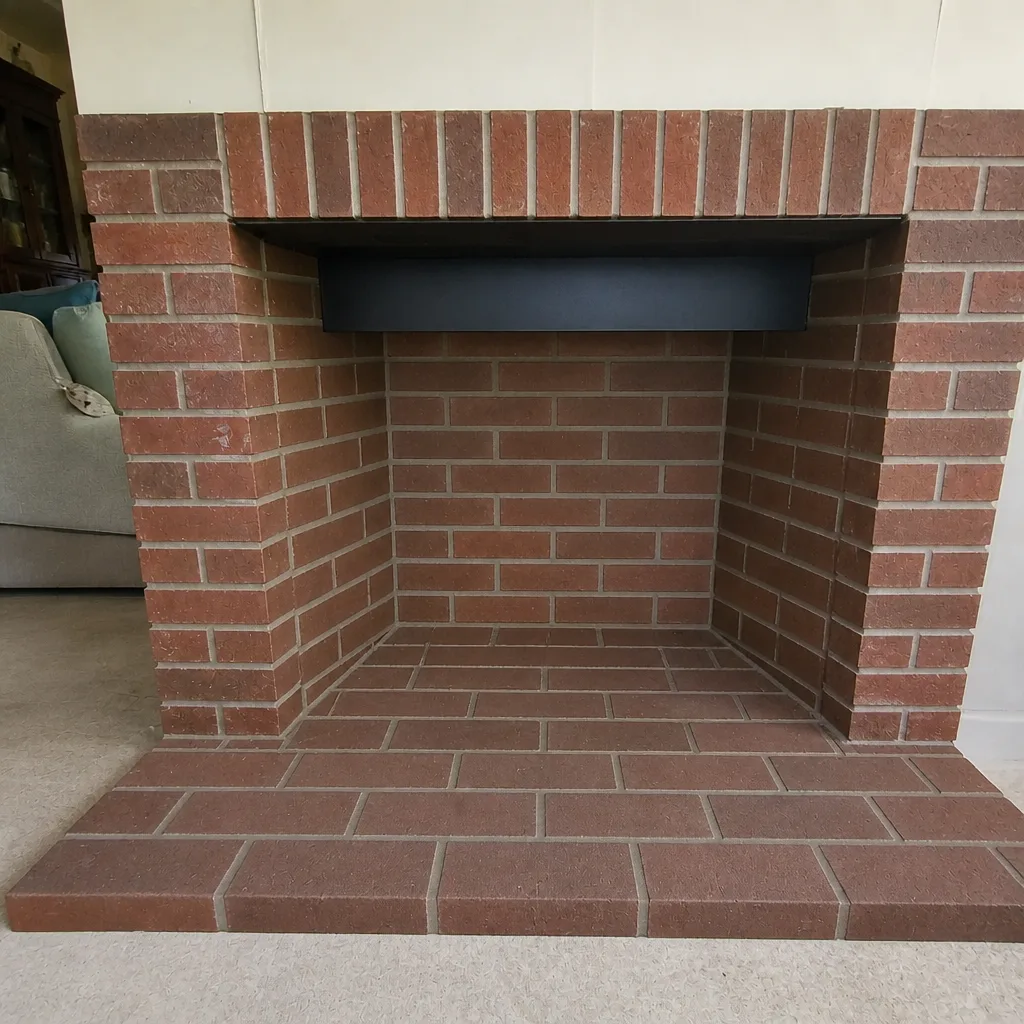 After
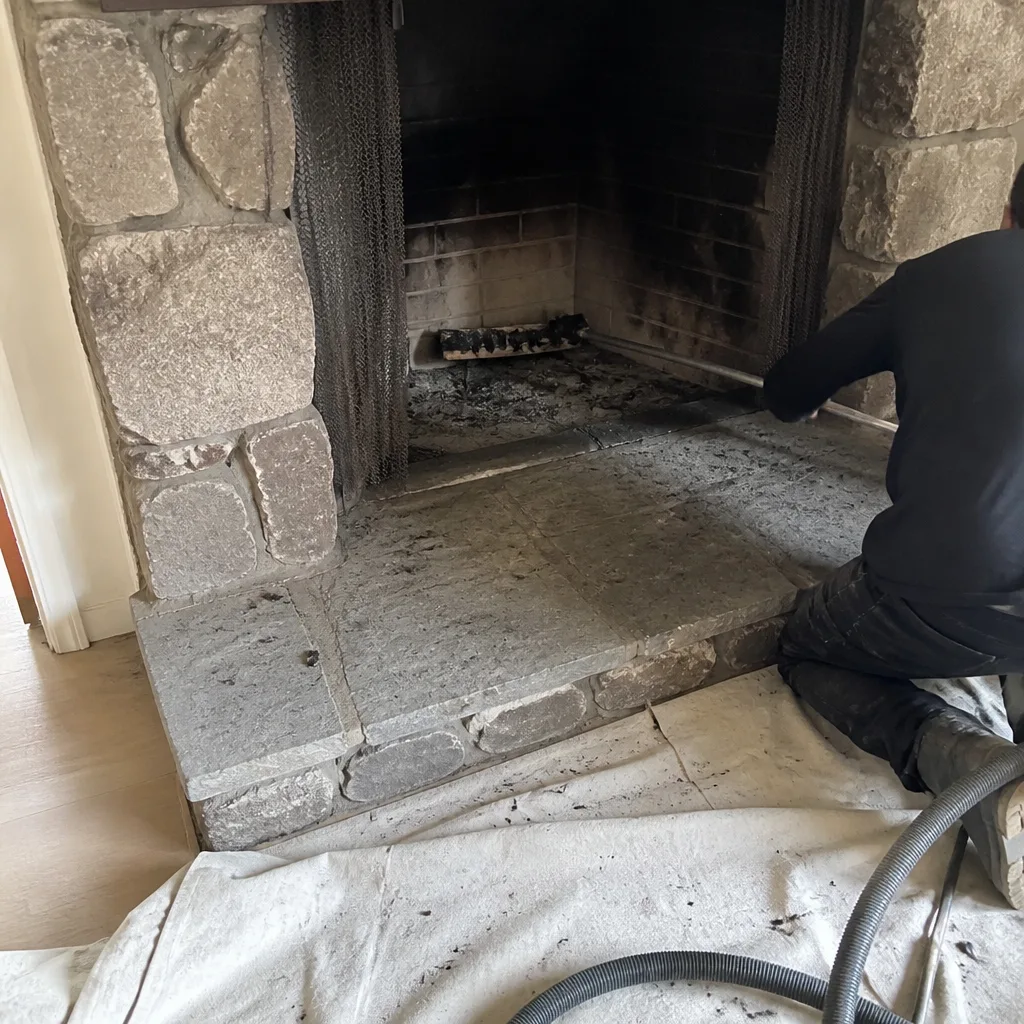 Before
 After
 Before
 After
Common Mistakes to Avoid
- Judging the bid by the price line alone. Two quotes for a crown repair can differ because one uses a professional-grade crown coating and one uses a consumer waterproofer. The cheaper material costs more to redo, so the cheaper bid is sometimes the more expensive job.
- Trusting a creosote-removal log to do a sweep’s job. Consumer logs and sprays don’t reach the whole flue and don’t soften glazed creosote at the top. A log is not a substitute for a professional chemical treatment followed by a proper sweep.
- Accepting a liner quote without a spec sheet. The liner is the highest-ticket material on a chimney job. If the quote doesn’t name the brand, the alloy, and the listed application, you’re being asked to buy a product you can’t verify.
- Skipping the inspection to save a step. A repair without a diagnosis is a guess. In Concord’s housing mix, the right material for one chimney is often the wrong one for the house next door, and only an inspection tells you which.
- Not asking who does the repair. If the inspector and the repair crew are different companies, the diagnosis and the fix can drift apart. One crew, full scope, no hand-offs keeps the recommendation honest.
- Assuming the brand doesn’t matter. The single most common mistake is not asking at all. A brand question costs nothing and tells you more about a chimney company than its website does.
- Ignoring what can safely wait. Not every finding is an emergency. A company that tells you which item is urgent and which can be scheduled later is giving you a diagnosis, not a sales pitch.
When to Call a Professional
Some chimney work is maintenance and can be scheduled. Some is a safety issue and shouldn’t wait. Call a professional if your flue hasn’t been inspected and swept after a season of wood burning; if you smell a smoky, acrid odor in the house when the fireplace isn’t in use; if you see black, glazed creosote on the flue walls or the damper; if the crown is cracked or the flashing is visibly pulling away from the roof; or if you’re buying a Concord home and don’t have a documented inspection of the chimney. Our technicians have up to experience, and we inspect before we recommend. Stallion Chimney Sweep offers free estimates in Concord, so call (833) 434-1221 and we’ll tell you what we found and show you why it matters.
Frequently Asked Questions
A professional chimney company should be using trade-supplied materials from manufacturers like HeatShield for flue resurfacing, Gelco or Famco for caps and venting, Olympia Chimney and Copperfield as wholesale suppliers, and DuraFlex for stainless liner systems. Those brands publish spec sheets and stand behind their products when installed by a qualified technician, which is what separates them from consumer hardware-store substitutes. Call (833) 434-1221 for an exact quote on your job; estimates are free.
You need a new liner when the existing flue liner is cracked, spalling, or no longer listed for the appliance it serves, and that’s something an inspection can document with photos. It’s not a judgment call you have to take on faith: ask to see the photo of the flue interior and the liner spec sheet, and ask whether a ceramic resurfacing product like HeatShield could restore the flue instead of a full reline. If the answer is a full reline with no evidence and no spec sheet, get a second look. Call (833) 434-1221 for an exact quote; estimates are free.
No. Consumer creosote logs and sprays don’t reach the upper flue and don’t soften glazed creosote the way a professional chemical treatment does. The CSIA’s position is that these products aren’t a substitute for a trained sweep physically removing the creosote after the right treatment. The stage of creosote in your flue is something an inspection can document, and that’s what decides whether a treatment is needed. Call (833) 434-1221 for an exact quote; estimates are free.
A chimney sweep in Concord is priced per job by the written estimate, and we don’t quote a number before we’ve seen the flue, because the flue decides the scope. What we can promise is that the estimate is free and the price is set in writing before any work begins. The inspection includes a camera look at the flue and a photo report so you can see what we saw. Call (833) 434-1221 for an exact quote; estimates are free.
How often depends on how much you burn and what you burn, not on a fixed calendar. The general rule is that a wood-burning chimney should be inspected and swept when there’s roughly an eighth of an inch of creosote buildup, which is a judgment an inspection makes. If you burn frequently, an annual look is reasonable; if you burn occasionally, the inspection is what tells you whether a sweep is needed now. Call (833) 434-1221 for an exact quote; estimates are free.
Creosote builds up and glazes on the flue walls, and glazed creosote is flammable, so the risk is a chimney fire. Skip it long enough and the flue liner can also deteriorate from the corrosive byproducts of combustion, which is a carbon monoxide concern even without a fire. None of that happens on a schedule you can predict from the outside; only an inspection finds it. Call (833) 434-1221 for an exact quote; estimates are free.
Yes, and it’s better when one crew does all three. At Stallion Chimney Sweep, the sweep, the inspection, and the repair are handled in-house by the same team, so the person who inspects is the person who diagnoses and the person who fixes. That eliminates the hand-off where conflicting diagnoses and unverifiable upsells creep in. Call (833) 434-1221 for an exact quote; estimates are free.
It comes down to what the inspection finds. Older Concord homes with original clay tile liners are often candidates for HeatShield ceramic resurfacing, which restores a spalling flue interior without demolition. Newer homes with factory-built fireplaces usually need a stainless liner spec’d for that appliance, such as a DuraFlex system. The same city, two different materials, and the inspection is what decides which one applies to your house. Call (833) 434-1221 for an exact quote; estimates are free.
The Bottom Line
The brand on the material matters as much as the technique, because the material is what ends up sealed inside your chimney where you’ll never see it again. A professional-grade crown coating, flashing sealant, liner, or flue resurfacing product from a manufacturer like HeatShield, Gelco, Olympia Chimney, Famco, or DuraFlex carries a spec sheet and a warranty that requires a qualified installer. A hardware-store substitute carries neither. The question that separates the two is simple: what product and what manufacturer are you using, and can I see the spec sheet? A Concord company that answers that with specifics is telling you something its website can’t. One that doesn’t is telling you something too. We inspect first, then recommend, so the photo of the flue decides the material and not the other way around.
If you’d like a straight answer about what’s on your chimney, Stallion Chimney Sweep handles chimney sweeping, inspection, and repair as one team with no hand-offs. Call (833) 434-1221 for a free estimate. We answer 24/7, with fast dispatch from 7am to 7pm, Sunday through Friday.
Written by the team at Stallion Chimney Sweep.