
Last updated November 15, 2026
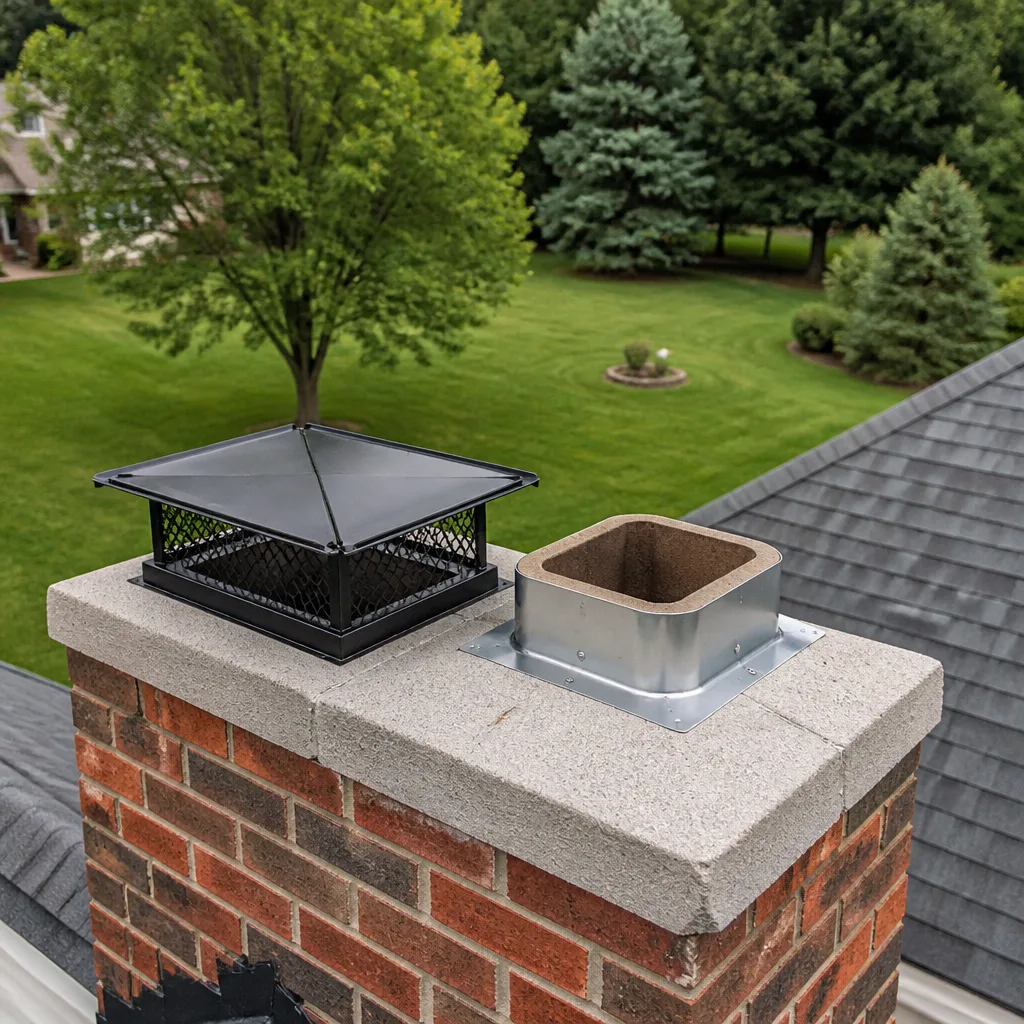 Sweep & inspection
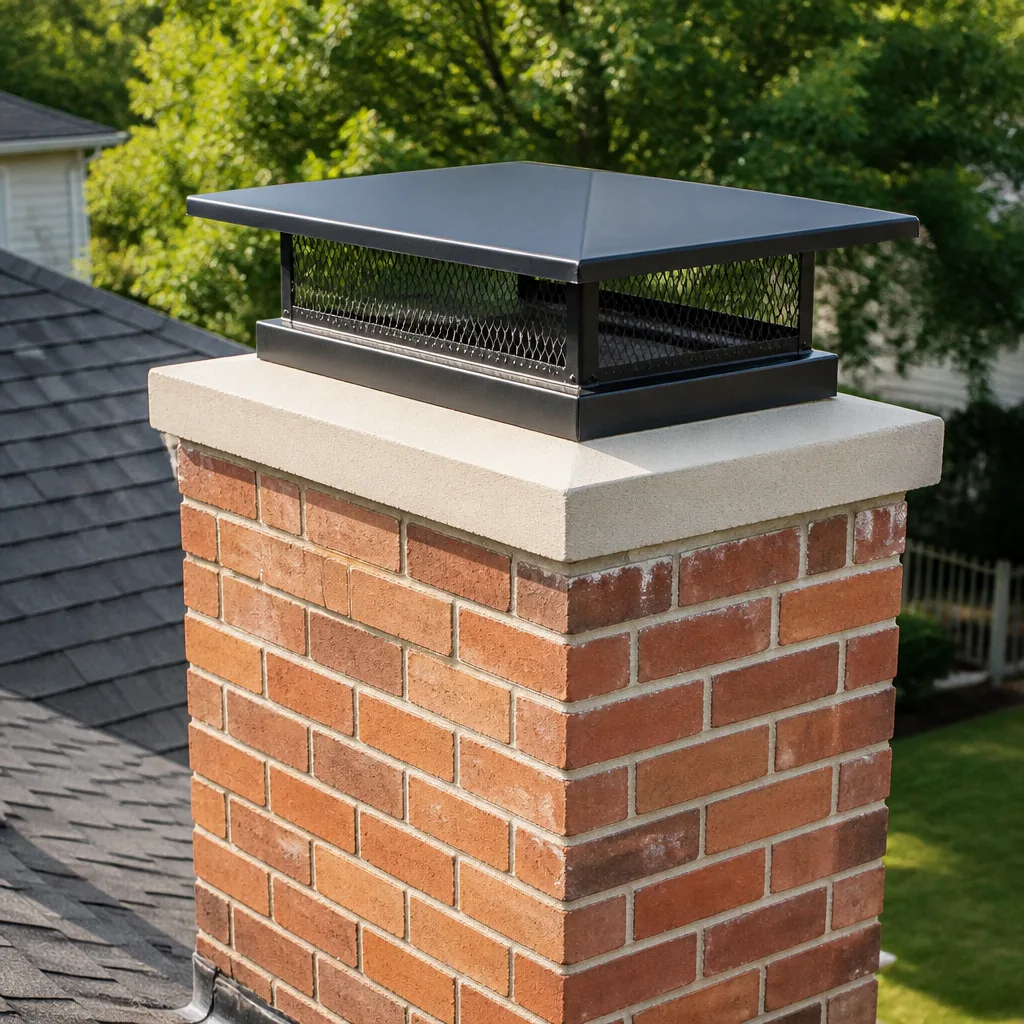 Caps & crowns
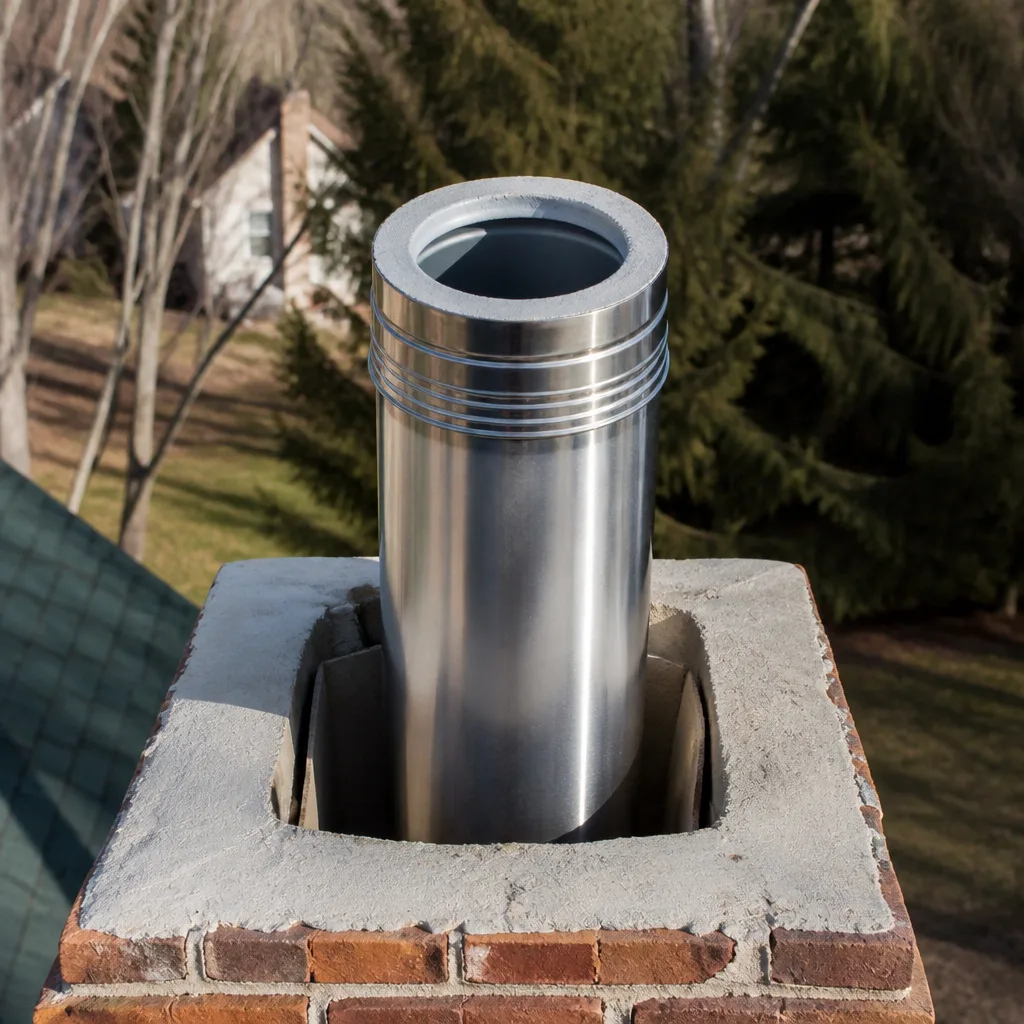 Flue relining
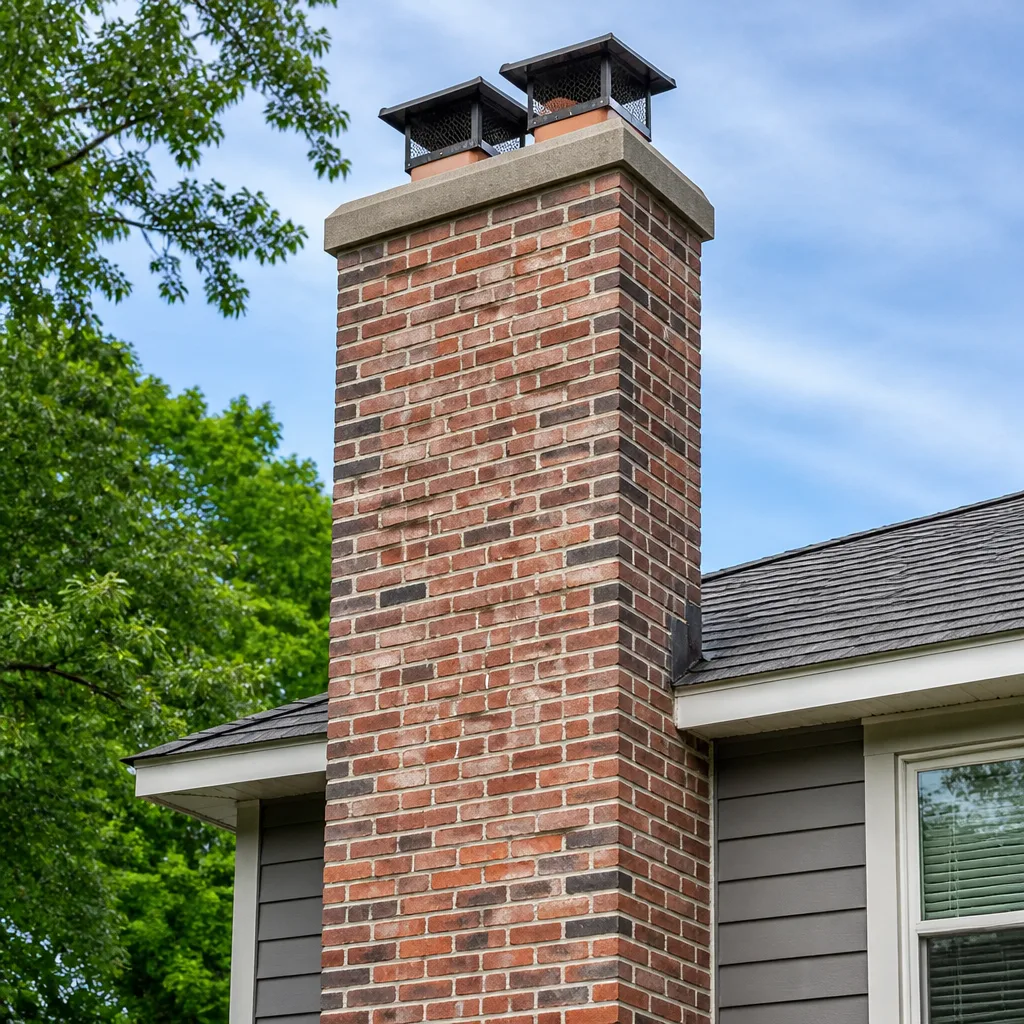 Masonry repair
 Gas fireplace service
Level 1 sweep and inspection to the NFPA 211 annual standard - flue, crown, cap, and flashing checked and photographed
Chimney sweep logs do not sweep chimneys. They loosen some creosote - which then falls where a brush and vacuum still have to collect it.
How to Hire a Chimney Cleaning Contractor in Concord: A Step-by-Step Guide
CSIA certification is the floor, not the ceiling. A technician can carry a valid credential and still leave your flue in worse shape than he found it, because certification proves he passed a test on one day, not that the liner he installs came from a supplier who sells to career professionals. In Concord, the gap between a real chimney outfit and a seasonal operator usually shows up in the details of the estimate, not the ad. This guide walks you through the exact verification steps, the insurance coverage that actually matters in California, and the red flags that show up in this market. You’ll learn how to read a written estimate line by line, what to ask about materials, and how to check a business record before you sign anything.
Quick Answer
To hire a chimney cleaning contractor in Concord, verify four things before you book: an active CSIA credential, both liability and workers’ compensation coverage, a written estimate with itemized line items, and a business record you can confirm with Contra Costa County. Ask which brand of liner, sealant, or crown coat they use, and get the answer in writing. The credential qualifies the person; the materials decide whether your flue is actually fixed.
Styles & brands we work with
- Sweep & inspection
- Caps & crowns
- Flue relining
- Masonry repair
- Gas fireplace service
Table of Contents
- Why Hiring a Chimney Contractor Is Harder Than Hiring a Plumber
- The Insurance a Chimney Contractor Must Carry in California
- How to Read a Written Chimney Estimate
- CSIA Certification: What It Proves and What It Doesn’t
- Ask What Brand They Use: The Materials Conversation
- Red Flags Unique to Concord’s Market
- How to Verify a Contractor Before You Sign
- What a Proper Chimney Cleaning Visit Looks Like
Why Hiring a Chimney Contractor Is Harder Than Hiring a Plumber
Every plumber in California works under a licensing framework the state enforces. Chimney work sits in a different place. There is no single state license that guarantees a chimney technician knows what he’s doing, which means the credential you’re looking for is voluntary, and the market fills up with people who haven’t bothered to earn it.
What that means for you is simple: the burden of proof shifts to the homeowner. You can’t assume the person on your roof has been vetted by an agency. You have to ask.
The second reason this hire is harder than a plumber is that chimney problems are invisible from the living room. A flue liner with a crack in it, a crown that’s begun to separate from the masonry, a smoke chamber coated in glaze – none of these announce themselves until the fire is already lit. The contractor has to diagnose something you cannot see and then recommend a repair you cannot easily judge. That’s a big trust ask, and it’s why so many homeowners get talked into work they didn’t need.
We’ve built our whole process around that gap. Inspect first, then recommend. Nothing gets suggested until the camera has shown us the inside of the flue and we can walk the homeowner through what the picture means. When a repair can safely wait, we say so.
If you’re in Concord and you’re starting the search from scratch, the sensible move is to hire a company that can do all three jobs – inspect, sweep, and repair – under one roof. When one crew handles diagnosis and the fix, there’s no hand-off, no competing diagnosis from a second contractor, and no finger-pointing if something goes wrong later. You can start with a chimney sweep, see how the company communicates, and decide whether to go further.
The Insurance a Chimney Contractor Must Carry in California
A chimney contractor working in California needs two separate types of coverage, and general liability alone is not enough. General liability protects your home if the crew damages something. Workers’ compensation protects you if a technician is injured on your property. A contractor carrying only the first one is leaving you exposed to the second.
Here’s why that distinction matters so much in this trade. Chimney work happens on a roof, near an open flue, and often with ladders against exterior walls. It’s physical, elevated, and the kind of job where injuries happen. If a technician without workers’ comp coverage falls while working at your home, the claim can come back to your homeowner’s policy instead of the contractor’s. That’s a financial exposure most people don’t think to check.
Ask for both certificates before the visit is booked. A legitimate contractor will send them without a fuss. Here’s what to confirm:
- General liability – ask for the certificate of insurance with your address listed, and confirm the policy is current.
- Workers’ compensation – confirm it’s active in California. In many states a one-person operation can file an exemption; ask whether that’s the case, and how the contractor handles injuries.
- Policy limits – you don’t need to be an insurance expert, but a policy with very low limits tells you something about how the business is run.
- Name on the certificate – confirm it matches the business name on your estimate. A certificate in a different name is a question worth asking.
If someone hesitates on the workers’ comp answer, that’s your cue. A professional operation answers insurance questions without a long pause. The coverage is part of the cost of doing the work properly, and it’s why a bid from a fully insured contractor will usually come in higher than a bid from someone operating without it.
How to Read a Written Chimney Estimate
A written estimate is where a quality operator and a seasonal one look most different. The good ones are specific and the bad ones are vague. Once you know which line items should always be there, the estimate almost reads itself.
Here are the line items a proper estimate in Concord should include:
- The scope of work in plain language – not “clean chimney,” but “sweep flue from the firebox, remove creosote from smoke shelf and damper area, clear the firebox.”
- Inspection results referenced – if a repair is being quoted, the estimate should name what was found and where. “Cracked crown on the rear face” is specific. “Chimney needs work” is not.
- Materials by name and brand – which liner system, which crown coat, which cap. Vague material descriptions are how you end up with a consumer-grade product on a professional job.
- Whether the estimate includes the inspection and camera report – a sweep estimate that doesn’t say whether the camera inspection is included is incomplete.
- Permits, if any are required – most cities require a permit for structural chimney work, so ask your city’s building department whether the job at your address needs one, and whether the contractor pulls it.
- A statement of what sets the final price – the written estimate sets it. The final price shouldn’t move unless the scope changes, and any change should be quoted before work continues.
The vague language to watch for: “repairs as needed,” “additional work at technician’s discretion,” and any estimate where the price is a single lump sum with no breakdown. Those phrases aren’t necessarily dishonest, but they leave the door open to a bigger number later, and they make the job hard to compare to another bid.
Also ask whether the estimate covers the camera inspection and photo report. A contractor who won’t show you the inside of your flue is asking you to trust a diagnosis you can’t verify. We won’t recommend a repair without evidence you can see for yourself.
CSIA Certification: What It Proves and What It Doesn’t
A CSIA credential tells you the technician passed a standardized test of chimney knowledge and agreed to a code of conduct. That’s real. It’s a meaningful floor. But it’s a floor, not a ceiling, because the exam doesn’t control which materials the contractor puts into your chimney after the test is over.
Here’s what the credential does verify:
- The technician has demonstrated knowledge of chimney construction, venting, and combustion appliance operation.
- The company has agreed to certain professional conduct standards.
- There’s a name and a credential number you can look up.
Here’s what it does not verify: whether the liner system they install comes from a supplier who sells to career chimney professionals, whether the crown coat they use is a proper masonry restoration product or a hardware-store sealant, and whether the cap they fit will last more than a season or two in the sun.
That’s the gap that separates two certified contractors. One builds with professional materials. The other installs whatever’s cheapest. Both passed the same test.
So the credential question gets you to a shortlist. The materials question gets you to the right contractor. Ask both. In our experience, the contractors who can name their material brands without checking a catalog are the ones who use them consistently. The ones who give a general answer usually do the same kind of work.
This is why chimney repair deserves the same scrutiny you’d give a structural contractor. A relining job is not a cleaning. It’s a permanent structural change to your chimney, and it should be built to the standard the material was designed for.
Ask What Brand They Use: The Materials Conversation
Ask every contractor you evaluate two questions. “What brand of liner do you install?” and “What do you use for a crown coat?” If the answer is vague, you’ve learned something important.
Here’s what professional-grade looks like on a real job:
Liner systems. A flexible stainless steel liner system like DuraFlex is specified by career professionals for wood-burning, gas, and oil systems. A proper reline is not a surface-level fix – it’s the flue rebuilt from the inside out. Ask whether the contractor installs a full flexible stainless system or patches cracks with a spray product.
Crown and flue repair. HeatShield is a ceramic resurfacing system used to restore cracked or deteriorating flue liners when the chimney qualifies, without full demolition. It’s a different category of work from sweeping. A contractor who can name it can restore flue interiors. A contractor who can’t probably doesn’t offer that service.
Caps and venting. Gelco and Famco caps and ventilation components are built for long-term exterior weathering. A cap is not a trivial purchase – it’s the roof of your chimney, and it’s the part exposed to sun and rain all year. Ask what brand they fit.
Now the counterintuitive part. A contractor can name all four brands and still be doing cheap work if he can’t tell you which one applies to your chimney and why. The right question isn’t “do you use these brands?” It’s “which one fits this chimney, and can you tell me why?” A real professional explains the reasoning. A sales-oriented contractor gives a price and moves on.
In our process, the answer comes out of the inspection. We look at the flue first, then name the material that fits. The materials don’t get selected before the diagnosis, because a recommendation without a diagnosis is just a guess with a price tag. If you want to see how this plays out on a specific system, our Stallion Chimney Sweep overview covers the full scope – inspection, sweep, and repair handled by one crew.
Red Flags Unique to Concord’s Market
Concord’s chimney work comes with a few market-specific dynamics worth knowing. This isn’t a place where the trade is dominated by a handful of long-established firms, and that leaves room for seasonal operators who appear when the weather cools and disappear when it warms.
Here’s what to watch for:
- Door-to-door solicitation after wind events. When a fall windstorm knocks a cap loose or drops a limb onto a crown, canvassers tend to appear in neighborhoods with the offer of “free chimney inspections.” That’s a sales channel, not a service model, and the “inspection” almost always ends with a repair recommendation you can’t verify.
- Verbal-only quotes. If the number exists only in conversation and the invoice shows up higher, you have no recourse. Every service page we publish says the same thing: the written estimate sets the final price. Insist on it.
- “One-size” pricing. A chimney cleaning isn’t a uniform product. A short, straight flue on a single-story home and a tall, offset flue on a two-story house are very different jobs. A contractor quoting the same price to every house hasn’t looked at the house.
- Cash-only payment requests. Legitimate contractors take standard payment methods and issue receipts. A request for cash, with no paper trail, is a business problem you don’t want.
- Pressure to sign on the day of the visit. A real quote doesn’t expire in an hour. Some jobs can safely wait; some can’t; a contractor who tells you everything is urgent is telling you something about his sales process.
Local businesses in Concord take repeat customers seriously, because there aren’t enough of us to burn through them. A contractor who treats a community like a route to drive into and out of has already told you what to expect from the follow-up.
How to Verify a Contractor Before You Sign
You can confirm a contractor’s business record before the visit is booked. It takes a few minutes, and it tells you whether the business is real, current, and accountable.
- Check the Contra Costa County business registry. Look up the business name and see that it matches the name on the estimate, that the record is active, and that the address listed is legitimate.
- Confirm the business name and permit history. If the business lists a contractor registration or required permit filings, verify them. A business that appears under one name in a directory and another on the estimate is a mismatch worth asking about.
- Look up the CSIA credential. If the contractor claims certification, look it up by name and credential number. This takes a minute and is the simplest verification available.
- Ask for the insurance certificates. Both liability and workers’ comp, with your address listed. If they don’t arrive promptly, the answer is your answer.
- Check for a physical business presence. A written estimate, an office contact, and a business record you can verify are the basics. You don’t need a showroom; you do need a paper trail.
- Read the recent work record. Ask what kind of work the contractor has been doing recently – sweep-only, repairs, relining – and whether that scope matches your job. Materials and scope experience should line up.
For a homeowner in Concord making a decision on the phone, this is the checklist. It takes under ten minutes, and it’s the single most useful thing you can do before letting someone onto your roof. Our Concord page lays out how we handle these questions on our side, and it’s the same standard we’d apply if we were hiring a contractor ourselves.
What a Proper Chimney Cleaning Visit Looks Like
A real chimney cleaning visit is a structured job, and knowing the steps tells you whether the crew you’ve hired is doing the work or just running a brush up the flue and heading for the next address.
Here’s what a proper visit includes:
- Setup and protection. Drop cloths around the firebox, a dust barrier, and a vacuum rated for fine creosote and soot. If a crew starts without setting up, ask them to.
- Inspection before cleaning. A camera and visual inspection before the brush goes in. We look first because a deteriorated flue can be damaged by brushing, and we need the baseline before the flue is cleaned.
- The sweep. A proper sweep removes creosote from the flue, smoke chamber, smoke shelf, and damper area, and sweeps the firebox proper.
- Checking the cap and crown. These are the parts exposed to weather year-round. A cap that’s been sitting in sun and rain can be failing without any visible sign from the ground.
- A post-clean inspection and photo report. A camera pass after the sweep, with photos of what we found. The photos are what let you verify a recommendation, and they’re worth insisting on.
- The written findings. The scope, the condition of the flue, and the recommended next steps if any – in writing, so the diagnosis is on record.
Safety deserves a direct note here. The creosote that builds up in a wood-burning flue is flammable, and a chimney fire is a real risk in a flue that hasn’t been swept. Carbon monoxide is the other concern, particularly with gas appliances and oil-fired systems that vent through a chimney. Neither concern is a scare tactic; both are the reason the trade exists. A trained professional handles the dangerous parts. Avoid cleaning or repairing the inside of a flue yourself, and avoid doing height work on your own roof; that’s a job for someone with the equipment and the training.
Our technicians have up to experience, and we handle the inspection, sweep, and repair work as one crew. No hand-offs. If the camera shows something that needs a fix, the same team that found it does the work, and the materials are the ones we’d stand behind on our own homes.
Common Mistakes to Avoid
- Hiring on price alone. The cheapest bid in Concord usually reflects a contractor who skipped the inspection and doesn’t carry workers’ comp. Two sentences in your homeowner’s policy later, that savings is gone.
- Accepting a verbal quote. A verbal number is a conversation, not a contract. Get it in writing with line items, and make the written estimate the price.
- Not asking about materials. Two certified contractors can produce wildly different results on the same job. Ask which brand of liner and crown coat they use, and write down the answer.
- Skipping the camera inspection. A recommendation you can’t verify is a recommendation you can’t judge. Ask for the photos and the camera report.
- Ignoring the cap and crown. These are the most weather-exposed parts of the chimney. A cracked crown or a failing cap lets water in, and the damage happens quietly.
- Choosing a contractor who only cleans. If your chimney needs repair after the sweep, a cleaning-only outfit has to hand you off. Choose a company that can diagnose and fix, so there’s one accountable party for the whole job.
- Letting an unvetted contractor onto your roof. Check the business registry and the insurance certificates first. This is a small step that catches most of the problems.
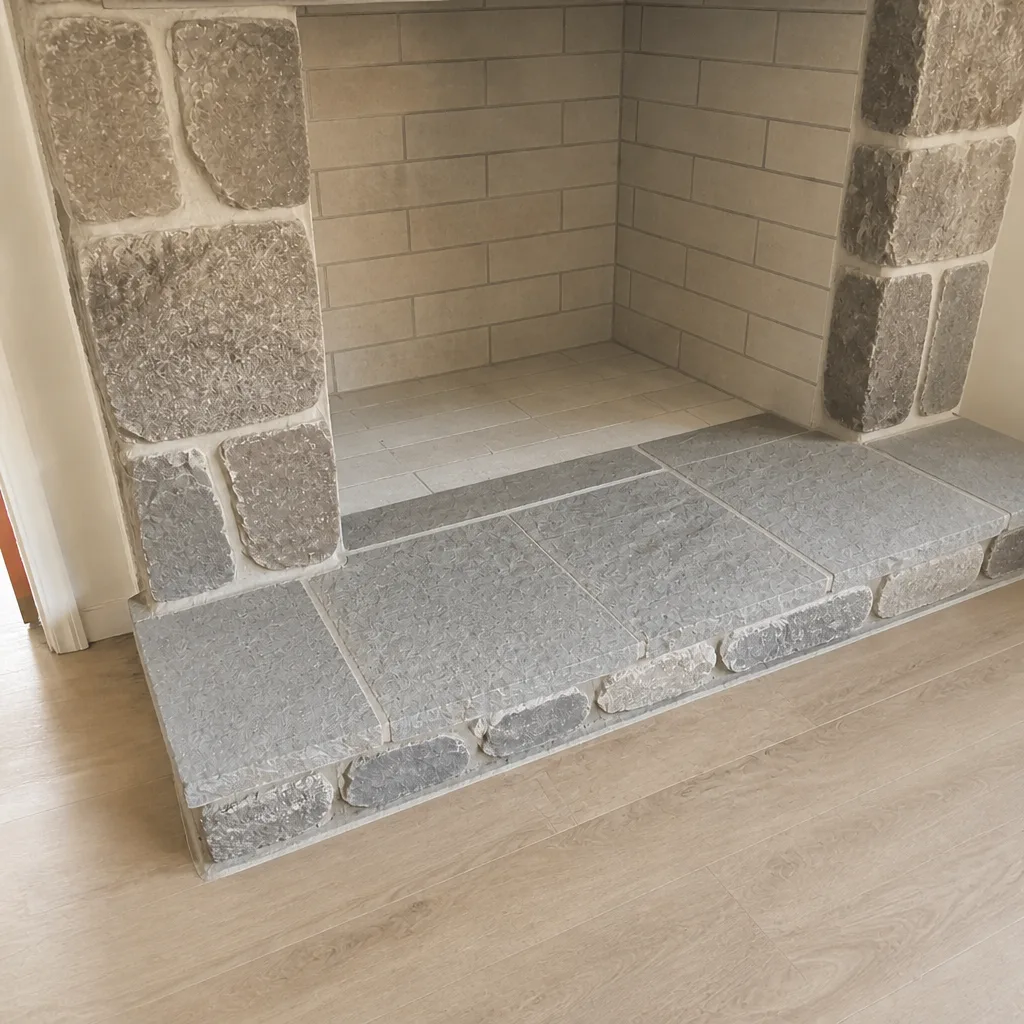
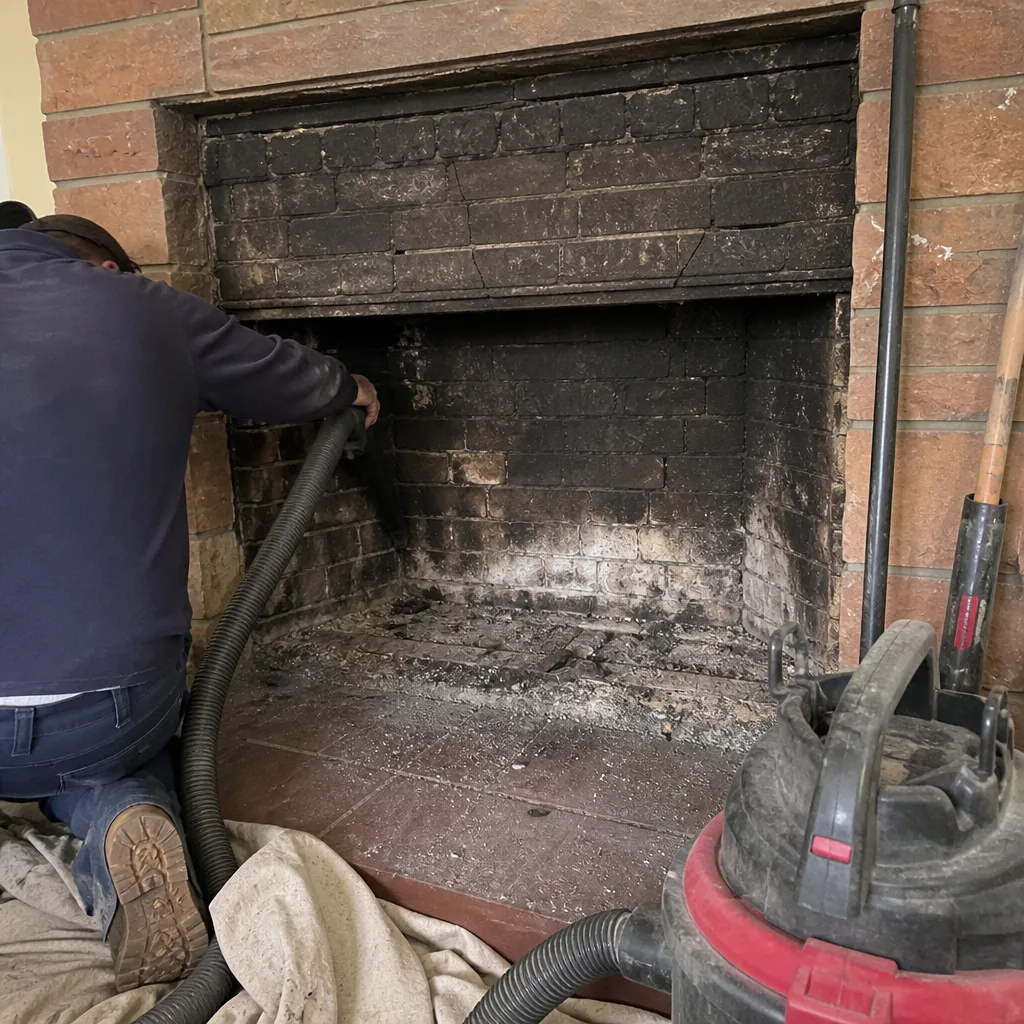
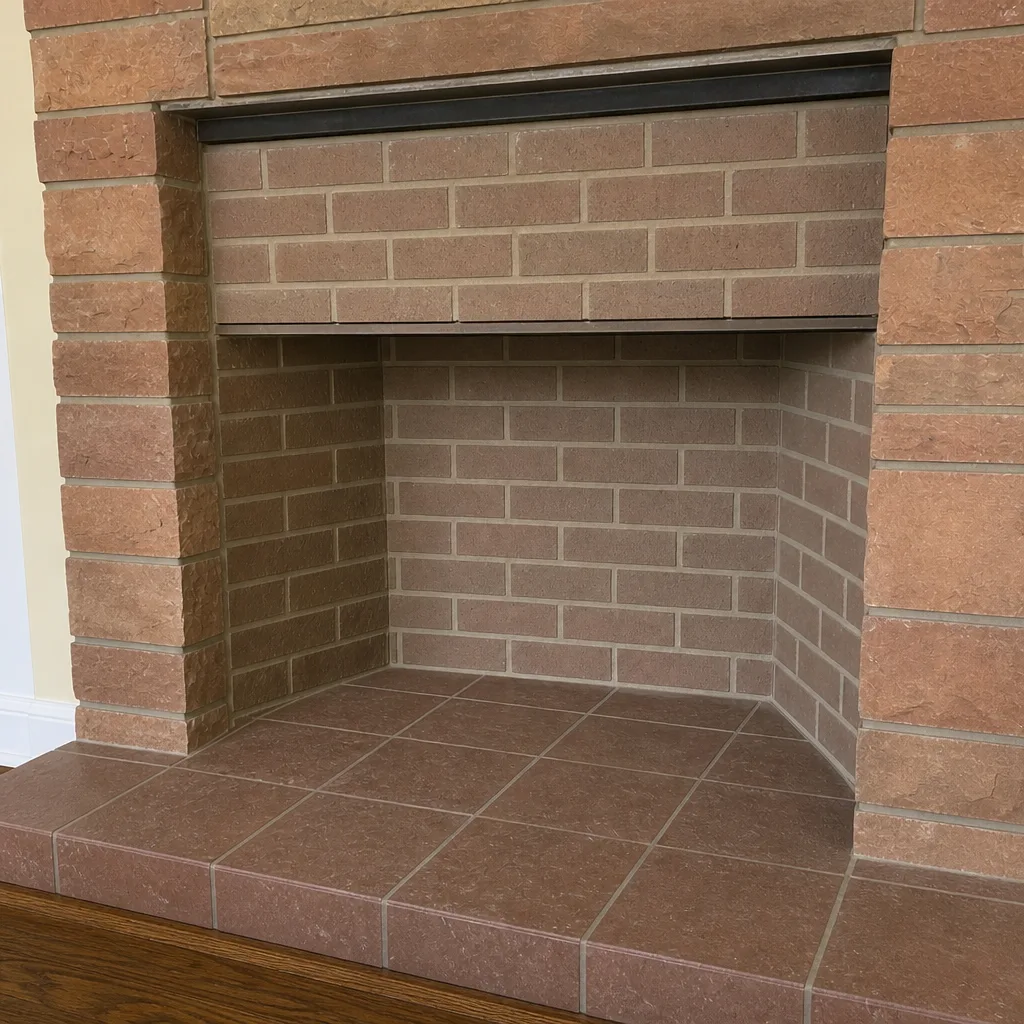
See the difference
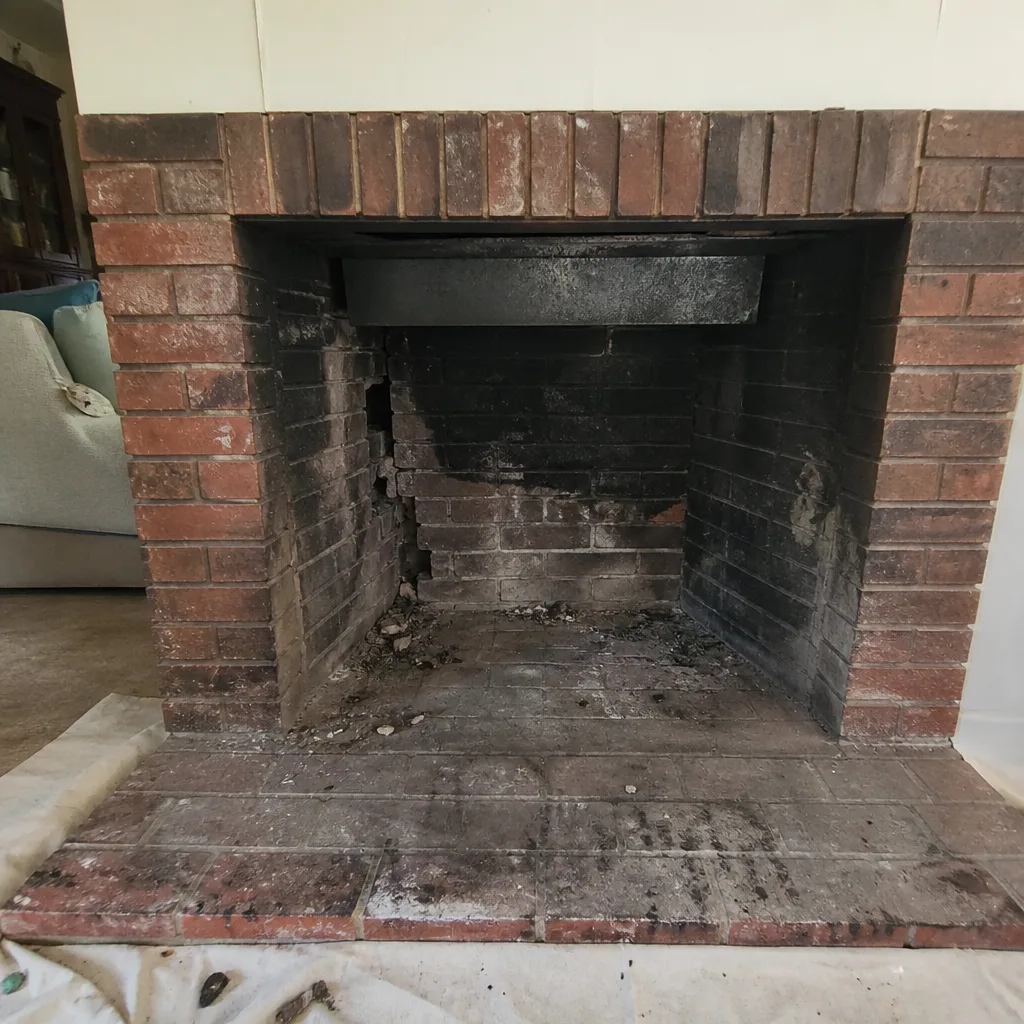 Before
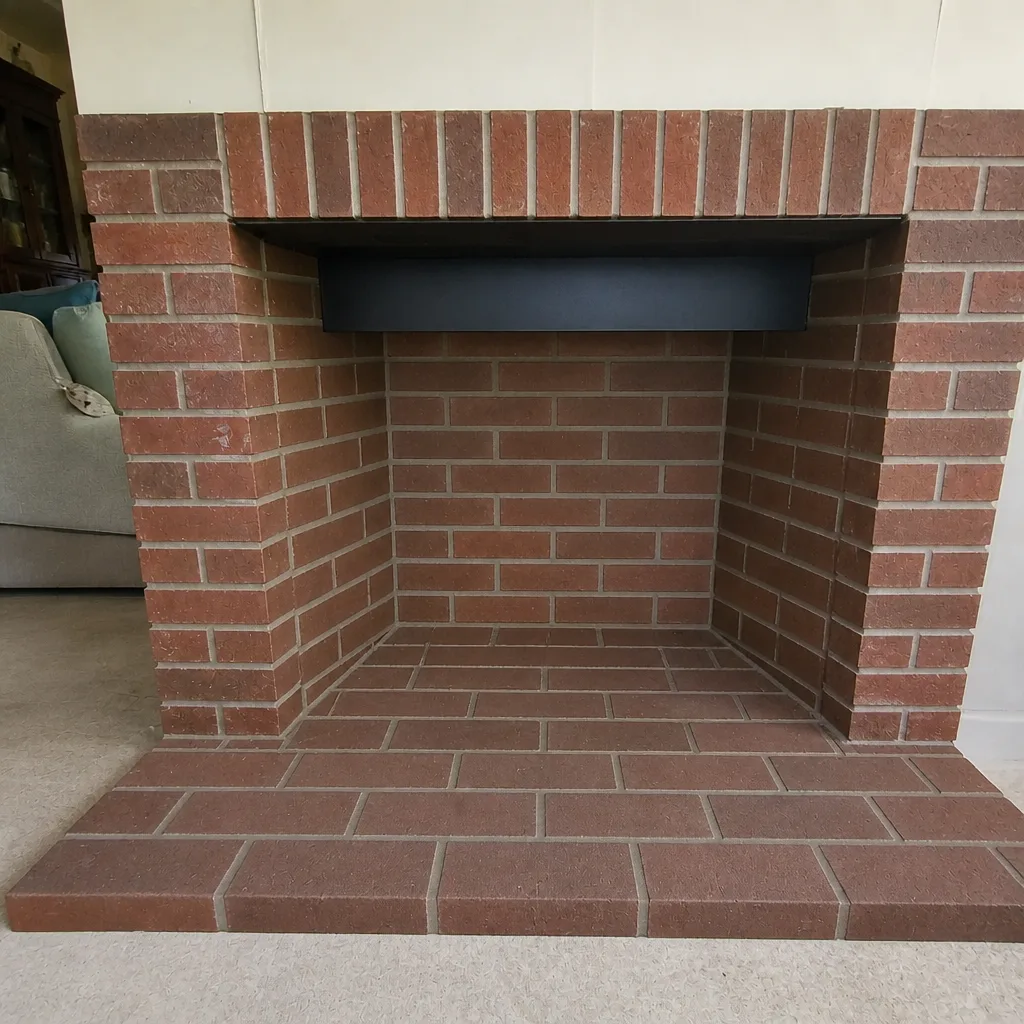 After
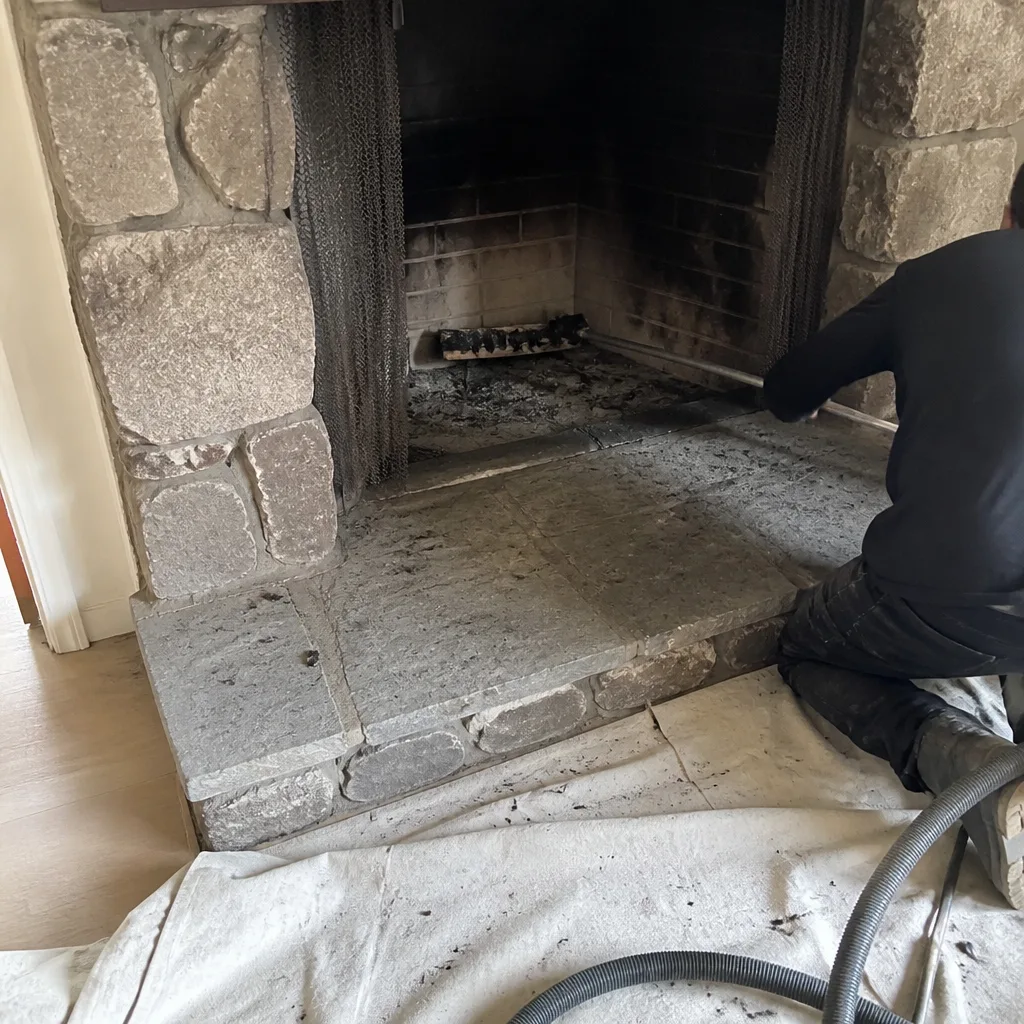 Before
 After
 Before
 After
When to Call a Professional
Many chimney jobs can wait a few weeks. A few cannot. Call a professional if you smell a strong creosote odor from the firebox when the damper is closed, if smoke backs into the room when a fire is lit, if you see black or brown staining on the chimney exterior or ceiling adjacent to the flue, or if the firebox doesn’t draw properly. Those are signs of a blocked or compromised flue, and they should be checked rather than run through another burn season.
On the maintenance side, if you’ve used your fireplace regularly, it’s time for a professional sweep. And if it’s been a while since anyone looked at your chimney, a camera inspection tells you whether the flue is in good enough shape to burn safely. That’s the honest first step, and it’s the one we start with every time.
Stallion Chimney Sweep offers free estimates in Concord – call (833) 434-1221.
Frequently Asked Questions
A standard chimney sweep in Concord is typically quoted in the low-to-mid hundreds of dollars, and the exact price depends on the flue configuration, the amount of creosote, and whether the cap and crown need attention. The written estimate sets the final price. Call (833) 434-1221 for an exact quote – estimates are free.
You need a new liner only if the inspection shows the existing one is cracked, deteriorated beyond repair, or not correctly sized for the appliance. A camera inspection and photo report show you exactly what’s wrong, and many flues that look hopeless from the outside can be restored with ceramic resurfacing rather than a full reline. Nothing gets recommended without camera evidence you can see for yourself. Call (833) 434-1221 for an exact quote – estimates are free.
A chimney should be swept at least once a year if you burn wood regularly, and more often if you burn frequently or notice buildup on the flue walls. Annual inspection is the baseline; the sweep frequency depends on how much you burn. Call (833) 434-1221 to get on the schedule – estimates are free.
Creosote builds up in the flue, and creosote is flammable. The risk of a chimney fire rises with the accumulation, and a restricted or blocked flue can also send carbon monoxide into the home instead of up the chimney. Those are the reasons the sweep exists. If it’s been a while, book an inspection before the next burn season. Call (833) 434-1221 for an exact quote – estimates are free.
CSIA certification is a meaningful floor, not a ceiling. It proves the technician passed a standardized test of chimney knowledge, but it doesn’t control the brand of liner or crown coat they use on your job. Ask about materials in addition to the credential. Call (833) 434-1221 for an exact quote – estimates are free.
A chimney contractor in Concord should carry both general liability and workers’ compensation. General liability covers damage to your home; workers’ comp covers injuries to the technician. A contractor with liability only is leaving you exposed if someone is hurt on your property. Ask for both certificates before booking. Call (833) 434-1221 for an exact quote – estimates are free.
The Bottom Line
Hiring a chimney professional in Concord comes down to four checks: verify the CSIA credential, confirm both liability and workers’ comp insurance, demand a written estimate with itemized line items and named materials, and verify the business record with Contra Costa County before you sign. The credential qualifies the person. The materials decide whether your flue is actually fixed. The estimate decides whether you can compare one bid to another. And the business record tells you whether the company is real. Inspect first, then recommend – and if the recommendation doesn’t come with camera evidence you can see, keep looking. Our team handles inspection, sweep, and repair as one crew, using professional-grade materials from brands career professionals specify, and we tell you what we found and why it matters before we quote anything.
Call (833) 434-1221 for a free estimate. We answer 24/7. Fast dispatch from 7am to 7pm, Sunday through Friday.
Written by the team at Stallion Chimney Sweep.